
Drug Interactions: What They Are, Why They Matter, and How to Stay Safe
When you take more than one medication, your body doesn’t always treat them like separate guests—it sees them as guests fighting over the same space. This is what we call a drug interaction, a reaction between two or more drugs that changes how they work in your body. Also known as medication interaction, it’s not just about pills clashing—it’s about how your liver, kidneys, and digestive system handle them together. A simple combo like a blood thinner and an antibiotic can turn from harmless to life-threatening if you don’t know the rules.
These interactions don’t happen randomly. They’re often tied to how your body processes drugs. For example, if you have liver disease, a condition that reduces your liver’s ability to break down medications, even normal doses of painkillers or statins can build up to toxic levels. Or if your kidneys, the organs that filter drugs out of your blood aren’t working well, drugs like apixaban or trimethoprim can stay in your system too long, raising your risk of bleeding or dangerously high potassium. These aren’t rare edge cases—they show up in real patients every day, and the data is clear: over half of adults over 65 take five or more meds, making interactions not just possible, but likely.
Some interactions are hidden in plain sight. A protein shake in the morning might block your thyroid medicine. Ibuprofen might make your heart failure worse. Even something as simple as grapefruit juice can mess with cholesterol drugs. The problem isn’t that you’re doing anything wrong—it’s that most people aren’t told how to watch for these traps. You don’t need to memorize every drug on the market. You just need to know the big red flags: changes in energy, dizziness, swelling, irregular heartbeat, or unexplained bruising. These aren’t just side effects—they’re warning signs your body is struggling with a drug clash.
What you’ll find in the posts below isn’t a list of every possible combo—it’s a practical guide to the most common and dangerous ones. From how DOACs behave in kidney disease to why SGLT2 inhibitors cause dehydration, from how liver function scores change dosing to why calcium can block your antibiotics, these aren’t theory pieces. They’re real-world stories from patients and doctors who’ve seen the fallout—and figured out how to avoid it. You won’t find fluff. You’ll find clear rules, specific timing tips, and the exact red flags to watch for. Because when it comes to your meds, knowing what to ask is just as important as knowing what to take.

Carbamazepine Generics: Enzyme Induction and Drug Interactions Explained
- Feb, 24 2026
- 8
Carbamazepine generics can be dangerous due to enzyme induction and narrow therapeutic range. Learn why switching brands may cause seizures or toxicity, and how to protect yourself with blood tests and consistent prescribing.
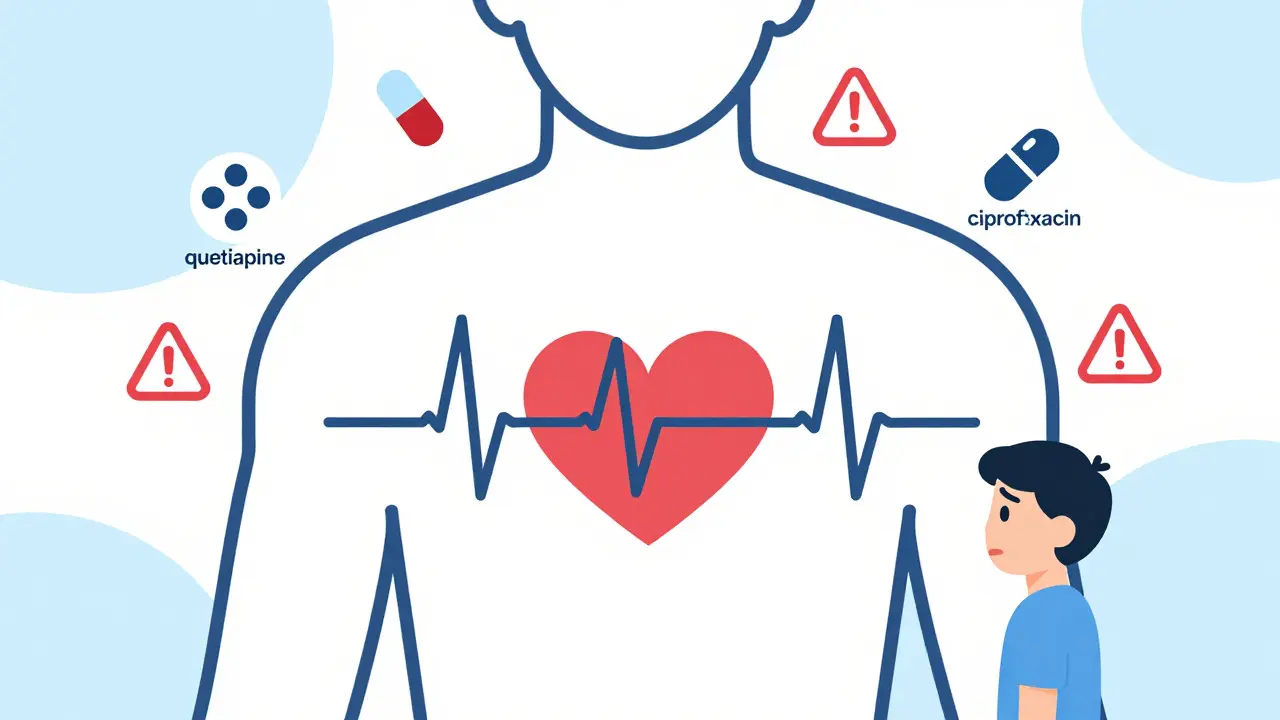
Antipsychotics and QT-Prolonging Drugs: What You Need to Know About Heart Risks
- Feb, 17 2026
- 14
Combining antipsychotics with other QT-prolonging drugs can dangerously stretch the heart's electrical cycle, increasing the risk of life-threatening arrhythmias. Learn which medications are safest, who's at highest risk, and how to prevent sudden cardiac events.
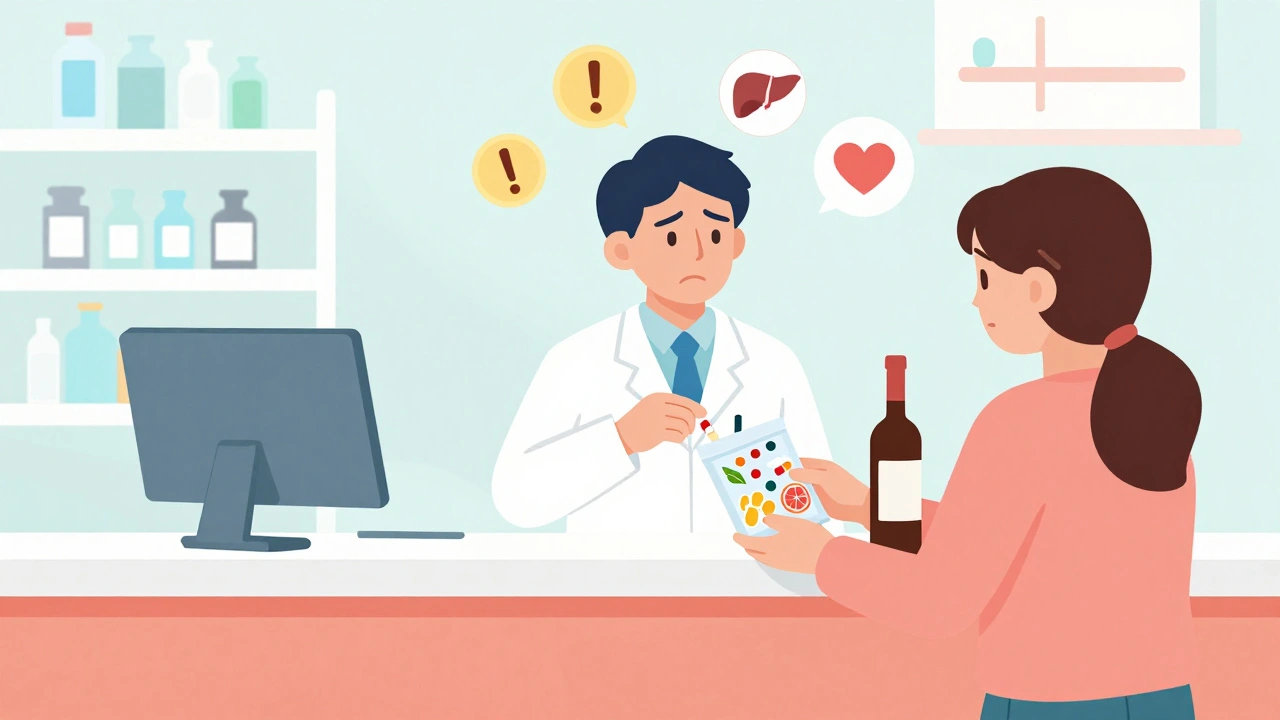
Drug Interactions Discovered Post-Market: What It Means for Your Safety
- Dec, 3 2025
- 14
Many dangerous drug interactions aren't found until after millions take the medicine. Learn how post-market surveillance catches hidden risks, why clinical trials miss them, and what you can do to stay safe.

Drug-Disease Interactions: How Your Health Conditions Can Change How Medicines Work
- Dec, 1 2025
- 11
Drug-disease interactions occur when a medication for one health condition worsens another. These hidden risks affect millions, especially those with multiple chronic illnesses. Learn how to spot them and protect yourself.
Categories
- Medication Information (122)
- Health and Wellness (52)
- Women's Health (7)
- Mental Health (5)
- Support Resources (5)
- Supplements (5)
- Pharmacy Reviews (5)
- Dermatology (4)
- Nutrition (3)
- Fitness and Wellness (3)
Archives
- April 2026 (1)
- March 2026 (10)
- February 2026 (12)
- January 2026 (27)
- December 2025 (30)
- November 2025 (24)
- October 2025 (29)
- September 2025 (14)
- August 2025 (2)
- July 2025 (7)
- June 2025 (2)
- May 2025 (3)
- online pharmacy
- dietary supplement
- medication safety
- health benefits
- side effects
- generic drugs
- drug interactions
- treatment
- wellness
- optimal health
- diabetes management
- safe medication purchase
- online pharmacy Australia
- brand name drugs
- authorized generics
- generic medications
- medication side effects
- link
- women's health
- dietary supplements