
Pharmacovigilance: How Medication Safety Is Monitored and Why It Matters
When you take a pill, you trust it will help—not hurt. That trust isn’t accidental. It’s built by pharmacovigilance, the science and activities focused on detecting, assessing, understanding, and preventing adverse effects of medicines. Also known as drug safety monitoring, it’s the invisible system that watches for hidden dangers after a drug hits the market. No drug is perfect. Even the safest ones can cause unexpected reactions in certain people, especially when mixed with other meds or used by those with liver or kidney problems.
This is where adverse drug reactions, harmful and unintended responses to medications at normal doses come into play. Think of trimethoprim raising potassium levels, or SGLT2 inhibitors causing dehydration. These aren’t rare flukes—they’re patterns caught by pharmacovigilance systems. Doctors report symptoms, patients speak up, and databases track trends. When enough cases point to a risk, like NSAIDs worsening heart failure or aminoglycosides damaging kidneys, warnings get issued. That’s how you hear about dose adjustments for DOACs in kidney disease or why you shouldn’t take calcium with thyroid meds. It’s not guesswork. It’s data-driven safety.
medication monitoring, the ongoing process of observing how drugs affect individuals over time is what turns theory into real-world protection. It’s why ECGs are checked before azithromycin, why liver function scores guide dosing in cirrhosis, and why you’re told to store your prescription leaflets. Pharmacovigilance doesn’t stop at approval—it follows you from the pharmacy to your kitchen table. It’s why a generic drug’s bioequivalence matters, why Paragraph IV patent challenges lower prices without sacrificing safety, and why taking corticosteroids too long can trigger adrenal crisis if you quit cold turkey.
Every post below comes from real patient experiences and clinical data. You’ll find stories about how drug-disease interactions caught people off guard, how dosing errors with kids’ medicine were avoided, and how side effects like dizziness or hyperkalemia were spotted early. This isn’t theory. It’s what happens when safety systems work—and what happens when they don’t. What you read here could be the difference between a minor tweak and a hospital visit.
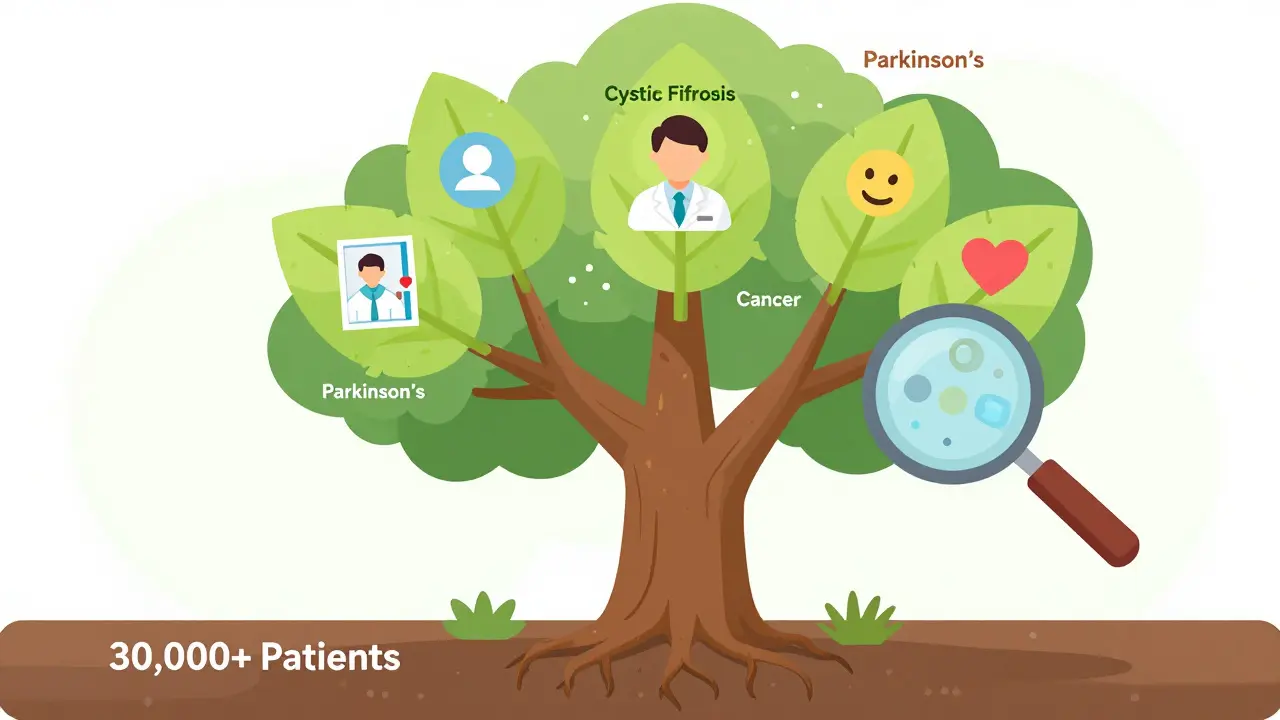
Real-World Evidence Sources for Drug Safety: How Registries and Claims Data Keep Medications Safe
- Feb, 2 2026
- 13
Registries and claims data are key sources of real-world evidence used to monitor drug safety after approval. They help detect rare side effects, track long-term outcomes, and support regulatory decisions with data from millions of patients.
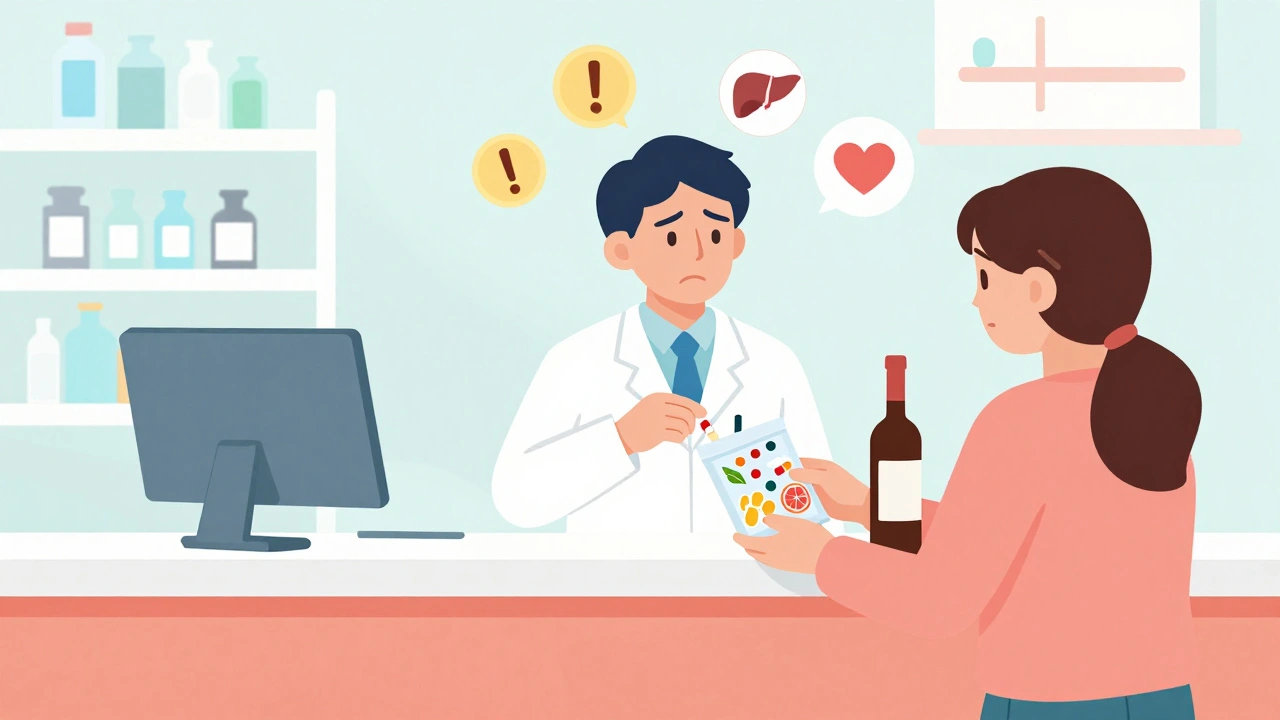
Drug Interactions Discovered Post-Market: What It Means for Your Safety
- Dec, 3 2025
- 14
Many dangerous drug interactions aren't found until after millions take the medicine. Learn how post-market surveillance catches hidden risks, why clinical trials miss them, and what you can do to stay safe.
Categories
- Medication Information (122)
- Health and Wellness (52)
- Women's Health (7)
- Mental Health (5)
- Support Resources (5)
- Supplements (5)
- Pharmacy Reviews (5)
- Dermatology (4)
- Nutrition (3)
- Fitness and Wellness (3)
Archives
- April 2026 (1)
- March 2026 (10)
- February 2026 (12)
- January 2026 (27)
- December 2025 (30)
- November 2025 (24)
- October 2025 (29)
- September 2025 (14)
- August 2025 (2)
- July 2025 (7)
- June 2025 (2)
- May 2025 (3)
- online pharmacy
- dietary supplement
- medication safety
- health benefits
- side effects
- generic drugs
- drug interactions
- treatment
- wellness
- optimal health
- diabetes management
- safe medication purchase
- online pharmacy Australia
- brand name drugs
- authorized generics
- generic medications
- medication side effects
- link
- women's health
- dietary supplements