
Rupture Risk: What It Means and How Medications Affect It
When doctors talk about rupture risk, the chance that a weakened blood vessel, organ, or tissue will burst. Also known as tissue failure, it's not something that happens out of nowhere—it's often the end result of long-term stress, inflammation, or drug effects. Think of it like an overstretched rubber band. Over time, pressure, poor blood flow, or certain medications can make it more likely to snap.
This isn’t just about aneurysms. Rupture risk shows up in many places: a weakened artery wall, a damaged heart valve, even a torn tendon from long-term steroid use. cardiovascular health, the overall condition of your heart and blood vessels plays a huge role. If your arteries are clogged or inflamed, the walls get thinner. That’s why statin therapy, a common treatment for high cholesterol is a double-edged sword. While it reduces plaque buildup, some people on high doses report muscle weakness or even rare cases of tendon rupture. And then there’s medication side effects, unintended harm caused by drugs meant to help. NSAIDs like ibuprofen? They can worsen fluid retention in heart failure, increasing pressure on already fragile vessels. Corticosteroids? Long-term use can break down collagen, making tissues more prone to tearing.
You don’t need a diagnosis to care about rupture risk. If you’re on long-term meds, have high blood pressure, or notice unexplained pain in your chest, abdomen, or joints, it’s worth asking: could this be a warning sign? The posts below dive into real cases—how a single dose of azithromycin can trigger dangerous heart rhythms, why stopping prednisone too fast can crash your adrenal system, and how even something as simple as a protein shake can mess with thyroid meds and indirectly affect your body’s repair systems. These aren’t theoretical risks. They’re daily realities for people managing chronic conditions. What you’ll find here isn’t alarmist. It’s practical. Clear. And focused on what actually matters: protecting your body before something breaks.
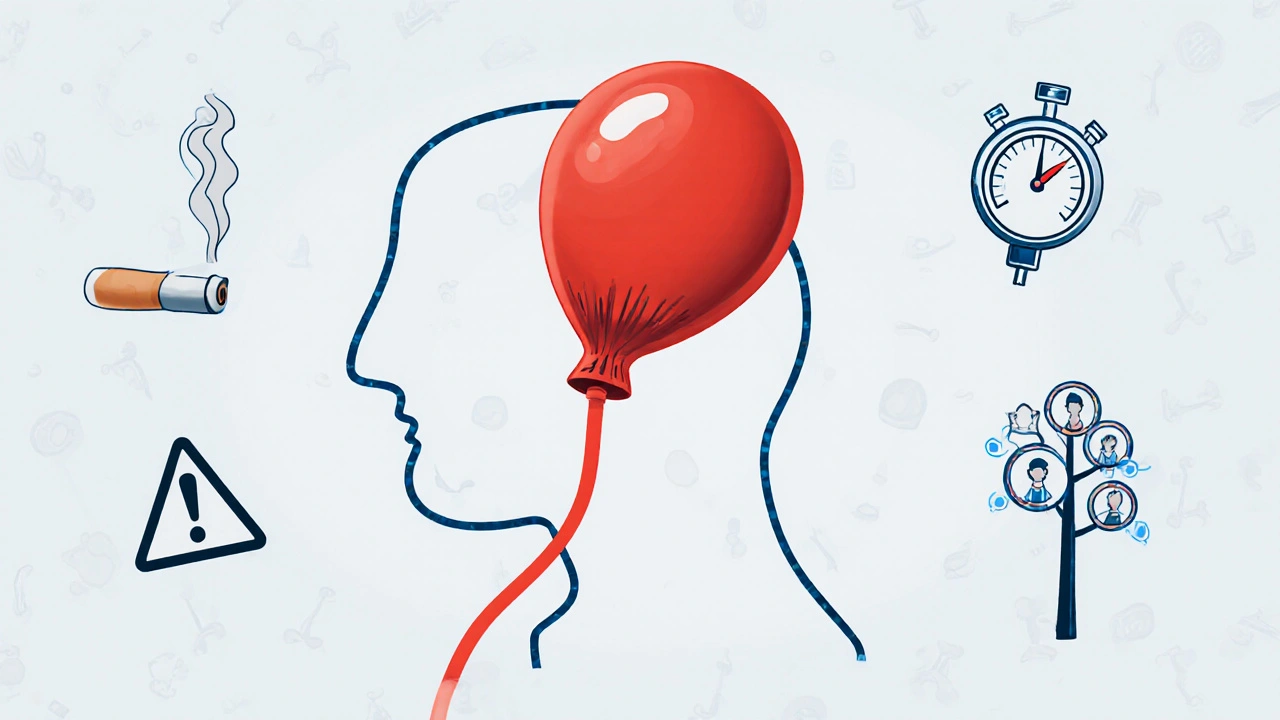
Cerebral Aneurysm: Understanding Rupture Risk and Modern Treatment Choices
- Nov, 19 2025
- 11
Cerebral aneurysms can be silent until they rupture. Learn what increases rupture risk, how doctors assess it with the PHASES score, and the three main treatment options - clipping, coiling, and flow diversion - with real-world success rates and recovery outcomes.
Categories
- Medication Information (123)
- Health and Wellness (52)
- Women's Health (7)
- Mental Health (5)
- Support Resources (5)
- Supplements (5)
- Pharmacy Reviews (5)
- Dermatology (4)
- Nutrition (3)
- Fitness and Wellness (3)
Archives
- April 2026 (2)
- March 2026 (10)
- February 2026 (12)
- January 2026 (27)
- December 2025 (30)
- November 2025 (24)
- October 2025 (29)
- September 2025 (14)
- August 2025 (2)
- July 2025 (7)
- June 2025 (2)
- May 2025 (3)
- online pharmacy
- dietary supplement
- medication safety
- health benefits
- side effects
- generic drugs
- drug interactions
- treatment
- wellness
- optimal health
- diabetes management
- safe medication purchase
- online pharmacy Australia
- brand name drugs
- authorized generics
- generic medications
- medication side effects
- link
- women's health
- bone health