
Renal Impairment: How Kidney Problems Affect Medications and Your Safety
When your kidneys aren't working right, it's not just about urination or swelling—it changes how every medication in your body behaves. Renal impairment, a condition where kidney function drops below normal, often due to diabetes, high blood pressure, or long-term drug use. Also known as kidney dysfunction, it means your body can't flush out drugs the way it should, leading to dangerous buildup. This isn't rare. Over 1 in 7 adults in the UK have some level of kidney impairment, and many don't even know it. If you're on regular meds—especially for diabetes, heart disease, or chronic pain—your kidneys are silently shaping how those drugs work, or fail to work.
Drugs like aminoglycosides, antibiotics such as gentamicin and tobramycin that can damage kidneys even at normal doses, or SGLT2 inhibitors, diabetes drugs that help protect kidneys but can cause dehydration and low blood pressure in those with reduced function, need special care. The same dose that helps someone with healthy kidneys can overdose someone with renal impairment. Even common painkillers like ibuprofen can worsen kidney function, especially if you're already at risk. That’s why doctors check your eGFR—a simple blood test that measures how well your kidneys filter waste—and adjust doses accordingly. If your kidneys are at 40% function or lower, many meds must be reduced, delayed, or swapped out entirely.
It’s not just about the drugs you take—it’s about what else is going on in your body. Liver disease, heart failure, and diabetes often come with renal impairment, making things even trickier. A medication that’s safe alone might become dangerous when combined with another. That’s why drug interactions matter more than ever when your kidneys are struggling. The posts below cover real cases: how antibiotics like trimethoprim spike potassium levels in people with kidney issues, how diuretics and blood pressure meds interact in ways that can cause dizziness or collapse, and how even something as simple as a protein shake can interfere with thyroid meds if your kidneys can’t clear the waste properly. You’ll find practical advice on spotting hidden risks, understanding lab results, and talking to your pharmacist about safe dosing. This isn’t theory—it’s what happens in real lives, every day. What you learn here could prevent a hospital visit.
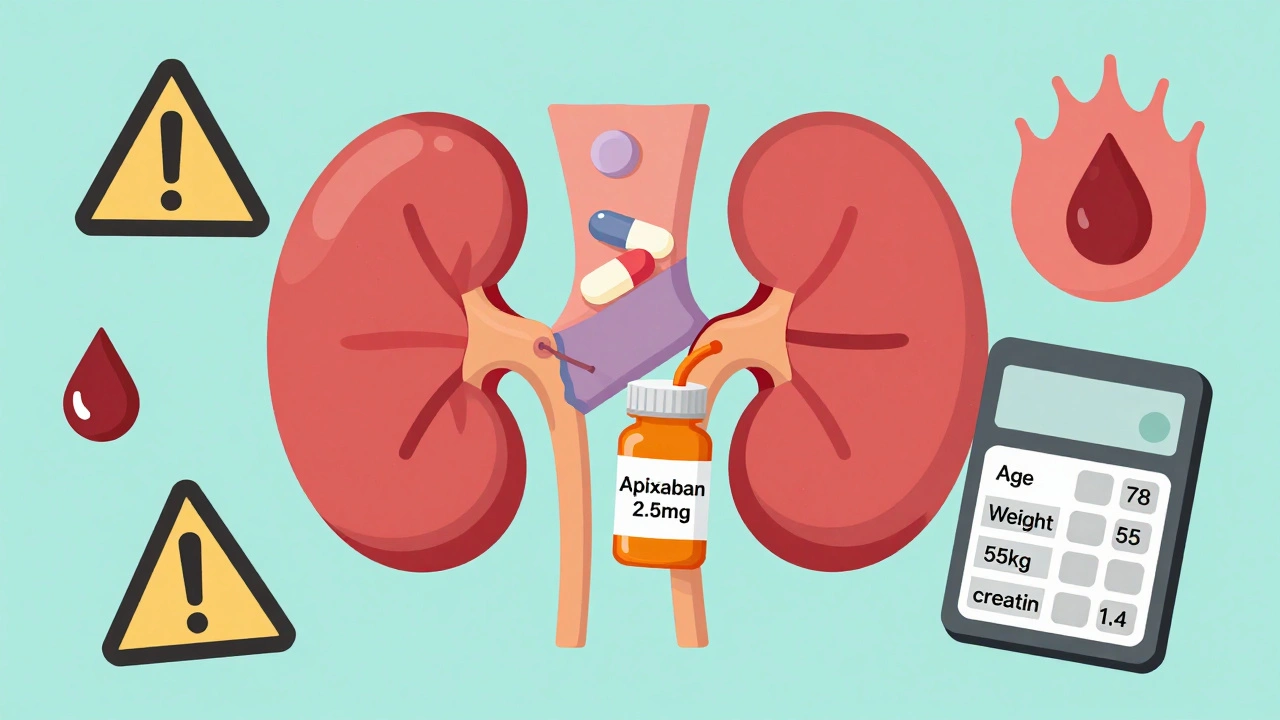
DOACs in Renal Impairment: How to Adjust Doses to Prevent Bleeding and Clots
- Dec, 1 2025
- 13
DOACs like apixaban and rivaroxaban are common blood thinners, but kidney problems require precise dose adjustments to prevent bleeding or clots. Learn the rules for safe use.
Categories
- Medication Information (122)
- Health and Wellness (52)
- Women's Health (7)
- Mental Health (5)
- Support Resources (5)
- Supplements (5)
- Pharmacy Reviews (5)
- Dermatology (4)
- Nutrition (3)
- Fitness and Wellness (3)
Archives
- April 2026 (1)
- March 2026 (10)
- February 2026 (12)
- January 2026 (27)
- December 2025 (30)
- November 2025 (24)
- October 2025 (29)
- September 2025 (14)
- August 2025 (2)
- July 2025 (7)
- June 2025 (2)
- May 2025 (3)
- online pharmacy
- dietary supplement
- medication safety
- health benefits
- side effects
- generic drugs
- drug interactions
- treatment
- wellness
- optimal health
- diabetes management
- safe medication purchase
- online pharmacy Australia
- brand name drugs
- authorized generics
- generic medications
- medication side effects
- link
- women's health
- dietary supplements