
Post-Market Surveillance: How Drugs Are Monitored After They Hit the Shelf
When a new medication gets approved, it doesn’t mean the safety check is over. Post-market surveillance, the ongoing monitoring of drugs after they’re available to the public. Also known as pharmacovigilance, it’s how regulators and doctors spot problems that didn’t show up in clinical trials—like rare side effects, dangerous interactions, or risks in older adults or people with kidney disease. Clinical trials involve thousands of people, but once millions start taking a drug, unexpected issues pop up. That’s where post-market surveillance steps in.
This system tracks adverse drug reactions, harmful or unintended effects from medications reported by patients, doctors, and pharmacies. For example, a blood thinner like apixaban might work perfectly in trials, but in real life, someone with severe kidney impairment might bleed dangerously—something only noticed after hundreds of thousands have used it. That’s why posts on DOACs in renal impairment and trimethoprim’s link to high potassium exist: they’re direct results of post-market surveillance catching risks that weren’t obvious before.
It’s not just about rare side effects. medication monitoring, the practice of tracking how drugs behave in different populations over time helps us understand why some people get dizziness from SGLT2 inhibitors, why NSAIDs worsen heart failure, or why corticosteroid tapering is so critical. These aren’t guesswork—they’re patterns found when doctors report what happens when real patients take these drugs for months or years.
The data comes from everywhere: hospital records, patient apps, pharmacy logs, and voluntary reports to agencies like the FDA and MHRA. It’s messy, but it’s the only way to catch problems like QT prolongation from azithromycin or kidney damage from gentamicin before they become widespread. That’s why you’ll find posts on ECG monitoring during macrolide therapy and aminoglycoside nephrotoxicity—they’re born from this ongoing watch.
And it’s not just about danger. Post-market surveillance also confirms what works. When generic drugs prove just as effective as brand names, or when combination cholesterol therapy lowers LDL better than high-dose statins, it’s because real-world data backed up the science. This system keeps the good drugs in play and the risky ones off the market—or at least with clearer warnings.
What you’ll find below are real stories and science-backed guides that came from this exact process. Each post reflects a risk, a discovery, or a safety fix that emerged only after a drug was widely used. Whether it’s how to store prescription labels to avoid errors, why protein shakes interfere with thyroid meds, or how to safely dispose of expired pills—all of it ties back to the quiet, relentless work of post-market surveillance. You’re not just reading about drugs. You’re reading about how the system protects you after the prescription is filled.
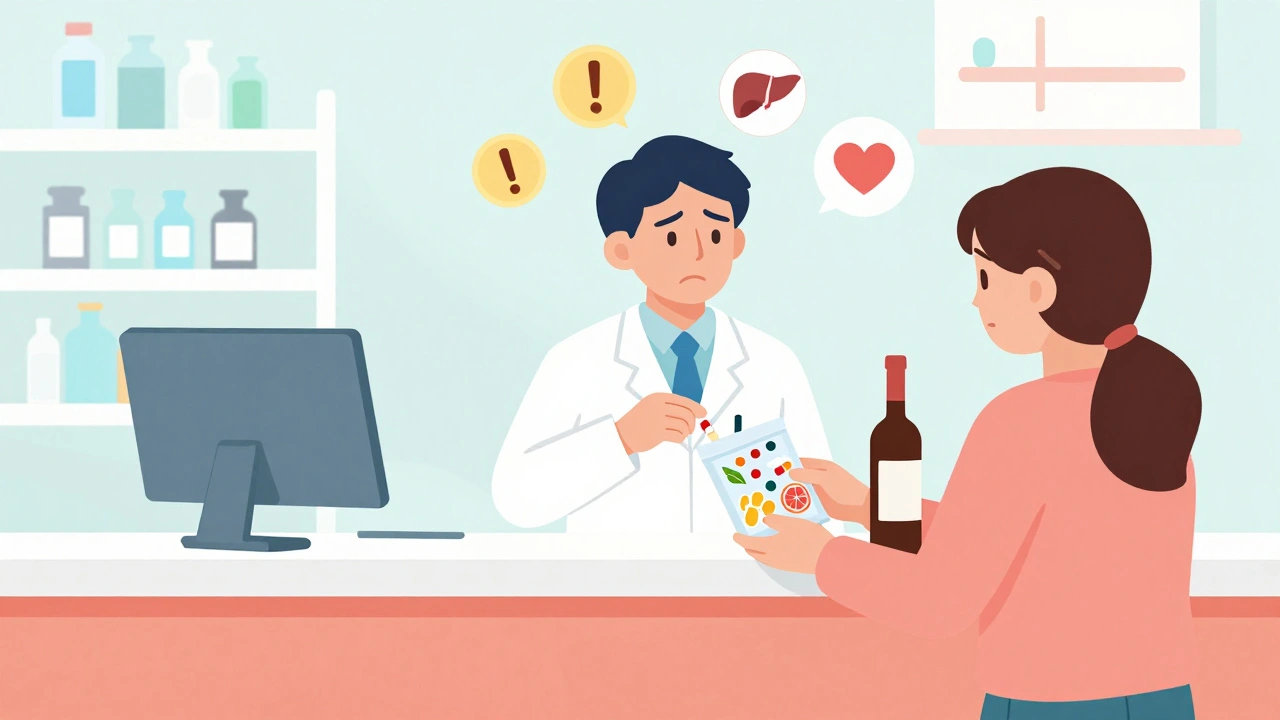
Drug Interactions Discovered Post-Market: What It Means for Your Safety
- Dec, 3 2025
- 14
Many dangerous drug interactions aren't found until after millions take the medicine. Learn how post-market surveillance catches hidden risks, why clinical trials miss them, and what you can do to stay safe.
Categories
- Medication Information (122)
- Health and Wellness (52)
- Women's Health (7)
- Mental Health (5)
- Support Resources (5)
- Supplements (5)
- Pharmacy Reviews (5)
- Dermatology (4)
- Nutrition (3)
- Fitness and Wellness (3)
Archives
- April 2026 (1)
- March 2026 (10)
- February 2026 (12)
- January 2026 (27)
- December 2025 (30)
- November 2025 (24)
- October 2025 (29)
- September 2025 (14)
- August 2025 (2)
- July 2025 (7)
- June 2025 (2)
- May 2025 (3)
- online pharmacy
- dietary supplement
- medication safety
- health benefits
- side effects
- generic drugs
- drug interactions
- treatment
- wellness
- optimal health
- diabetes management
- safe medication purchase
- online pharmacy Australia
- brand name drugs
- authorized generics
- generic medications
- medication side effects
- link
- women's health
- dietary supplements