
NTI Drugs: What They Are, Why They Matter, and How to Stay Safe
When a drug has a narrow therapeutic index, a small difference between a safe dose and a toxic one. Also known as NTI drugs, these medications require extreme precision—too little won’t work, too much can land you in the hospital. Think warfarin, lithium, digoxin, or phenytoin. These aren’t just any pills. They’re like walking a tightrope: one wrong step and things go sideways fast.
NTI drugs are often used for serious conditions—seizures, heart rhythm problems, blood clots, or mood disorders. But here’s the catch: your body’s response to them can change based on your age, liver function, kidney health, or even what else you’re taking. A generic version might look identical, but if it’s not bioequivalent within strict limits, it can throw off your entire treatment. That’s why the FDA treats NTI drugs differently during approval. And why your pharmacist might flag a switch even if it’s "approved" on paper. Drug interactions? They’re not just a warning label here—they’re a red alert. Trimethoprim raising potassium? That’s a problem for anyone on digoxin. NSAIDs causing fluid retention? That’s dangerous if you’re on heart meds with a narrow window. Even something as simple as switching from one brand of levothyroxine to another can trigger symptoms if your body isn’t used to the slight variation in absorption.
People on multiple medications, older adults, or those with kidney or liver issues are at highest risk. But anyone taking an NTI drug needs to be vigilant. That means keeping a list of every pill you take, never skipping doses or doubling up, and always asking if a new prescription could interfere. It also means knowing your lab numbers—INR for warfarin, lithium levels, digoxin blood tests—and not ignoring when your doctor says, "We need to check this again." There’s no room for guesswork. The posts below cover exactly these risks: how to avoid insulin stacking, why DOACs need kidney adjustments, how liver disease changes drug clearance, and why even generic switches can be risky. You’ll find real-world advice on dosing, monitoring, and spotting hidden dangers before they become emergencies. This isn’t theory. It’s survival.
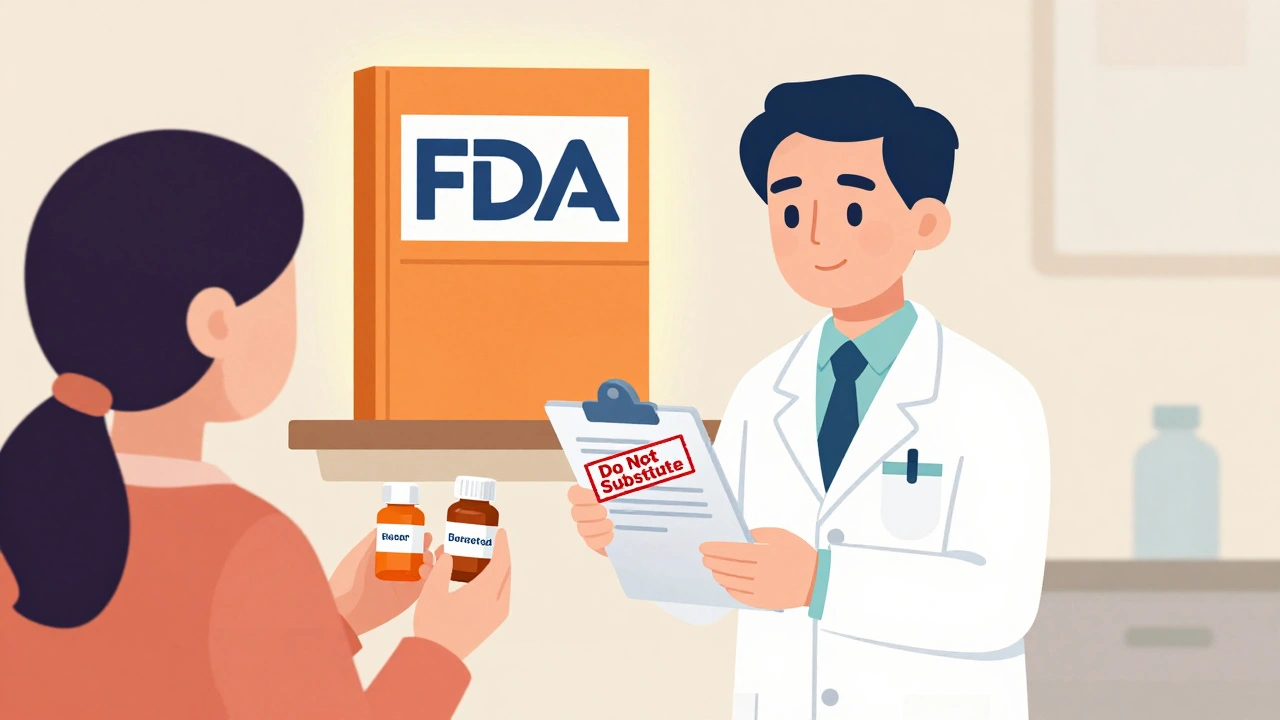
Medical Society Guidelines on Generic Drug Use: What Doctors Really Think
- Dec, 8 2025
- 10
Medical society guidelines on generic drug use vary by specialty. While most generics are safe, neurologists, oncologists, and others have specific concerns about substitution for drugs with narrow therapeutic indices. Here's what doctors really think.
Categories
- Medication Information (122)
- Health and Wellness (52)
- Women's Health (7)
- Mental Health (5)
- Support Resources (5)
- Supplements (5)
- Pharmacy Reviews (5)
- Dermatology (4)
- Nutrition (3)
- Fitness and Wellness (3)
Archives
- April 2026 (1)
- March 2026 (10)
- February 2026 (12)
- January 2026 (27)
- December 2025 (30)
- November 2025 (24)
- October 2025 (29)
- September 2025 (14)
- August 2025 (2)
- July 2025 (7)
- June 2025 (2)
- May 2025 (3)
- online pharmacy
- dietary supplement
- medication safety
- health benefits
- side effects
- generic drugs
- drug interactions
- treatment
- wellness
- optimal health
- diabetes management
- safe medication purchase
- online pharmacy Australia
- brand name drugs
- authorized generics
- generic medications
- medication side effects
- link
- women's health
- dietary supplements