
MASLD: What It Is, How It Affects Your Liver, and What You Need to Know
When doctors talk about MASLD, Metabolic Dysfunction-Associated Steatotic Liver Disease, a condition where fat builds up in the liver due to metabolic issues like insulin resistance and obesity. It used to be called NAFLD, but the name changed because it better reflects what’s actually driving the problem: your metabolism, not just fat. MASLD isn’t just about having a little extra fat on your liver—it’s a sign your body’s energy balance is off. And it’s not rare. One in three adults in the UK shows signs of it, often without symptoms until damage is already done.
This isn’t just a liver issue. MASLD is deeply tied to metabolic dysfunction, a cluster of conditions including high blood sugar, excess belly fat, and abnormal cholesterol levels that increase heart disease and diabetes risk. People with type 2 diabetes are three times more likely to have MASLD. And if you’re on medications that affect how your liver processes drugs—like statins, certain antibiotics, or even some painkillers—you’re at higher risk for complications. The liver doesn’t just store fat; it’s your body’s main drug factory. When it’s overloaded, even safe meds can become dangerous. That’s why drug metabolism, the process your liver uses to break down and clear medications from your system becomes critical when MASLD is present. Reduced clearance means drugs stick around longer, raising the chance of side effects or toxicity.
What makes MASLD tricky is that it doesn’t always cause pain or obvious signs. You might feel fine, have normal blood tests, and still have inflammation or early scarring. That’s why it’s often found by accident—during an ultrasound for another reason, or when liver enzymes show up high on a routine checkup. The good news? It’s reversible. Losing just 5-10% of your body weight can shrink liver fat significantly. Cutting back on sugar, especially fructose from sodas and processed snacks, helps more than you’d think. And moving more—even walking 30 minutes a day—can improve insulin sensitivity and reduce liver stress.
The posts below dig into exactly how MASLD connects to other health issues you might be managing. You’ll find real-world advice on how liver disease affects your meds, why certain antibiotics or painkillers need caution, and how to avoid interactions that could make things worse. Whether you’re worried about your cholesterol meds, your blood pressure pills, or how your thyroid drug interacts with your diet, there’s something here that speaks to your situation. This isn’t theory. It’s what people are dealing with every day—and what doctors need you to know before the next appointment.
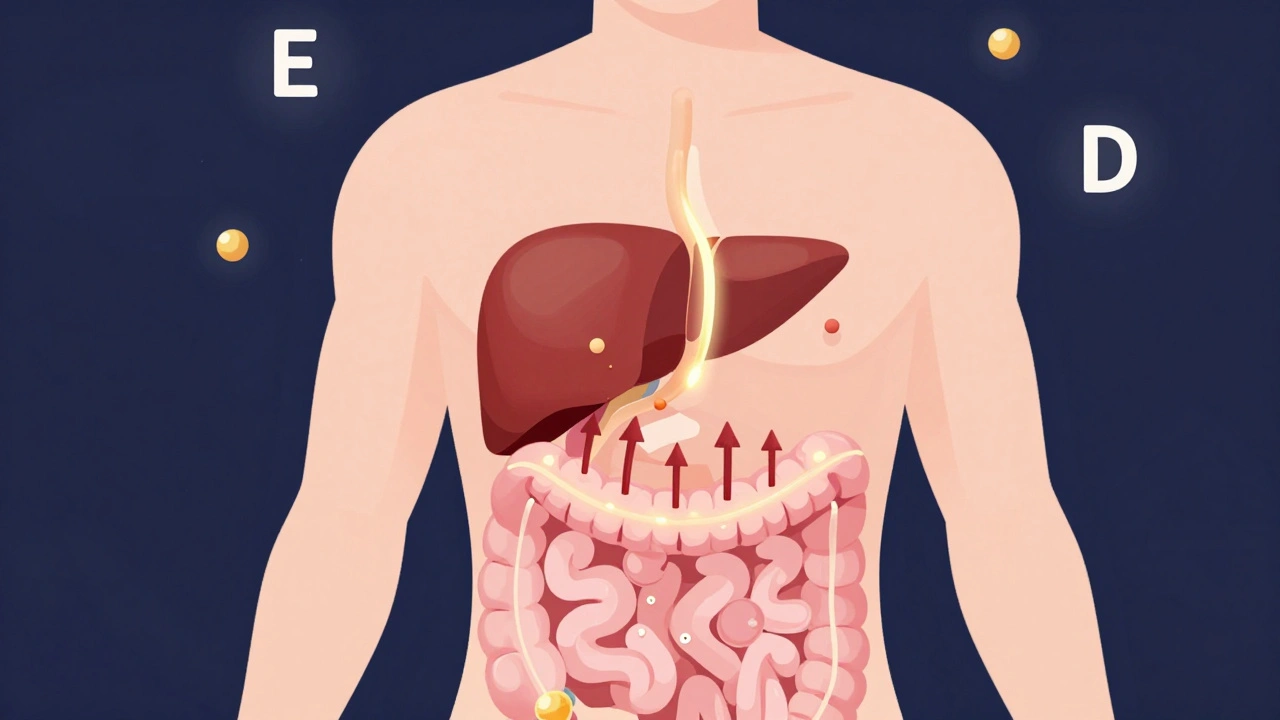
Celiac Disease and Liver Abnormalities: What Links Them
- Dec, 5 2025
- 10
Celiac disease can cause liver enzyme elevations and fatty liver in up to 40% of untreated cases. The good news? Most liver abnormalities reverse with a strict gluten-free diet - but only if you eat whole foods, not processed gluten-free junk.
Categories
- Medication Information (122)
- Health and Wellness (52)
- Women's Health (7)
- Mental Health (5)
- Support Resources (5)
- Supplements (5)
- Pharmacy Reviews (5)
- Dermatology (4)
- Nutrition (3)
- Fitness and Wellness (3)
Archives
- April 2026 (1)
- March 2026 (10)
- February 2026 (12)
- January 2026 (27)
- December 2025 (30)
- November 2025 (24)
- October 2025 (29)
- September 2025 (14)
- August 2025 (2)
- July 2025 (7)
- June 2025 (2)
- May 2025 (3)
- online pharmacy
- dietary supplement
- medication safety
- health benefits
- side effects
- generic drugs
- drug interactions
- treatment
- wellness
- optimal health
- diabetes management
- safe medication purchase
- online pharmacy Australia
- brand name drugs
- authorized generics
- generic medications
- medication side effects
- link
- women's health
- dietary supplements