
Liver Abnormalities: What They Mean and How Medications Affect You
When your liver abnormalities, changes in liver function that affect how the body processes toxins and drugs. Also known as hepatic impairment, it can turn everyday medications into hidden dangers. Most people don’t think about their liver until something goes wrong—but it’s constantly working to break down drugs, clean your blood, and make proteins your body needs. If it’s damaged by alcohol, hepatitis, fatty liver, or long-term medication use, even simple pills can build up to toxic levels.
That’s why drug metabolism, how the liver breaks down and removes medicines from the body matters so much. When your liver isn’t working right, drugs like statins, antibiotics, or painkillers stick around longer than they should. This isn’t just theory—it’s why doctors check liver function scores like Child-Pugh or MELD before prescribing. The same dose that’s safe for someone with healthy liver function can cause serious harm if your liver is struggling. And it’s not just about taking too much—it’s about what your body can’t clear. Some medications are processed almost entirely by the liver, so if it’s damaged, those drugs become risky. This is why medication safety, the practice of using drugs in a way that avoids harm, especially when other health conditions are present must include liver health as a core factor.
It’s not just about cirrhosis or heavy drinking. Even mild liver changes from obesity, diabetes, or viral infections like hepatitis A can shift how your body handles medicine. Some people don’t know they have liver abnormalities until they get sick after taking a common drug. That’s why tracking symptoms—like unexplained fatigue, yellowing skin, or dark urine—is just as important as lab tests. And if you’re on multiple medications, the risk grows. Drug-disease interactions and post-market surveillance data show that liver-related side effects often show up only after thousands of people have used a drug. The good news? Doctors can adjust doses, switch to safer alternatives, or monitor you more closely if they know your liver isn’t functioning normally.
What you’ll find below isn’t just a list of articles—it’s a practical guide to understanding how liver health connects to the drugs you take every day. From how insulin and blood thinners behave when the liver is impaired, to why antibiotics like trimethoprim can be risky, these posts break down real-world cases and science you can use. Whether you’re managing a chronic condition, helping an older relative, or just trying to avoid unexpected side effects, this collection gives you the facts you need to talk to your doctor with confidence.
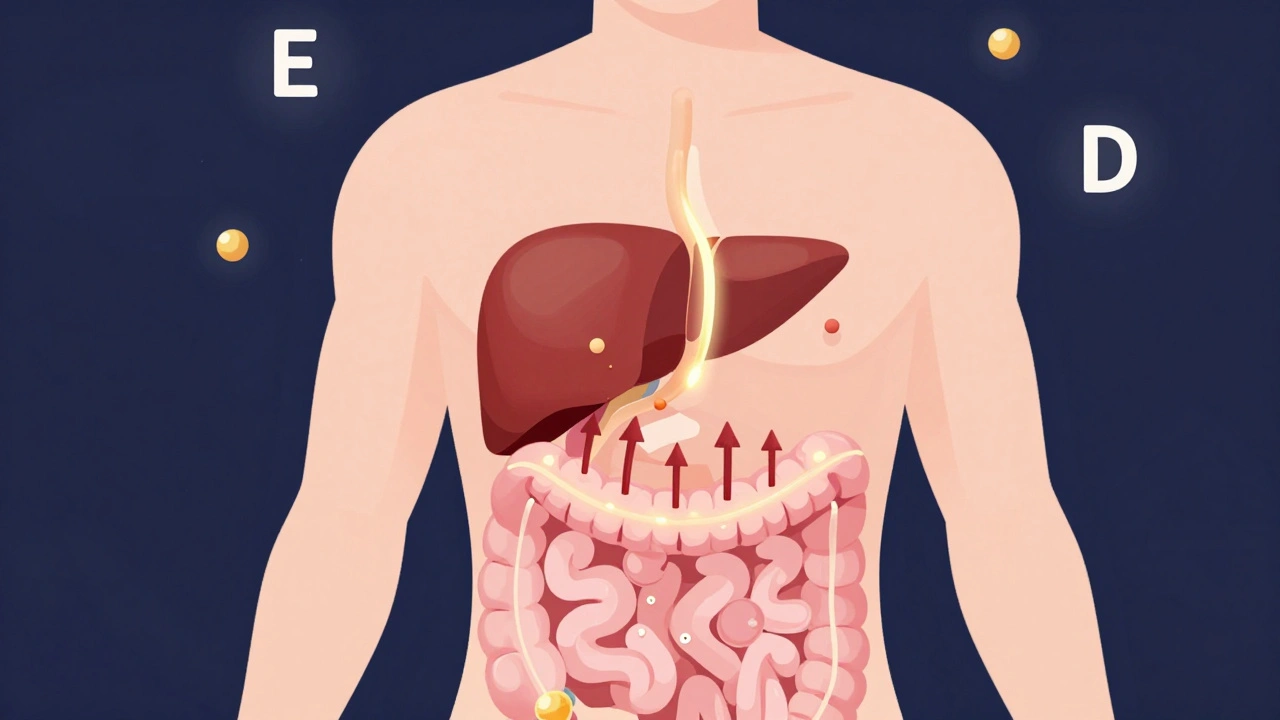
Celiac Disease and Liver Abnormalities: What Links Them
- Dec, 5 2025
- 10
Celiac disease can cause liver enzyme elevations and fatty liver in up to 40% of untreated cases. The good news? Most liver abnormalities reverse with a strict gluten-free diet - but only if you eat whole foods, not processed gluten-free junk.
Categories
- Medication Information (122)
- Health and Wellness (52)
- Women's Health (7)
- Mental Health (5)
- Support Resources (5)
- Supplements (5)
- Pharmacy Reviews (5)
- Dermatology (4)
- Nutrition (3)
- Fitness and Wellness (3)
Archives
- April 2026 (1)
- March 2026 (10)
- February 2026 (12)
- January 2026 (27)
- December 2025 (30)
- November 2025 (24)
- October 2025 (29)
- September 2025 (14)
- August 2025 (2)
- July 2025 (7)
- June 2025 (2)
- May 2025 (3)
- online pharmacy
- dietary supplement
- medication safety
- health benefits
- side effects
- generic drugs
- drug interactions
- treatment
- wellness
- optimal health
- diabetes management
- safe medication purchase
- online pharmacy Australia
- brand name drugs
- authorized generics
- generic medications
- medication side effects
- link
- women's health
- dietary supplements