
Kidney Disease: How Medications, Diet, and Other Conditions Affect Your Kidneys
When we talk about kidney disease, a condition where the kidneys lose their ability to filter waste and fluid from the blood. Also known as chronic kidney disease, it often creeps up silently, with few early signs until damage is advanced. It’s not just about aging or high blood pressure—it’s deeply tied to how your body handles medications, what other health conditions you have, and even what you eat.
Your kidneys are like filters, and they’re sensitive to almost everything you put in your body. Take aminoglycoside antibiotics, a class of powerful drugs used for serious infections like sepsis. Drugs like gentamicin and tobramycin can damage your kidneys in 10 to 25% of cases, especially if you’re older, dehydrated, or already have reduced kidney function. Then there’s SGLT2 inhibitors, a newer type of diabetes medication that helps the kidneys flush out sugar. These drugs protect your heart and kidneys over time, but they can also cause dehydration and low blood pressure—two things that can stress your kidneys even more. And if you’re taking multiple meds for diabetes, high blood pressure, or arthritis, you could be caught in a drug-disease interaction, when a medicine meant to help one condition makes another one worse. For example, NSAIDs like ibuprofen might ease your joint pain but increase fluid retention and raise your risk of hospitalization if you have heart failure or early kidney disease.
It’s not just about pills. If you have liver disease, your body’s ability to clear toxins changes—and that puts extra strain on your kidneys. Even something as simple as taking calcium or iron supplements at the wrong time can interfere with kidney-protective meds. And while diet and hydration matter, most people don’t realize how many everyday drugs quietly chip away at kidney function over months or years. That’s why tracking your meds, knowing your lab numbers, and asking your doctor about kidney-safe alternatives isn’t optional—it’s essential.
Below, you’ll find real, practical insights from people who’ve been there: how a common antibiotic spiked potassium levels and hurt their kidneys, why a diabetes drug helped their heart but nearly left them dizzy, and how to spot the early warning signs before it’s too late. These aren’t theoretical warnings—they’re lessons from real patients and doctors who’ve seen what happens when kidney health gets ignored.
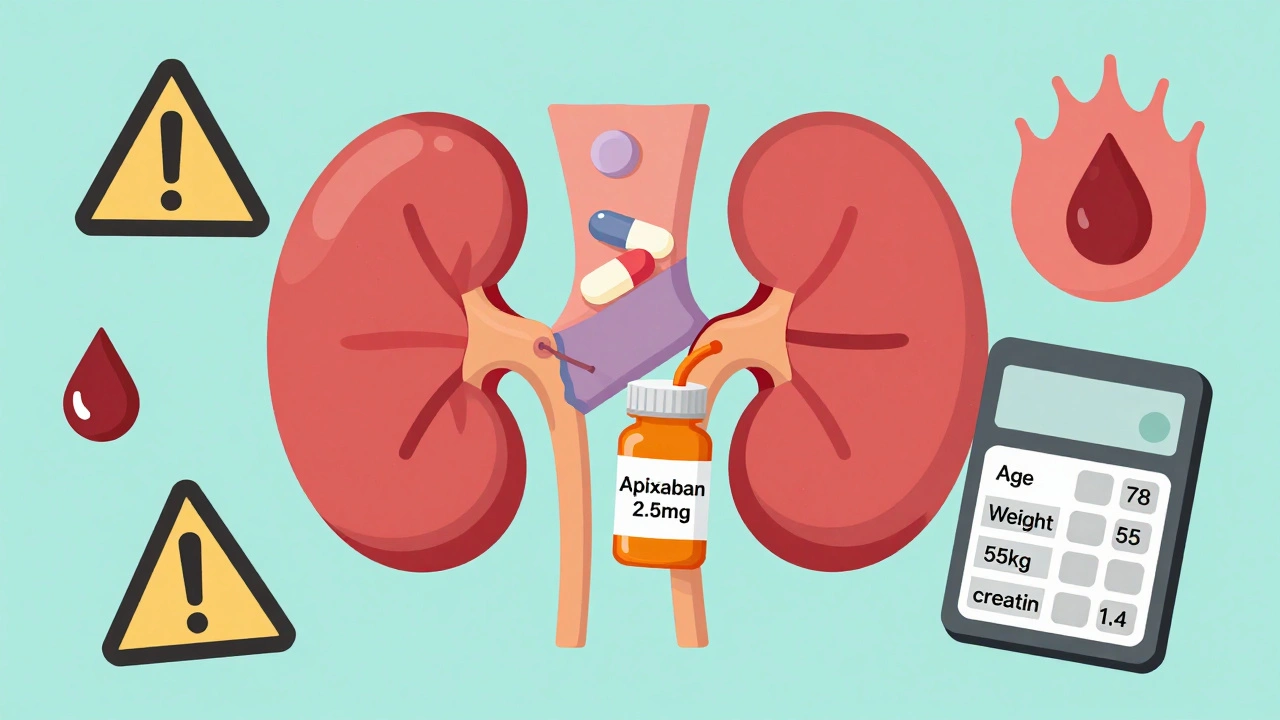
DOACs in Renal Impairment: How to Adjust Doses to Prevent Bleeding and Clots
- Dec, 1 2025
- 13
DOACs like apixaban and rivaroxaban are common blood thinners, but kidney problems require precise dose adjustments to prevent bleeding or clots. Learn the rules for safe use.
Categories
- Medication Information (122)
- Health and Wellness (52)
- Women's Health (7)
- Mental Health (5)
- Support Resources (5)
- Supplements (5)
- Pharmacy Reviews (5)
- Dermatology (4)
- Nutrition (3)
- Fitness and Wellness (3)
Archives
- April 2026 (1)
- March 2026 (10)
- February 2026 (12)
- January 2026 (27)
- December 2025 (30)
- November 2025 (24)
- October 2025 (29)
- September 2025 (14)
- August 2025 (2)
- July 2025 (7)
- June 2025 (2)
- May 2025 (3)
- online pharmacy
- dietary supplement
- medication safety
- health benefits
- side effects
- generic drugs
- drug interactions
- treatment
- wellness
- optimal health
- diabetes management
- safe medication purchase
- online pharmacy Australia
- brand name drugs
- authorized generics
- generic medications
- medication side effects
- link
- women's health
- dietary supplements