
Insulin Stacking: Risks, Real-World Effects, and Safe Management
When someone takes another dose of insulin too soon after the last one, they’re doing insulin stacking, the practice of overlapping rapid-acting insulin doses before the previous one has finished working. Also known as insulin overlap, it’s a common mistake among people managing type 1 or type 2 diabetes who are trying to correct high blood sugar but don’t realize how long insulin stays active in their body. This isn’t just a minor error—it’s one of the top causes of unexpected, severe hypoglycemia, dangerously low blood sugar that can lead to confusion, seizures, or loss of consciousness. Many people think, "My sugar is still high, so I need more insulin," without knowing that the last dose is still working. That’s where insulin stacking happens.
Insulin stacking often starts with a lack of awareness about insulin duration. Most rapid-acting insulins like Humalog, NovoLog, or Fiasp last 3 to 5 hours, sometimes longer depending on the person. But if you take another dose at the 2-hour mark because your sugar didn’t drop fast enough, you’re doubling up. The result? A spike in insulin activity that crashes your blood sugar later—sometimes hours after a meal or even while you’re sleeping. This isn’t theoretical. Real patients have ended up in the ER because they stacked insulin after a snack, a late dinner, or a correction bolus. And it’s not just about timing—it’s about not tracking what you’ve already taken. People forget doses. They use multiple pens. They switch between pumps and injections. All of it adds up.
What makes insulin stacking even trickier is that it’s often tied to hyperglycemia, persistently high blood sugar that triggers panic and the urge to correct it immediately. Frustration with stubborn high numbers leads people to reach for more insulin without waiting. But the answer isn’t more insulin—it’s patience, better tracking, and understanding your body’s insulin response. Tools like logbooks, apps, or even simple notes on your phone can help you see patterns instead of reacting to single numbers. And if you’re on a pump, learning how to use temporary basal rates or extended boluses can reduce the need for multiple correction doses.
You don’t need to be perfect. You just need to be aware. Many people who struggle with insulin stacking aren’t careless—they’re overwhelmed. They’re trying to control their diabetes in a world that doesn’t make it easy. The goal isn’t to blame yourself, but to break the cycle. Talk to your doctor or diabetes educator about your dosing routine. Ask for help setting up alerts on your CGM. Learn how to calculate insulin on board (IOB). Small changes can stop a dangerous habit before it leads to a crisis.
Below, you’ll find real stories and expert advice on how people manage insulin safely, avoid dangerous overlaps, and handle high blood sugar without risking a low. These aren’t theoretical tips—they’re what works for people living with diabetes every day.
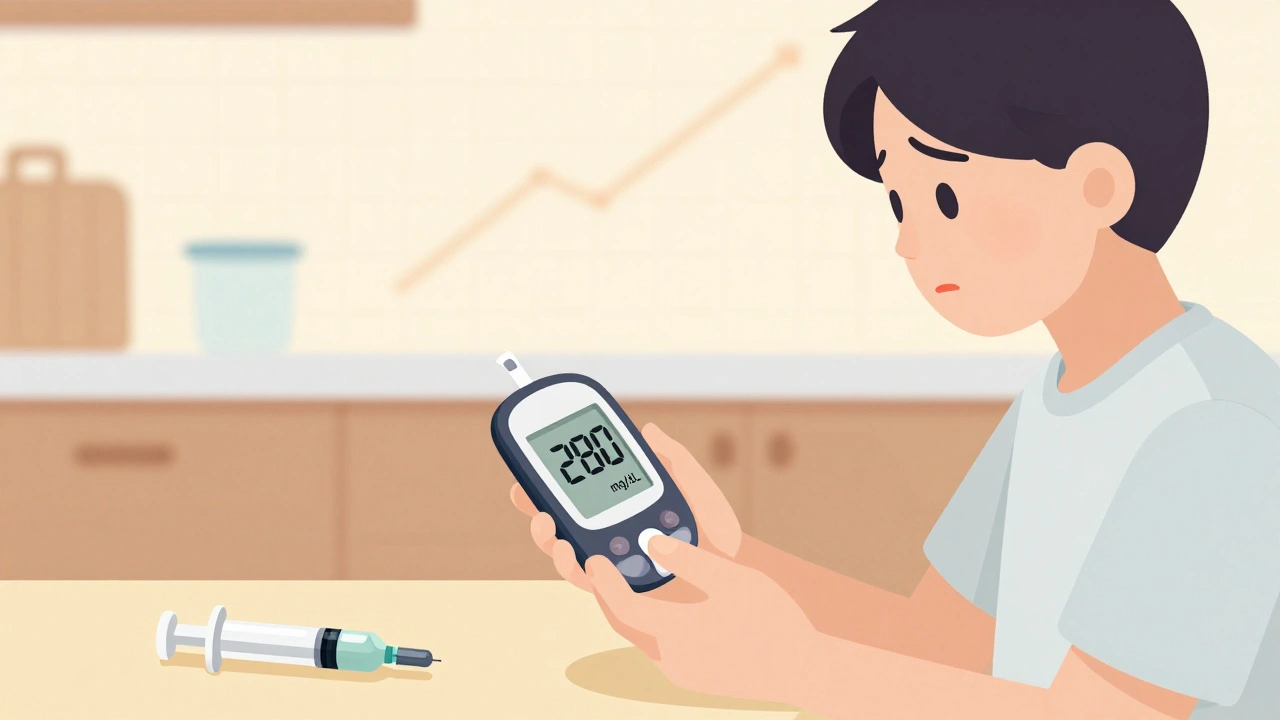
Insulin Stacking: How to Avoid Dangerous Hypoglycemia with Safe Dosing Intervals
- Dec, 4 2025
- 15
Insulin stacking happens when you give rapid-acting insulin too soon after your last dose, causing dangerous low blood sugar. Learn how to avoid it with safe dosing intervals and real-world tips.
Categories
- Medication Information (122)
- Health and Wellness (52)
- Women's Health (7)
- Mental Health (5)
- Support Resources (5)
- Supplements (5)
- Pharmacy Reviews (5)
- Dermatology (4)
- Nutrition (3)
- Fitness and Wellness (3)
Archives
- April 2026 (1)
- March 2026 (10)
- February 2026 (12)
- January 2026 (27)
- December 2025 (30)
- November 2025 (24)
- October 2025 (29)
- September 2025 (14)
- August 2025 (2)
- July 2025 (7)
- June 2025 (2)
- May 2025 (3)
- online pharmacy
- dietary supplement
- medication safety
- health benefits
- side effects
- generic drugs
- drug interactions
- treatment
- wellness
- optimal health
- diabetes management
- safe medication purchase
- online pharmacy Australia
- brand name drugs
- authorized generics
- generic medications
- medication side effects
- link
- women's health
- dietary supplements