
Insulin Dosing Intervals: When to Take Insulin for Better Blood Sugar Control
When you're managing insulin dosing intervals, the scheduled times you take insulin to match your body’s needs throughout the day. Also known as insulin timing, it’s not just about how much you inject—it’s about when you inject it. Get this wrong, and your blood sugar swings wildly. Get it right, and you’re less likely to crash, feel foggy, or face long-term damage.
Most people with type 1 diabetes, an autoimmune condition where the pancreas stops making insulin need multiple daily injections or an insulin pump. They take rapid-acting insulin before meals to handle the sugar spike from food, and long-acting insulin once or twice a day to cover baseline needs. But even with type 2 diabetes, where the body still makes some insulin but doesn’t use it well, timing matters. Taking insulin too early or too late can mean high blood sugar after eating—or a dangerous drop hours later.
Blood sugar control, the steady maintenance of glucose levels within a healthy range isn’t just about the dose. It’s about syncing insulin with meals, activity, and even sleep. Someone who takes insulin 30 minutes before breakfast but eats a sugary cereal five minutes later will spike. Someone who takes it after eating might end up low. The same goes for exercise—working out after a dose can drop blood sugar fast. Even stress, illness, or a bad night’s sleep can throw off your timing.
There’s no one-size-fits-all schedule. Your doctor might start you with insulin before breakfast and dinner, but if you’re eating late or skipping meals, that plan won’t work. Some people do well with basal-bolus therapy—long-acting insulin for background needs, plus quick-acting shots for meals. Others use premixed insulin, which combines both types in one shot, but that limits flexibility. If you’re on an insulin pump, you can adjust doses minute by minute, but you still need to understand how your body responds to food and activity.
What you’ll find in the articles below isn’t theory. It’s real-world advice from people who’ve been there. You’ll see how insulin dosing intervals connect to kidney function, liver health, and even how other meds like antibiotics or steroids can interfere. You’ll learn why some people need to adjust their insulin when they’re sick, how to avoid low blood sugar after exercise, and why storing your insulin properly affects how fast it works. These aren’t just tips—they’re survival tools.
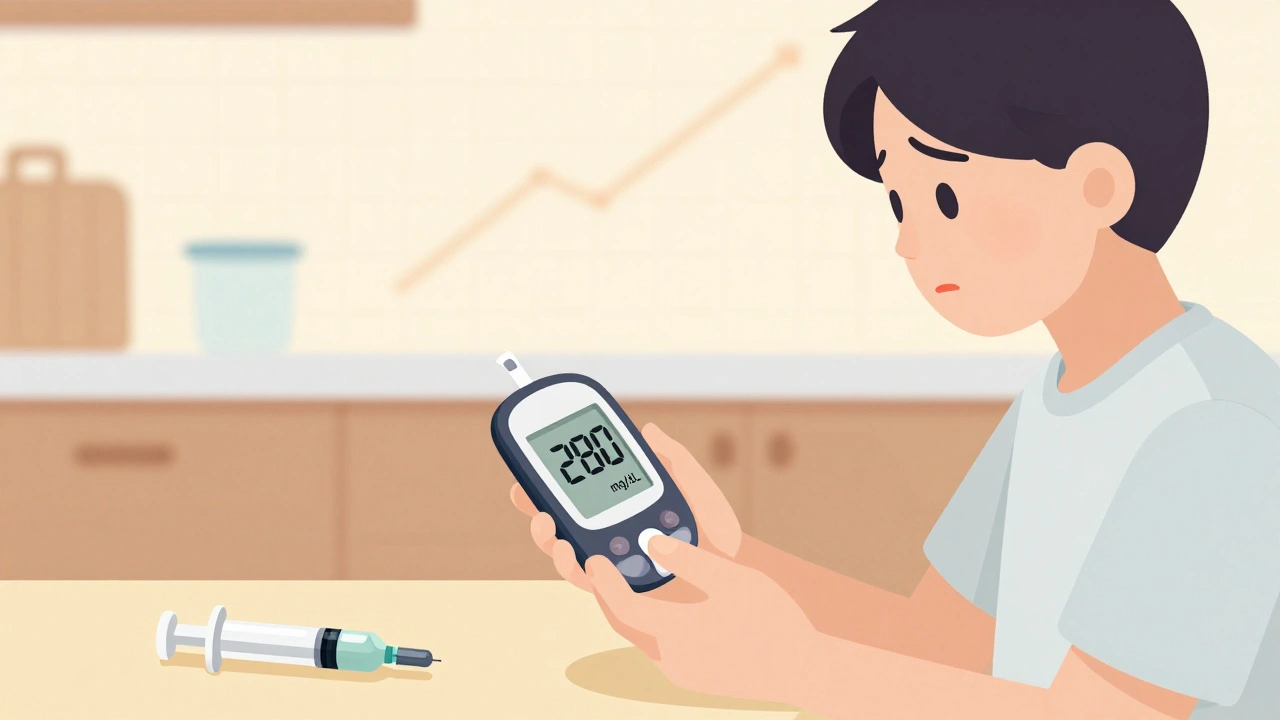
Insulin Stacking: How to Avoid Dangerous Hypoglycemia with Safe Dosing Intervals
- Dec, 4 2025
- 15
Insulin stacking happens when you give rapid-acting insulin too soon after your last dose, causing dangerous low blood sugar. Learn how to avoid it with safe dosing intervals and real-world tips.
Categories
- Medication Information (122)
- Health and Wellness (52)
- Women's Health (7)
- Mental Health (5)
- Support Resources (5)
- Supplements (5)
- Pharmacy Reviews (5)
- Dermatology (4)
- Nutrition (3)
- Fitness and Wellness (3)
Archives
- April 2026 (1)
- March 2026 (10)
- February 2026 (12)
- January 2026 (27)
- December 2025 (30)
- November 2025 (24)
- October 2025 (29)
- September 2025 (14)
- August 2025 (2)
- July 2025 (7)
- June 2025 (2)
- May 2025 (3)
- online pharmacy
- dietary supplement
- medication safety
- health benefits
- side effects
- generic drugs
- drug interactions
- treatment
- wellness
- optimal health
- diabetes management
- safe medication purchase
- online pharmacy Australia
- brand name drugs
- authorized generics
- generic medications
- medication side effects
- link
- women's health
- dietary supplements