
Hepatitis A Symptoms: What to Watch For and When to Act
When you hear hepatitis A, a viral infection that causes inflammation of the liver, often spread through contaminated food or water. Also known as infectious hepatitis, it doesn’t lead to long-term liver damage like hepatitis B or C—but it can make you feel awful fast. Unlike other liver infections, hepatitis A doesn’t become chronic. But that doesn’t mean you can ignore it. Many people, especially kids, show no symptoms at all. But if you’re an adult, the odds are high you’ll feel it—fatigue, nausea, dark urine, jaundice, and abdominal pain are classic signs.
It’s not just about feeling sick. hepatitis A transmission, happens mostly through the fecal-oral route, often from food handled by someone who didn’t wash their hands after using the bathroom. Think raw shellfish from polluted waters, salads washed in contaminated water, or sandwiches made by an infected worker. Outbreaks happen in restaurants, schools, and even at home. And if you’ve been exposed—maybe you ate at a place with a recent case—you have a 2-week window to get a shot or immune globulin to stop it cold.
hepatitis A vaccine, a two-dose series that gives lifelong protection is the best defense. It’s not just for travelers. In the U.S., it’s now part of routine childhood immunizations. But if you’re over 40, eat out often, or work in healthcare or food service, you might still be at risk. And if you’ve never been vaccinated, it’s not too late. The shot is safe, effective, and often covered by insurance.
Most people recover fully in a few weeks. But some end up in the hospital with severe vomiting, dehydration, or liver failure—especially older adults or those with existing liver disease. That’s why recognizing symptoms early matters. If you’re tired for no reason, your skin or eyes turn yellow, or your pee looks like cola, don’t wait. Get tested. You might think it’s just the flu, but hepatitis A can spread to others before you even feel sick.
What you’ll find below are real, practical posts that dig into how hepatitis A spreads through food, what to do after exposure, how vaccines work in real life, and why hygiene isn’t just about washing hands—it’s about knowing when and how to protect yourself and your family. No fluff. No theory. Just what you need to stay safe, spot trouble early, and avoid becoming another statistic.
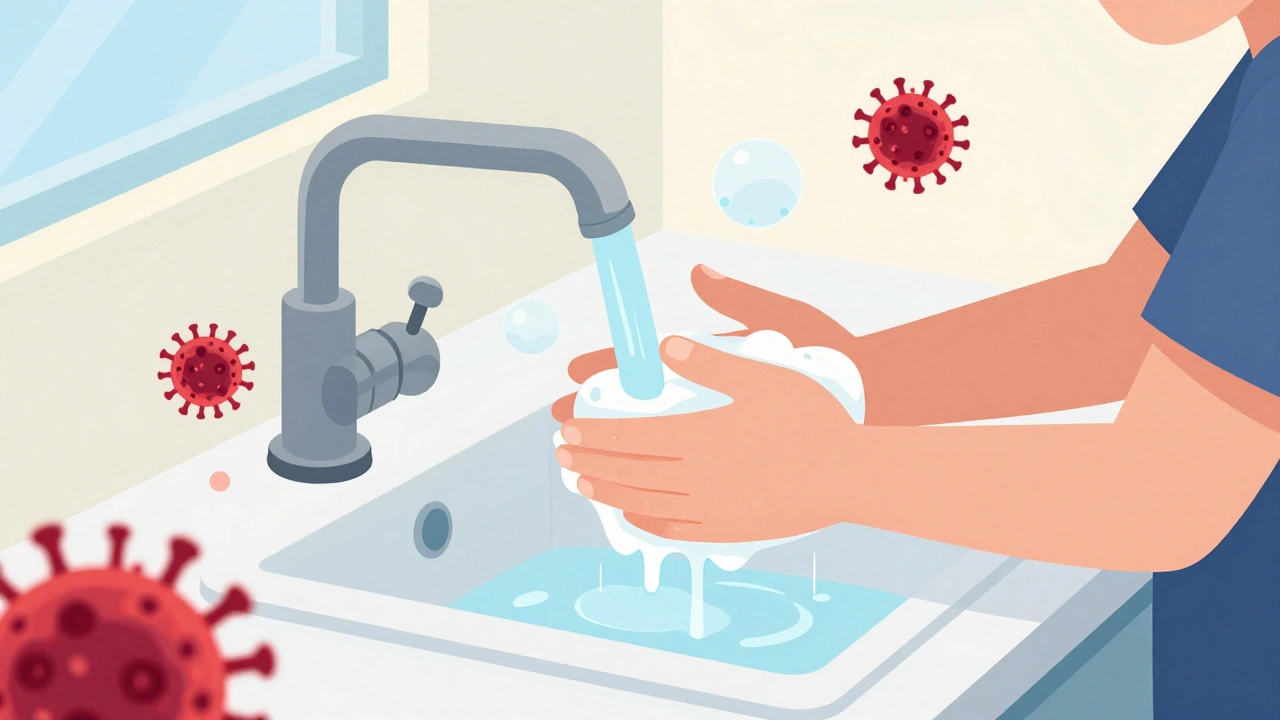
Hepatitis A: What It Is, How to Prevent It, and How Long Recovery Takes
- Dec, 2 2025
- 10
Hepatitis A is a short-term liver infection that spreads through contaminated food or poor hygiene. Learn how it starts, how long recovery takes, and how to prevent it with the vaccine.
Categories
- Medication Information (122)
- Health and Wellness (52)
- Women's Health (7)
- Mental Health (5)
- Support Resources (5)
- Supplements (5)
- Pharmacy Reviews (5)
- Dermatology (4)
- Nutrition (3)
- Fitness and Wellness (3)
Archives
- April 2026 (1)
- March 2026 (10)
- February 2026 (12)
- January 2026 (27)
- December 2025 (30)
- November 2025 (24)
- October 2025 (29)
- September 2025 (14)
- August 2025 (2)
- July 2025 (7)
- June 2025 (2)
- May 2025 (3)
- online pharmacy
- dietary supplement
- medication safety
- health benefits
- side effects
- generic drugs
- drug interactions
- treatment
- wellness
- optimal health
- diabetes management
- safe medication purchase
- online pharmacy Australia
- brand name drugs
- authorized generics
- generic medications
- medication side effects
- link
- women's health
- dietary supplements