
Hepatitis A Recovery: What to Expect and How to Stay Safe
When you hear hepatitis A, a viral infection that causes inflammation of the liver, usually spread through contaminated food or water. It's not the same as hepatitis B or C — it doesn't turn chronic, and most people bounce back fully. What makes hepatitis A recovery different is how fast it happens, how simple the care is, and how easily it spreads if you don’t know the signs. You don’t need fancy treatment. Rest, fluids, and avoiding alcohol are the real keys.
But here’s what most people miss: foodborne transmission, how hepatitis A moves from person to person through tainted food, often because an infected worker didn’t wash their hands is the biggest risk. That’s why recovery isn’t just about your body healing — it’s about stopping the next person from getting sick. If you’ve been exposed, post-exposure prophylaxis, a shot of immune globulin or the hepatitis A vaccine given within two weeks of contact can prevent infection entirely. Timing matters more than anything. And if you’ve never been vaccinated, getting the hepatitis A vaccine, a two-dose series that gives lifelong protection isn’t just smart — it’s the easiest way to avoid the whole mess.
Your liver can handle hepatitis A better than most organs handle anything. Most people feel tired and nauseous for a few weeks, then start feeling normal again. But during recovery, your liver is still healing. That’s why drinking alcohol, taking extra painkillers like ibuprofen, or skipping meals can slow things down. You’re not just resting your body — you’re protecting your liver. And if you’re over 50 or have another liver condition like cirrhosis, recovery takes longer and carries more risk. That’s why knowing your health history matters.
There’s no magic pill for hepatitis A recovery. No supplement, no detox tea, no special diet will speed it up. But there are real, proven steps: wash your hands after using the bathroom, before eating, and after changing diapers. Clean surfaces with bleach if someone in your home is sick. And if you’ve traveled to a place with poor sanitation, think about whether you’ve been exposed. The virus doesn’t care if you’re young and healthy — it only cares if you’re not protected.
The posts below give you the real details: how the virus spreads in restaurants, what to do if you ate at a place with an outbreak, why the vaccine works even after exposure, and how liver function tests track your recovery. You’ll find stories from people who got sick, what helped them feel better, and what mistakes to avoid. No fluff. Just what you need to recover safely — and keep others from getting sick too.
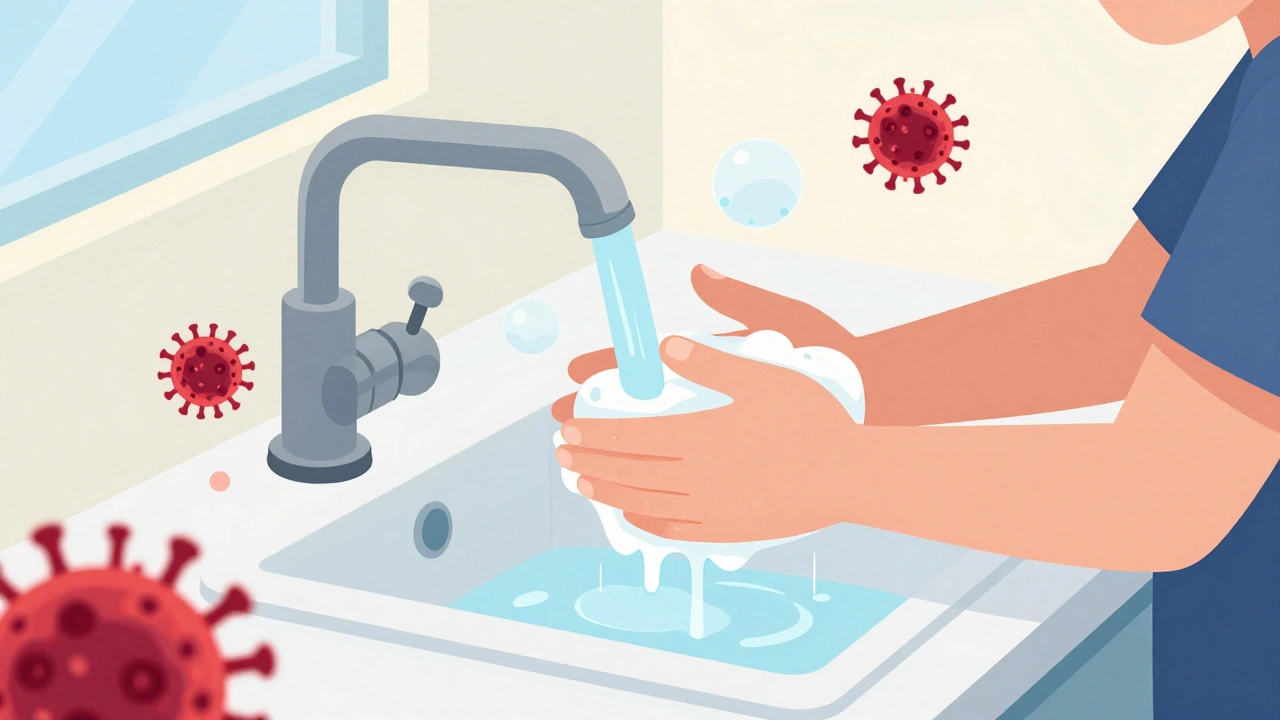
Hepatitis A: What It Is, How to Prevent It, and How Long Recovery Takes
- Dec, 2 2025
- 10
Hepatitis A is a short-term liver infection that spreads through contaminated food or poor hygiene. Learn how it starts, how long recovery takes, and how to prevent it with the vaccine.
Categories
- Medication Information (122)
- Health and Wellness (52)
- Women's Health (7)
- Mental Health (5)
- Support Resources (5)
- Supplements (5)
- Pharmacy Reviews (5)
- Dermatology (4)
- Nutrition (3)
- Fitness and Wellness (3)
Archives
- April 2026 (1)
- March 2026 (10)
- February 2026 (12)
- January 2026 (27)
- December 2025 (30)
- November 2025 (24)
- October 2025 (29)
- September 2025 (14)
- August 2025 (2)
- July 2025 (7)
- June 2025 (2)
- May 2025 (3)
- online pharmacy
- dietary supplement
- medication safety
- health benefits
- side effects
- generic drugs
- drug interactions
- treatment
- wellness
- optimal health
- diabetes management
- safe medication purchase
- online pharmacy Australia
- brand name drugs
- authorized generics
- generic medications
- medication side effects
- link
- women's health
- dietary supplements