
Hepatitis A: Causes, Prevention, and What You Need to Know
When you hear hepatitis A, a viral infection that causes inflammation of the liver. Also known as infectious hepatitis, it's one of the most common types of liver infections worldwide — and it’s often preventable. Unlike hepatitis B or C, hepatitis A doesn’t turn chronic. It doesn’t lead to cirrhosis or liver cancer. But that doesn’t mean it’s harmless. People can get really sick — fever, fatigue, nausea, dark urine, yellow skin — and it can land you in the hospital, especially if you’re over 50 or have another liver condition.
Hepatitis A vaccine, a safe and effective shot that prevents infection is the best defense. It’s given in two doses, six to twelve months apart, and protects you for life. You don’t need it just if you’re traveling — if you live in a place with outbreaks, work in healthcare, use drugs, or even eat at a restaurant where someone got sick, you could be at risk. The CDC recommends it for all kids at age one, and for adults who haven’t had it. It’s not expensive, and most insurance covers it.
Foodborne illness, how hepatitis A spreads is the real issue. The virus doesn’t float in the air. It’s in poop. If someone doesn’t wash their hands after using the bathroom and then handles food — like a salad, sandwich, or shellfish from contaminated water — you can get it. Outbreaks happen in restaurants, daycare centers, and even from frozen berries or raw oysters. It’s not about being dirty. It’s about how easily the virus moves in crowded or unclean settings.
There’s no special treatment for hepatitis A. No antiviral pills. No miracle cure. Your body clears it on its own, usually in a few weeks. But that doesn’t mean you should ignore it. Rest, fluids, and avoiding alcohol are critical. If you’re vomiting or can’t keep food down, you need medical help. And if you’ve been exposed and haven’t been vaccinated, getting the shot or immune globulin within two weeks can stop the infection before it starts.
Liver health isn’t just about alcohol or fatty foods. It’s also about what you eat, where you eat it, and who handled it before you did. Hepatitis A is a reminder that simple things — handwashing, vaccination, clean water — still save lives. You don’t need to be a traveler or a medical worker to care. If you’ve ever eaten a sandwich, drank tap water, or used a public restroom, you’re already in the risk zone. The good news? You’re not powerless.
The posts below cover real-world stories and practical advice — from how hepatitis A outbreaks affect families, to how vaccines are tracked in the UK, to what to do if you think you’ve been exposed. You’ll find no fluff. Just clear, direct info that helps you stay safe — or help someone else stay safe.
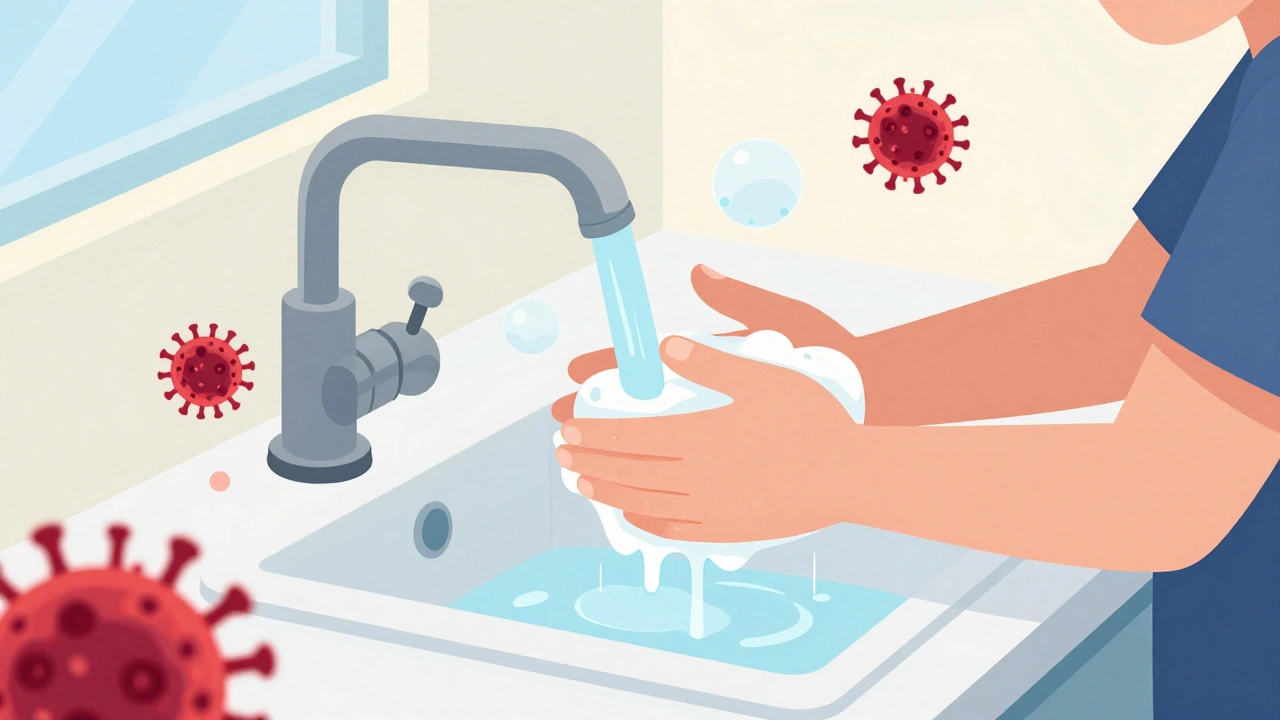
Hepatitis A: What It Is, How to Prevent It, and How Long Recovery Takes
- Dec, 2 2025
- 10
Hepatitis A is a short-term liver infection that spreads through contaminated food or poor hygiene. Learn how it starts, how long recovery takes, and how to prevent it with the vaccine.
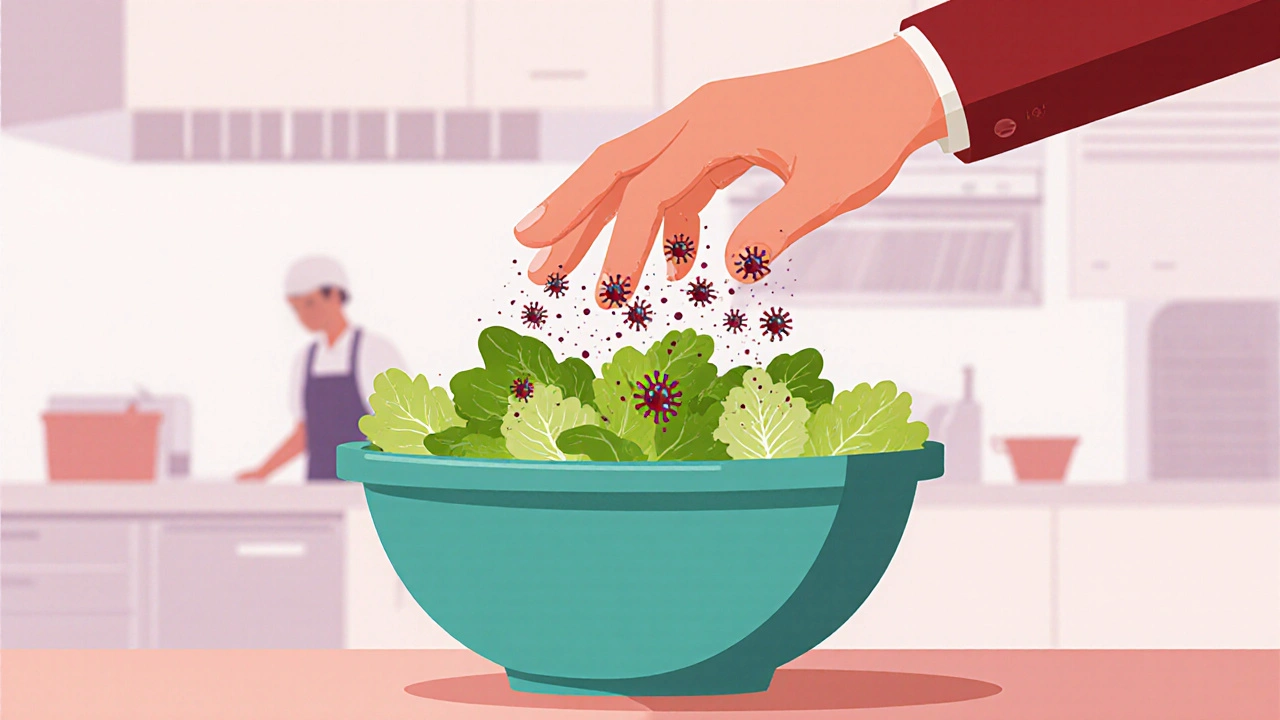
Hepatitis A: How Food Spreads the Virus and What to Do After Exposure
- Nov, 16 2025
- 10
Hepatitis A spreads easily through contaminated food, often from infected workers who don't wash their hands. Learn how it's transmitted, what to do after exposure, and how vaccines and hygiene can stop outbreaks before they start.
Categories
- Medication Information (122)
- Health and Wellness (52)
- Women's Health (7)
- Mental Health (5)
- Support Resources (5)
- Supplements (5)
- Pharmacy Reviews (5)
- Dermatology (4)
- Nutrition (3)
- Fitness and Wellness (3)
Archives
- April 2026 (1)
- March 2026 (10)
- February 2026 (12)
- January 2026 (27)
- December 2025 (30)
- November 2025 (24)
- October 2025 (29)
- September 2025 (14)
- August 2025 (2)
- July 2025 (7)
- June 2025 (2)
- May 2025 (3)
- online pharmacy
- dietary supplement
- medication safety
- health benefits
- side effects
- generic drugs
- drug interactions
- treatment
- wellness
- optimal health
- diabetes management
- safe medication purchase
- online pharmacy Australia
- brand name drugs
- authorized generics
- generic medications
- medication side effects
- link
- women's health
- dietary supplements