
Hepatic Impairment: What It Means for Your Medications and Health
When your liver isn’t working right, it’s not just about fatigue or bloating—it changes how every pill you take behaves in your body. hepatic impairment, a condition where liver function is reduced due to disease, injury, or chronic damage. Also known as liver dysfunction, it means your body can’t break down or clear drugs the way it should, leading to dangerous buildup or reduced effectiveness. This isn’t rare. About 1 in 10 adults in the UK have some level of liver damage from alcohol, fatty liver, or long-term medication use, and many don’t even know it.
That’s why drug metabolism, the process where the liver breaks down medicines into forms your body can use or eliminate becomes critical. If your liver is impaired, drugs like statins, antibiotics, or painkillers can stick around too long, raising your risk of side effects. For example, a standard dose of a medication that’s safe for someone with healthy liver function might cause severe dizziness, nausea, or even organ damage in someone with hepatic impairment. The same goes for liver disease, a broad term covering conditions like cirrhosis, hepatitis, or non-alcoholic fatty liver disease. These aren’t just diagnoses—they’re red flags for your pharmacist and doctor when prescribing anything.
It’s not just about the drug itself. Your liver also handles how supplements, over-the-counter meds, and even some foods interact with your prescriptions. A simple pain reliever like ibuprofen, which most people take without thinking, can become risky if your liver is struggling. The same goes for antibiotics like trimethoprim or corticosteroids—both appear in our post collection because they’re commonly prescribed and carry hidden risks when liver function drops. Even something as routine as a thyroid pill can behave differently if your liver isn’t processing it properly.
Doctors don’t always check liver function before writing a script. That’s on you. If you’ve been told you have fatty liver, elevated liver enzymes, or have a history of heavy drinking, hepatitis, or long-term use of multiple meds, you need to speak up. Your medication safety depends on it. The posts below cover real-world cases where hepatic impairment changed how drugs worked—like how reduced statin doses became necessary, why certain antibiotics require monitoring, and how corticosteroid tapering gets more complicated when your liver is involved. You’ll find practical advice on what to ask your doctor, how to read labels for liver warnings, and which meds to avoid or adjust. This isn’t theory. It’s what keeps people out of the hospital.
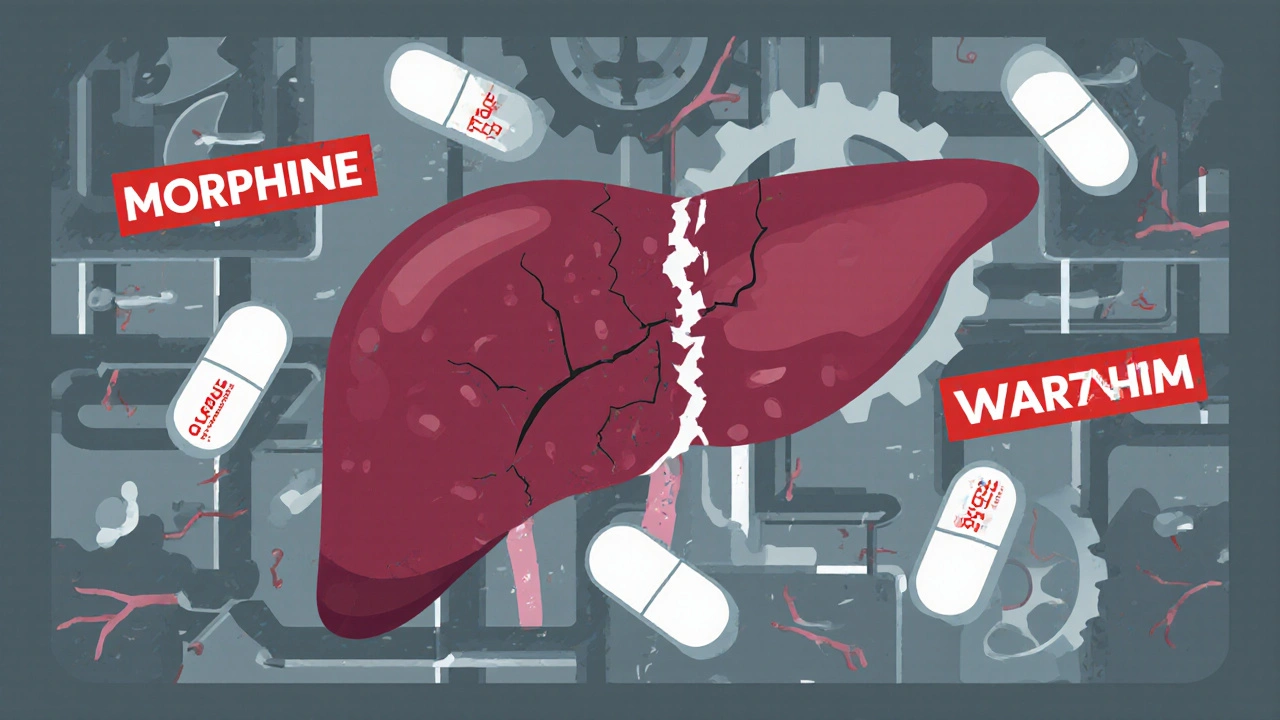
Liver Disease and Drug Metabolism: How Reduced Clearance Affects Medication Safety
- Nov, 30 2025
- 11
Liver disease reduces the body's ability to clear drugs, leading to dangerous buildup. Learn how cirrhosis affects metabolism, which medications are riskiest, and how dosing is adjusted based on liver function scores like Child-Pugh and MELD.
Categories
- Medication Information (123)
- Health and Wellness (52)
- Women's Health (7)
- Mental Health (5)
- Support Resources (5)
- Supplements (5)
- Pharmacy Reviews (5)
- Dermatology (4)
- Nutrition (3)
- Fitness and Wellness (3)
Archives
- April 2026 (2)
- March 2026 (10)
- February 2026 (12)
- January 2026 (27)
- December 2025 (30)
- November 2025 (24)
- October 2025 (29)
- September 2025 (14)
- August 2025 (2)
- July 2025 (7)
- June 2025 (2)
- May 2025 (3)
- online pharmacy
- dietary supplement
- medication safety
- health benefits
- side effects
- generic drugs
- drug interactions
- treatment
- wellness
- optimal health
- diabetes management
- safe medication purchase
- online pharmacy Australia
- brand name drugs
- authorized generics
- generic medications
- medication side effects
- link
- women's health
- bone health