
Gliflozins Side Effects: What You Need to Know Before Taking SGLT2 Inhibitors
When you hear gliflozins, a class of diabetes drugs that help the kidneys remove sugar from the body. Also known as SGLT2 inhibitors, they’re not just another pill—they’re a tool that changes how your body handles glucose, fluid, and even energy. But like any powerful tool, they come with risks you can’t afford to ignore.
These drugs—like dapagliflozin, the active ingredient in Dapasmart, used to lower blood sugar and reduce heart failure risk, canagliflozin, linked to lower kidney disease progression in type 2 diabetes, and empagliflozin, shown in trials to cut heart-related deaths in high-risk patients—don’t just lower blood sugar. They make your kidneys flush out extra sugar, water, and sodium. That’s why you might lose weight and see your blood pressure drop. But that same mechanism can lead to dehydration, dizziness, or even serious infections. You’re not just taking a sugar-lowering pill—you’re changing how your body manages fluids and electrolytes.
The most common side effects? Urinary tract infections and yeast infections, especially in women. Why? Because sugar in your urine feeds bacteria and fungi. You might also notice increased urination, dry mouth, or fatigue. More serious, though rare, risks include diabetic ketoacidosis—even when your blood sugar isn’t high—and sudden kidney function drops, especially if you’re dehydrated or on blood pressure meds. Men may face a higher risk of genital infections, and there’s a small but real chance of bone fractures or foot amputations with canagliflozin. These aren’t theoretical risks. Real patients report them. And if you have kidney problems, heart failure, or are over 65, your doctor needs to adjust your dose or avoid these drugs entirely.
Gliflozins aren’t dangerous if you know what to watch for. But they’re not harmless either. That’s why the posts below cover everything from how they interact with other meds like diuretics and insulin, to what to do if you feel lightheaded after a workout, to why some people stop taking them because of side effects no one warned them about. You’ll find real-world stories, clinical warnings, and practical advice on spotting trouble early. This isn’t just about diabetes—it’s about staying safe while your body adjusts to a new way of working. What you learn here could keep you out of the hospital.
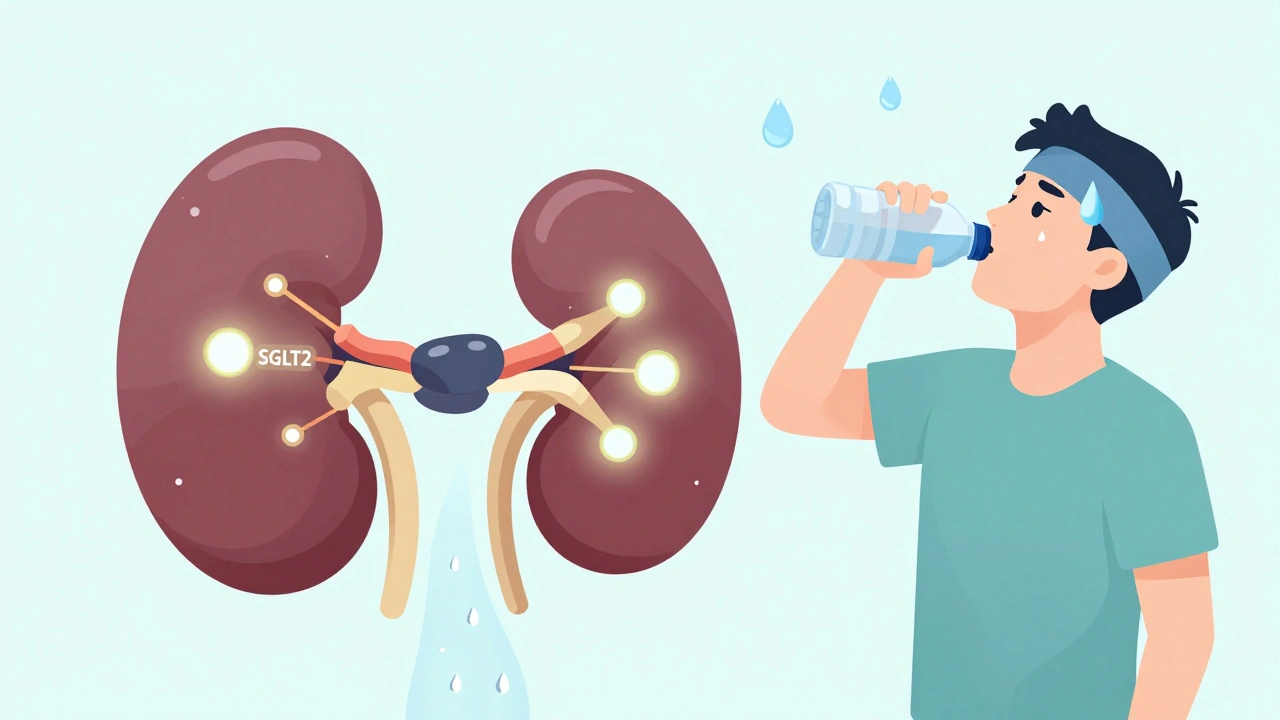
SGLT2 Inhibitor Side Effects: Dehydration, Dizziness, and Blood Pressure Changes Explained
- Dec, 1 2025
- 15
SGLT2 inhibitors help lower blood sugar and protect the heart and kidneys, but they can cause dehydration, dizziness, and low blood pressure. Learn who’s at risk and how to stay safe while taking them.
Categories
- Medication Information (122)
- Health and Wellness (52)
- Women's Health (7)
- Mental Health (5)
- Support Resources (5)
- Supplements (5)
- Pharmacy Reviews (5)
- Dermatology (4)
- Nutrition (3)
- Fitness and Wellness (3)
Archives
- April 2026 (1)
- March 2026 (10)
- February 2026 (12)
- January 2026 (27)
- December 2025 (30)
- November 2025 (24)
- October 2025 (29)
- September 2025 (14)
- August 2025 (2)
- July 2025 (7)
- June 2025 (2)
- May 2025 (3)
- online pharmacy
- dietary supplement
- medication safety
- health benefits
- side effects
- generic drugs
- drug interactions
- treatment
- wellness
- optimal health
- diabetes management
- safe medication purchase
- online pharmacy Australia
- brand name drugs
- authorized generics
- generic medications
- medication side effects
- link
- women's health
- dietary supplements