
Elevated Liver Enzymes: What It Means and How Medications Affect Your Liver
When your blood tests show elevated liver enzymes, markers like ALT and AST that rise when liver cells are damaged or inflamed. Also known as hepatic transaminase elevation, it’s not a disease itself—but a red flag your liver is under stress. Many people find out they have this during routine checkups, and panic. But it’s more common than you think, and often reversible.
This isn’t just about alcohol or fatty liver. drug metabolism, how your body breaks down medicines using liver enzymes plays a huge role. If your liver is already weakened—say from liver disease, a condition like cirrhosis or hepatitis that reduces the organ’s ability to process toxins—even common pills can pile up and cause damage. That’s why medications like statins, antibiotics, or painkillers can trigger enzyme spikes in some people but not others. Your liver doesn’t work the same as your neighbor’s. Dose adjustments, like those used for hepatic impairment, when the liver can’t clear drugs efficiently, requiring lower doses or safer alternatives, aren’t just medical jargon—they’re lifesavers.
It’s not just about what you take, but what else is going on in your body. Drug-disease interactions, like how heart failure meds can strain your liver, or how antibiotics like trimethoprim can push potassium levels up and indirectly stress your organs, all tie back to this. And if you’re on multiple meds, the risk isn’t just additive—it’s exponential. That’s why keeping a record of every pill, supplement, and over-the-counter drug matters. You might not think a protein shake or a daily ibuprofen matters, but if your liver’s already working hard, those small things add up.
What you’ll find in the posts below isn’t a list of scary diagnoses. It’s a practical guide to understanding what’s really happening when your liver enzymes climb. You’ll see how common drugs like statins, antibiotics, and even steroids affect liver function. You’ll learn how kidney problems, aging, and chronic conditions change how your body handles meds. And you’ll get real, no-fluff advice on what to ask your doctor, how to spot early warning signs, and when to push back on a prescription that might be doing more harm than good. This isn’t about fear. It’s about control.
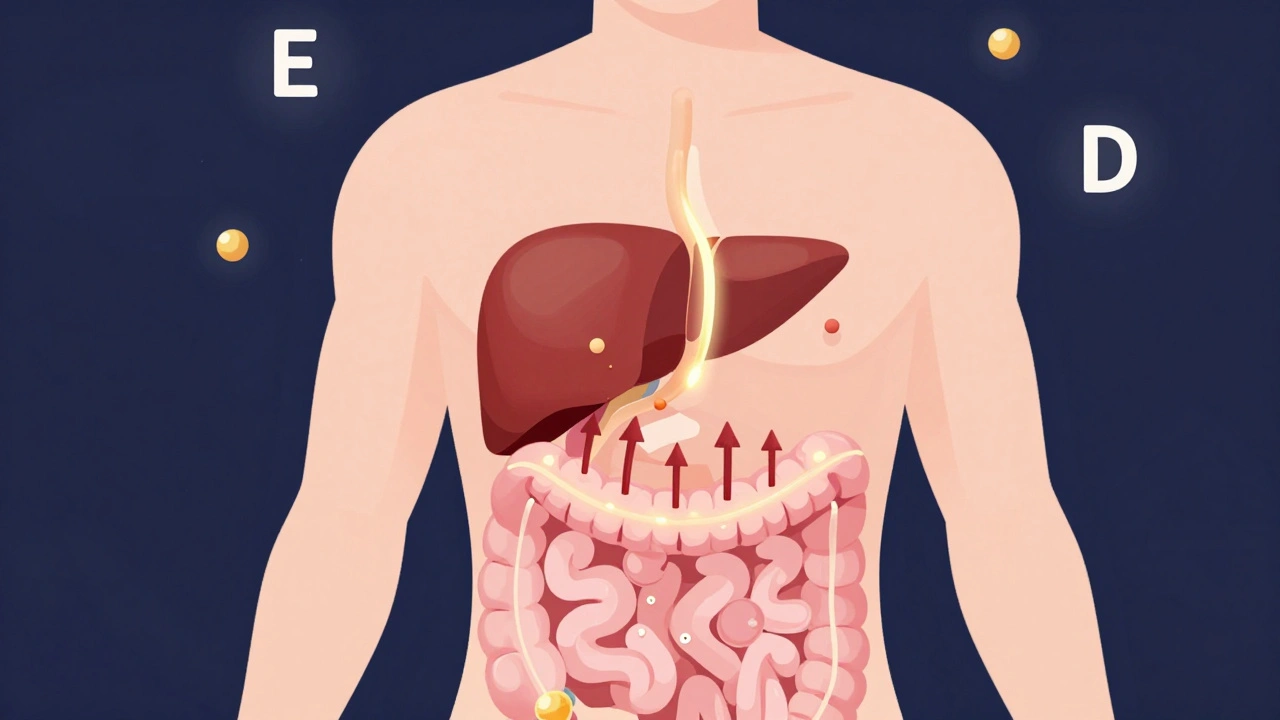
Celiac Disease and Liver Abnormalities: What Links Them
- Dec, 5 2025
- 10
Celiac disease can cause liver enzyme elevations and fatty liver in up to 40% of untreated cases. The good news? Most liver abnormalities reverse with a strict gluten-free diet - but only if you eat whole foods, not processed gluten-free junk.
Categories
- Medication Information (122)
- Health and Wellness (52)
- Women's Health (7)
- Mental Health (5)
- Support Resources (5)
- Supplements (5)
- Pharmacy Reviews (5)
- Dermatology (4)
- Nutrition (3)
- Fitness and Wellness (3)
Archives
- April 2026 (1)
- March 2026 (10)
- February 2026 (12)
- January 2026 (27)
- December 2025 (30)
- November 2025 (24)
- October 2025 (29)
- September 2025 (14)
- August 2025 (2)
- July 2025 (7)
- June 2025 (2)
- May 2025 (3)
- online pharmacy
- dietary supplement
- medication safety
- health benefits
- side effects
- generic drugs
- drug interactions
- treatment
- wellness
- optimal health
- diabetes management
- safe medication purchase
- online pharmacy Australia
- brand name drugs
- authorized generics
- generic medications
- medication side effects
- link
- women's health
- dietary supplements