
Cortisone Shot: What It Is, How It Works, and What You Need to Know
When you get a cortisone shot, a type of injection that delivers a powerful anti-inflammatory steroid directly into a joint, tendon, or soft tissue. Also known as corticosteroid injection, it's one of the most common ways doctors quickly reduce swelling and pain in conditions like arthritis, tendonitis, or bursitis. Unlike oral steroids that affect your whole body, a cortisone shot targets the problem area—giving relief without the full-body side effects. But that doesn’t mean it’s risk-free.
Many people assume cortisone shots are a quick fix, but they’re not a cure. They work by suppressing the immune response in a localized area, which reduces inflammation and calms pain signals. The effects can last from a few weeks to several months, depending on the condition and the person. But if you’ve had more than two or three shots in the same spot over a year, your doctor might hold off—too much can weaken tendons, damage cartilage, or even cause bone thinning. And if you’re on long-term steroids for something like asthma or autoimmune disease, getting a cortisone shot can throw off your body’s natural cortisol rhythm. That’s why adrenal insufficiency, a condition where your body can’t make enough cortisol after stopping steroids too fast is a real concern. It’s not common, but it happens, especially if you stop corticosteroids abruptly after regular use.
Another thing to know: cortisone shots aren’t for everyone. If you have an infection near the injection site, uncontrolled diabetes, or a bleeding disorder, your doctor will likely skip it. And while they’re great for sudden flare-ups, they don’t fix the root cause—like worn-out joints or overused tendons. That’s why physical therapy, weight management, or activity changes often go hand-in-hand with the shot. Even the topical steroid potency chart, a tool doctors use to match steroid strength to skin condition and body area, shows how carefully dosing matters. What’s safe on your knee might be too strong for your face. The same logic applies to injections.
What you’ll find below are real, practical insights from people who’ve been there. Posts cover how to manage side effects after a shot, why some people feel worse before they feel better, how often is too often, and what alternatives exist when cortisone isn’t an option. You’ll also see how cortisone fits into the bigger picture of steroid use—from tapering off safely to understanding how it affects your hormones. This isn’t marketing fluff. These are the details doctors don’t always have time to explain, but you need to know before you say yes to the next injection.
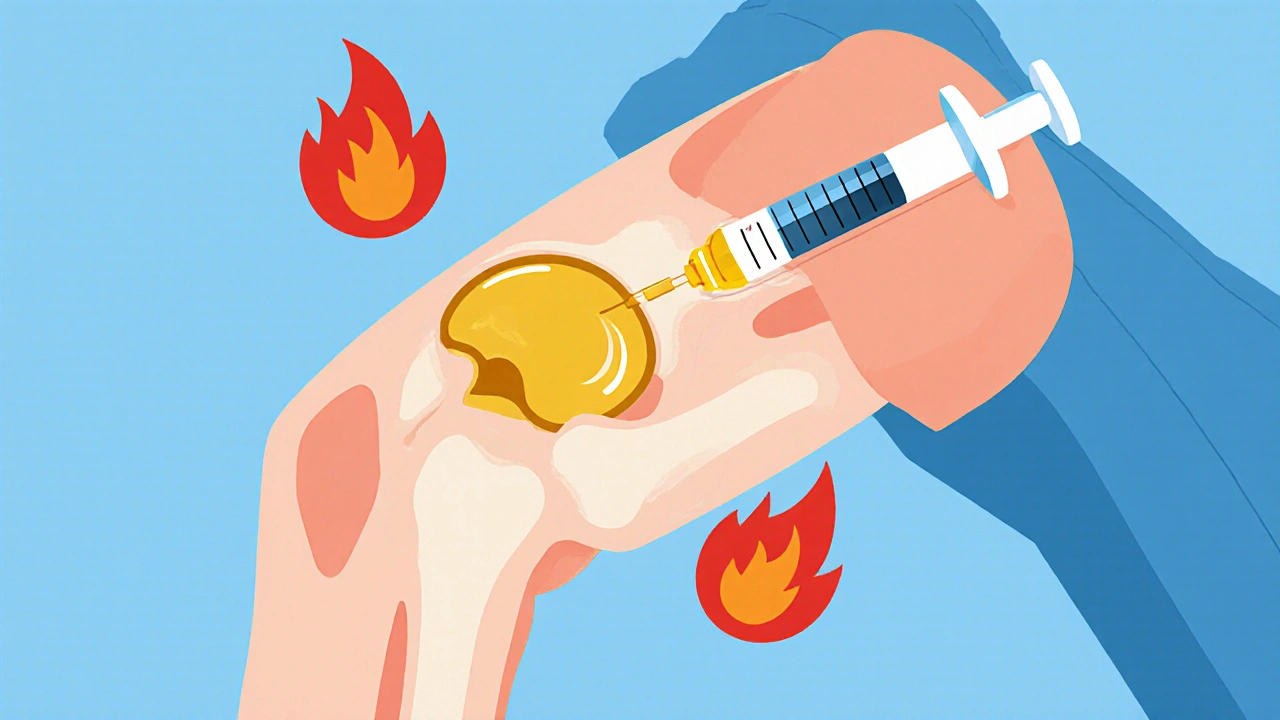
Corticosteroid Injections for Joint Pain: What They Do, How They Work, and When to Avoid Them
- Nov, 28 2025
- 12
Corticosteroid injections offer fast relief for joint inflammation but aren't a cure. Learn how they work, who benefits most, the risks of repeated use, and what alternatives exist.
Categories
- Medication Information (121)
- Health and Wellness (52)
- Women's Health (7)
- Mental Health (5)
- Support Resources (5)
- Supplements (5)
- Pharmacy Reviews (5)
- Dermatology (4)
- Nutrition (3)
- Fitness and Wellness (3)
Archives
- March 2026 (10)
- February 2026 (12)
- January 2026 (27)
- December 2025 (30)
- November 2025 (24)
- October 2025 (29)
- September 2025 (14)
- August 2025 (2)
- July 2025 (7)
- June 2025 (2)
- May 2025 (3)
- April 2025 (4)
- online pharmacy
- dietary supplement
- medication safety
- health benefits
- side effects
- generic drugs
- drug interactions
- treatment
- wellness
- optimal health
- diabetes management
- safe medication purchase
- online pharmacy Australia
- brand name drugs
- authorized generics
- generic medications
- medication side effects
- link
- women's health
- dietary supplements