
Corticosteroid Injections: What They Are, How They Work, and What You Need to Know
When you get a corticosteroid injection, a powerful anti-inflammatory medication delivered directly into a joint, tendon, or soft tissue. Also known as steroid shot, it’s one of the most common ways doctors quickly reduce swelling and pain—especially in arthritis, tendonitis, or bursitis. Unlike oral steroids, these injections target the problem area, so you get relief with less overall body exposure. But they’re not magic. Too many, too often, and they can weaken tendons, damage cartilage, or even shut down your body’s natural cortisol production.
Corticosteroid taper, the gradual reduction of steroid use after long-term treatment. Also known as steroid weaning, it’s critical if you’ve been on these shots—or pills—for more than a few weeks. Your adrenal glands, which normally make cortisol, can go quiet from the extra steroids. If you stop suddenly, you could crash into adrenal insufficiency, a condition where your body can’t produce enough stress hormone. Also known as adrenal crisis, it causes extreme fatigue, dizziness, nausea, and even shock—requiring emergency treatment. That’s why timing and dosage matter. A single joint injection might not need tapering, but repeated shots over months? That’s a different story.
These injections work fast—often within days—but they’re not a cure. They mask inflammation, not fix the root cause. That’s why they’re best paired with physical therapy, weight management, or activity changes. For example, someone with knee osteoarthritis might get a shot to reduce pain enough to start walking again, then build muscle to protect the joint long-term. But if you keep getting shots every few months without changing anything else, you’re just delaying the inevitable: more damage, more pain, and maybe even a replacement joint sooner than you’d like.
Not everyone responds the same. People with diabetes might see blood sugar spikes. Those with infections near the injection site risk spreading it. And if you’ve had a bad reaction before—like skin thinning, mood swings, or elevated blood pressure—you need to talk to your doctor before another one. The same goes for pregnant women, people with osteoporosis, or anyone on blood thinners.
The real question isn’t just whether corticosteroid injections help—it’s whether they’re the right tool for your situation right now. Some people get years of relief from one or two shots. Others find no benefit at all. And if you’ve had more than three in a year in the same spot? That’s a red flag. There are safer, longer-lasting options now, from platelet-rich plasma to targeted physical rehab programs. You deserve to know what else is out there.
Below, you’ll find real-world insights from people who’ve been through these injections—the good, the bad, and the unexpected. From how to spot early signs of adrenal suppression to why some shots work wonders while others do nothing, these posts cut through the noise. You won’t find fluff here. Just clear, practical advice based on what actually happens in clinics and homes.
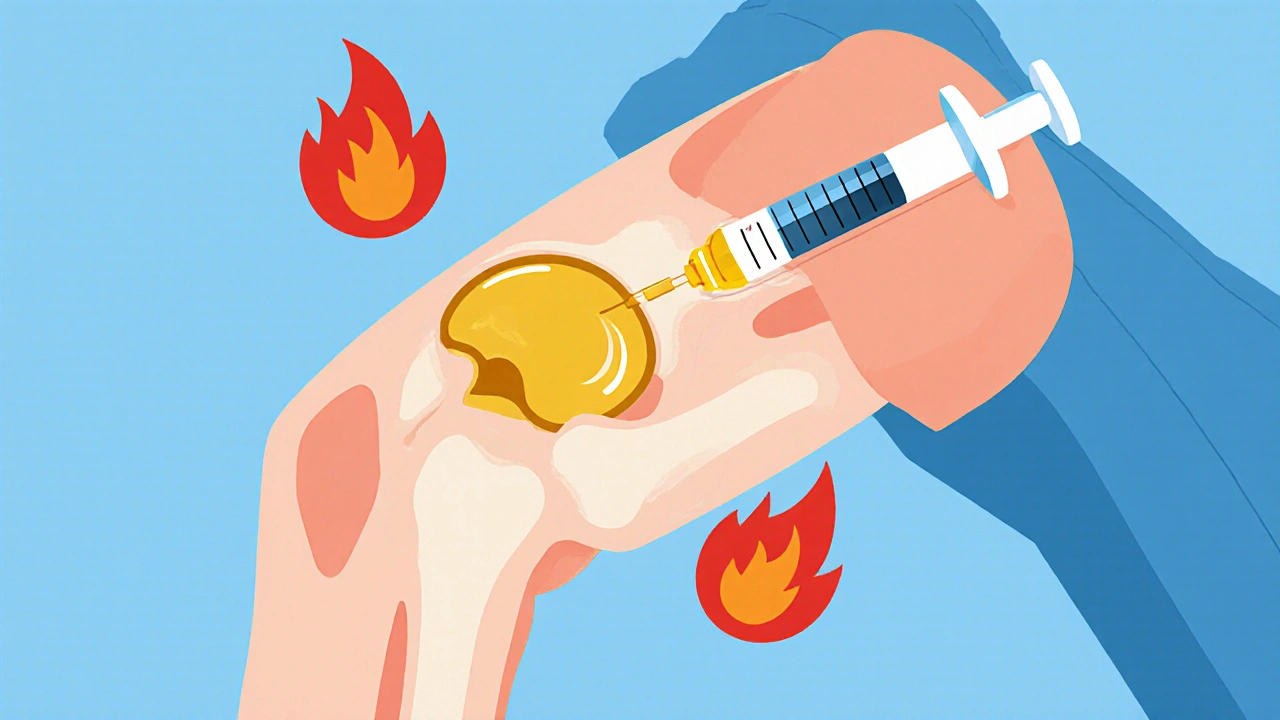
Corticosteroid Injections for Joint Pain: What They Do, How They Work, and When to Avoid Them
- Nov, 28 2025
- 12
Corticosteroid injections offer fast relief for joint inflammation but aren't a cure. Learn how they work, who benefits most, the risks of repeated use, and what alternatives exist.
Categories
- Medication Information (121)
- Health and Wellness (52)
- Women's Health (7)
- Support Resources (5)
- Supplements (5)
- Pharmacy Reviews (5)
- Dermatology (4)
- Mental Health (4)
- Nutrition (3)
- Fitness and Wellness (3)
Archives
- March 2026 (9)
- February 2026 (12)
- January 2026 (27)
- December 2025 (30)
- November 2025 (24)
- October 2025 (29)
- September 2025 (14)
- August 2025 (2)
- July 2025 (7)
- June 2025 (2)
- May 2025 (3)
- April 2025 (4)
- online pharmacy
- dietary supplement
- medication safety
- health benefits
- side effects
- generic drugs
- drug interactions
- treatment
- wellness
- optimal health
- diabetes management
- safe medication purchase
- online pharmacy Australia
- brand name drugs
- authorized generics
- generic medications
- medication side effects
- link
- women's health
- dietary supplements