
Cerebral Aneurysm: Causes, Risks, and What You Need to Know
When a weak spot in a blood vessel in your brain bulges out like a balloon, that’s a cerebral aneurysm, a localized, abnormal dilation of a brain artery that can rupture and cause life-threatening bleeding. Also known as a brain aneurysm, it often shows no symptoms until it bursts—making it one of the most silent but dangerous threats to brain health. About 1 in 50 people have an unruptured cerebral aneurysm, and while most never cause problems, the ones that rupture lead to a subarachnoid hemorrhage—a type of stroke with a 40% fatality rate.
High blood pressure is the biggest driver behind these weak spots. It doesn’t just strain your heart—it slowly wears down artery walls in the brain, especially at branching points where blood flow gets turbulent. Smoking, heavy alcohol use, and family history pile on the risk. People with polycystic kidney disease or connective tissue disorders like Ehlers-Danlos are also more likely to develop them. And here’s something many don’t realize: hypertension, chronic high blood pressure that increases pressure on arterial walls doesn’t just raise your chance of getting one—it makes an existing aneurysm far more likely to rupture. That’s why controlling your blood pressure isn’t just about heart health; it’s a direct shield for your brain.
Another key player is ruptured aneurysm, the sudden, catastrophic event when the weakened vessel bursts, spilling blood into the space around the brain. The symptoms hit like a thunderclap: the worst headache of your life, nausea, stiff neck, blurred vision, or sudden loss of consciousness. Survivors often face long-term recovery, and many don’t make it to the hospital. That’s why knowing your risk factors matters—not to scare you, but to empower you. If you’ve had a family member with a ruptured aneurysm, or if you’re a smoker over 40 with high blood pressure, screening might be worth discussing with your doctor.
What you’ll find in these posts isn’t just theory. You’ll see real connections between cerebral aneurysm and other conditions we cover—like how NSAIDs can worsen fluid retention in people with vascular issues, how corticosteroid withdrawal affects blood pressure stability, and why managing cholesterol isn’t just about arteries in your heart but also those feeding your brain. These aren’t random links. They’re part of the same system. Your vascular health is one chain, and every link matters.
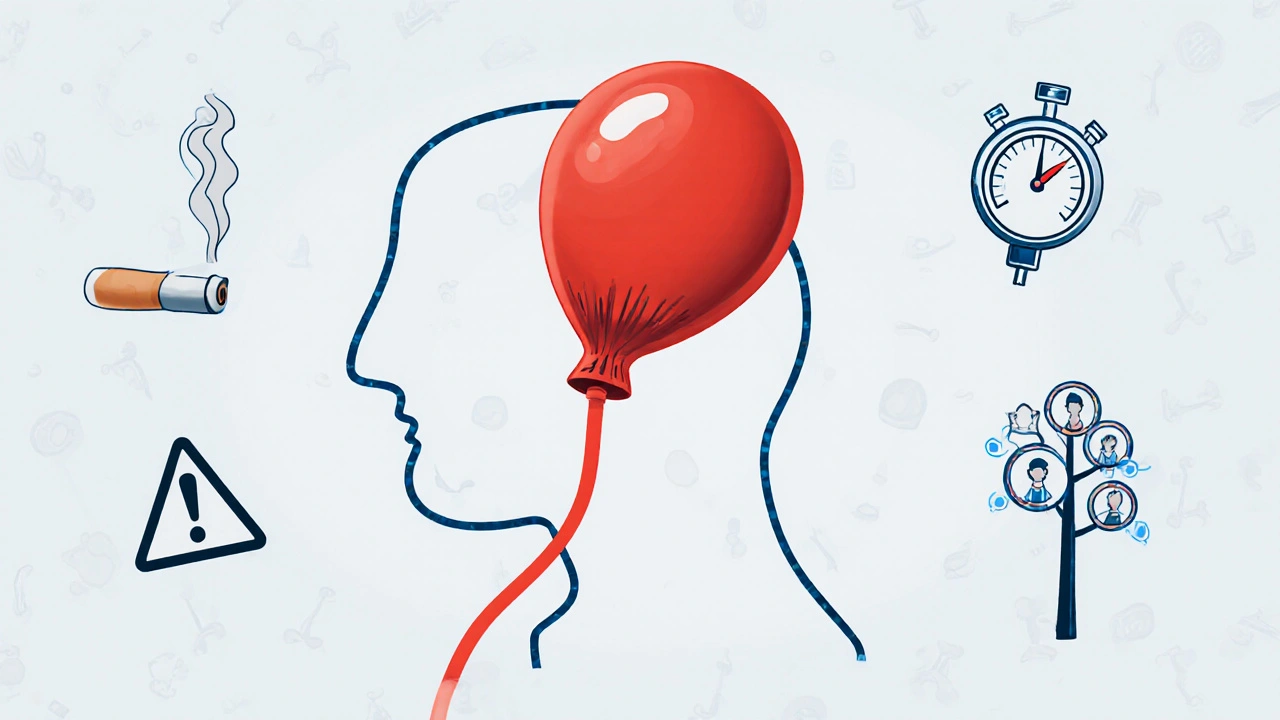
Cerebral Aneurysm: Understanding Rupture Risk and Modern Treatment Choices
- Nov, 19 2025
- 11
Cerebral aneurysms can be silent until they rupture. Learn what increases rupture risk, how doctors assess it with the PHASES score, and the three main treatment options - clipping, coiling, and flow diversion - with real-world success rates and recovery outcomes.
Categories
- Medication Information (123)
- Health and Wellness (52)
- Women's Health (7)
- Mental Health (5)
- Support Resources (5)
- Supplements (5)
- Pharmacy Reviews (5)
- Dermatology (4)
- Nutrition (3)
- Fitness and Wellness (3)
Archives
- April 2026 (2)
- March 2026 (10)
- February 2026 (12)
- January 2026 (27)
- December 2025 (30)
- November 2025 (24)
- October 2025 (29)
- September 2025 (14)
- August 2025 (2)
- July 2025 (7)
- June 2025 (2)
- May 2025 (3)
- online pharmacy
- dietary supplement
- medication safety
- health benefits
- side effects
- generic drugs
- drug interactions
- treatment
- wellness
- optimal health
- diabetes management
- safe medication purchase
- online pharmacy Australia
- brand name drugs
- authorized generics
- generic medications
- medication side effects
- link
- women's health
- bone health