
ANDA Process: How Generic Drugs Get Approved and Lower Your Prescription Costs
When you pick up a generic pill at the pharmacy, you’re seeing the result of the ANDA process, a regulatory pathway used by the FDA to approve generic versions of brand-name drugs without repeating expensive clinical trials. Also known as the Abbreviated New Drug Application, it’s the main reason generic drugs cost up to 85% less than their brand-name equivalents. This isn’t magic—it’s a legal and scientific shortcut built into U.S. drug law to make medicines affordable without sacrificing safety.
The Hatch-Waxman Act, a 1984 law that balanced patent rights with generic competition created the ANDA framework. It lets generic manufacturers prove their drug is the same as the brand one—same active ingredient, same dose, same way it works—without redoing years of human trials. Instead, they show bioequivalence: their version delivers the same amount of medicine into your bloodstream at the same rate. That’s it. This is why you see so many generic versions of common drugs like lisinopril, metformin, or atorvastatin. And it’s why the ANDA process has saved U.S. consumers over $1.6 trillion since 1984, according to the FDA.
The FDA, the U.S. agency that reviews and approves all drug applications doesn’t cut corners. Every ANDA gets a full review. They check manufacturing sites, inspect facilities, and verify that the generic drug meets the same quality standards as the brand. They even test for impurities and stability. But they don’t require new safety or effectiveness studies because the original brand drug already proved those. The real work happens in chemistry and manufacturing—not in clinical trials.
Some companies use Paragraph IV certifications under the ANDA process to challenge brand patents early. This is how generics enter the market before the original patent expires—leading to price drops and more choices. You’ll find this in posts about generic drug entry and patent litigation. It’s a legal race, but it’s one that benefits you at the pharmacy counter.
Behind every generic pill is a detailed application, precise testing, and strict oversight. The ANDA process isn’t just paperwork—it’s the engine that keeps prescription costs down and access up. Whether you’re on a statin, an antibiotic, or a thyroid med, chances are you’re using a drug that went through this system. And if you’ve ever wondered why your co-pay dropped from $120 to $10, this is why.
Below, you’ll find real-world examples of how this system works—from patent challenges that speed up access to how generic manufacturers meet exacting standards. These aren’t theoretical discussions. They’re the stories behind the pills you take every day.
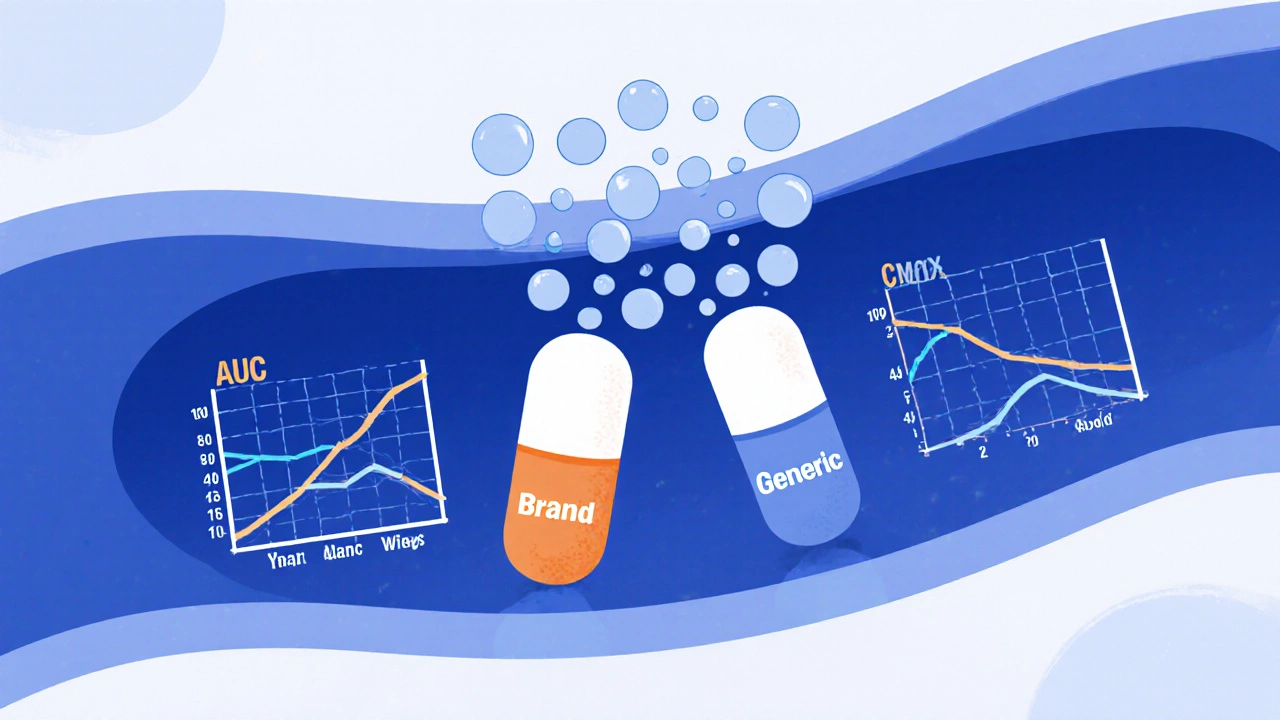
How the FDA Ensures Generic Drugs Work the Same as Brand-Name Medications
- Nov, 26 2025
- 8
The FDA ensures generic drugs work the same as brand-name medications through strict bioequivalence testing, identical active ingredients, and rigorous manufacturing standards-saving billions annually while maintaining safety and effectiveness.
Categories
- Medication Information (120)
- Health and Wellness (52)
- Women's Health (7)
- Support Resources (5)
- Supplements (5)
- Pharmacy Reviews (5)
- Dermatology (4)
- Mental Health (4)
- Nutrition (3)
- Fitness and Wellness (3)
Archives
- March 2026 (8)
- February 2026 (12)
- January 2026 (27)
- December 2025 (30)
- November 2025 (24)
- October 2025 (29)
- September 2025 (14)
- August 2025 (2)
- July 2025 (7)
- June 2025 (2)
- May 2025 (3)
- April 2025 (4)
- online pharmacy
- dietary supplement
- medication safety
- health benefits
- side effects
- generic drugs
- drug interactions
- treatment
- wellness
- optimal health
- diabetes management
- safe medication purchase
- online pharmacy Australia
- brand name drugs
- authorized generics
- generic medications
- medication side effects
- link
- women's health
- dietary supplements