
Why Your Pills Changed Color: Generic Safety, Laws, and Patient Impact
 Mar, 30 2026
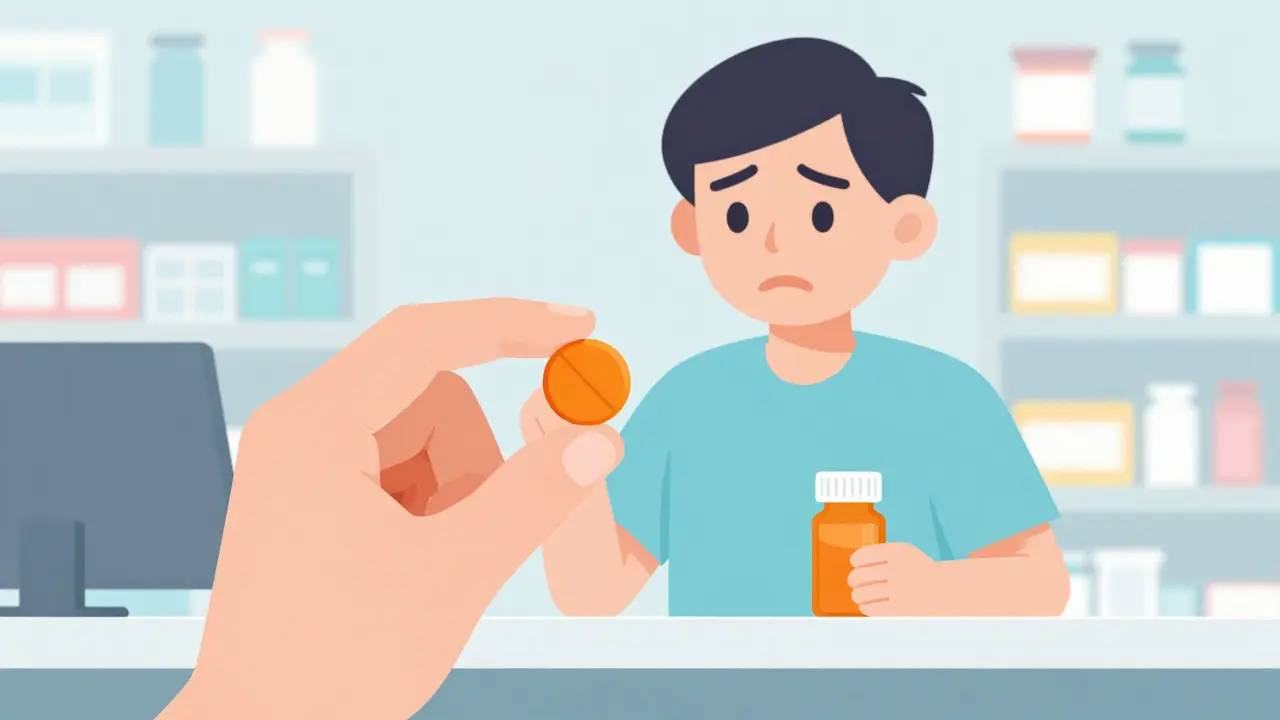
You walk into your local pharmacy, pick up your familiar prescription, and open the bottle. Something feels wrong. That bright orange tablet you've taken every morning for years is now a small white capsule. Your stomach tightens. Is this the right medicine? Did the pharmacy make a mistake? You aren't alone. This confusion happens to millions of Americans annually.
The good news is simple: When generic drugs change appearance, they are almost always safe, legally approved, and medically equivalent to what you received before. But that peace of mind doesn't fix the anxiety. Understanding exactly why these changes happen-and knowing how to verify them-can save your health routine from falling apart.
The Reason Behind the Visual Shift
To understand why your blood pressure med looks different today than it did last month, you need to know how U.S. trademark law works alongside pharmaceutical regulations. A brand-name drug company invests millions into developing a specific shape and color for their pill. When the patent expires, Generic Manufacturers can produce the same medication, but they cannot copy the trade dress (the unique look) of the original brand. Trademark Protection prevents these new competitors from making a generic look identical to the brand-name version. Instead, Manufacturer A might choose a pink round pill, while Manufacturer B produces a blue oval. Since pharmacies often switch suppliers based on price availability, your physical supply of pills rotates through these different looks even though the medical purpose remains identical.
This isn't limited to just one manufacturer. According to PBA Health data, generic medications account for more than 70% of all prescriptions filled in the United States. With dozens of companies producing the exact same compound, visual variety is inevitable. While frustrating for patients who rely on recognition, this variability is a legal requirement designed to protect intellectual property.
Bioequivalence: What Actually Matters
If the outside of the pill varies, does the inside work the same way? Absolutely. This concept is called bioequivalence. The U.S. Food and Drug Administration (FDA) defines bioequivalence as a drug having the same rate and extent of absorption as the brand-name product. Before a generic hits the shelves, it must prove it works identically in human bodies.
Think of it like two different cars built to travel at the exact same top speed. One might be red with a manual transmission, and the other white with automatic gears. If both get you from point A to point B safely and at the same speed, the mechanics are effectively equal.
- What Must Be Identical: The Active Pharmaceutical Ingredient (API), strength, dosage form, route of administration, and purity standards.
- What Can Vary: Colors, binders, fillers, dyes, size, and shape.
A common misconception is that "inactive" ingredients don't matter at all. While they don't provide the therapeutic effect, the FDA ensures they are non-toxic and stable. However, the primary goal remains therapeutic performance. As Pfizer notes in their compliance guidelines, generic drugs must demonstrate identity, strength, quality, and purity under Good Manufacturing Practice (GMP) regulations just like their brand counterparts.

The Psychology of Adherence and Risk
Safety is proven scientifically, but trust is psychological. When a patient loses confidence in a medication's identity, they stop taking it. This creates a significant public health risk.
Data from a study published in the Annals of Internal Medicine reveals a startling reality. Researchers found a 34% likelihood of patients discontinuing medication after a color change. If the shape changes, that probability jumps to 66%. Imagine someone managing hypertension or diabetes skipping doses because the pill looks unfamiliar. That leads to uncontrolled blood sugar, stroke risk, or heart failure, even though the replacement medication would have worked perfectly fine.
Patient Adherence is defined as the extent to which a patient takes medication according to prescribed directions. Visual cues play a massive role here. Many older adults recognize their meds by sight rather than reading the label every time. When a trusted orange tablet turns white, the immediate instinct is to throw it away or call the doctor, often causing unnecessary delays in treatment.
| Attribute | Brand Name | Generic Medication |
|---|---|---|
| Pill Appearance | Consistent single source | Varies by manufacturer |
| Cost Factor | Higher price | 80-85% lower cost |
| FDA Regulation | New Drug Application (NDA) | ANDA (Abbreviated New Drug Application) |
| Active Ingredient | Identical molecule | Identical molecule |
Navigating Legal Rights and Labels
Many patients worry if they have legal recourse when their pills change look. Unfortunately, the law currently supports the industry's right to change appearance. However, transparency has improved. The MODERN Labeling Act of 2020 established mechanisms for updating labeling requirements based on new evidence.
In late 2025, the FDA issued a Federal Register notice implementing Section 505(o)(4), authorizing them to require labeling changes based on safety info. While this focuses on text warnings, the general trend shows regulators acknowledging that clarity aids safety. Independent pharmacies are increasingly adopting programs to identify appearance changes. Recent analysis by the National Community Pharmacists Association indicates that 63% of independent pharmacies implemented identification programs to address these concerns, a major increase from 2020.
Your primary "right" is the ability to request the specific brand or manufacturer if a change causes issues. Insurance plans may cover brand-name costs if you demonstrate a specific medical inability to tolerate generics, though this requires doctor authorization. Always keep your prescription details updated with your insurance provider to avoid confusion during claims processing.

Practical Strategies for Patients
How do you handle the next time your bottle arrives and the pills look different? Don't panic. Use a systematic approach to verify safety and rebuild comfort.
- Check the Bottle Label: The name of the drug and strength should match previous bottles. The National Drug Code (NDC) number printed on the box can help verify the manufacturer.
- Consult the Pharmacist: Ask specifically: "Which manufacturer produced this batch?" If a specific manufacturer consistently provides the correct size/color for you, ask them to stock that vendor whenever possible.
- Use Digital Tools: Websites like the NIH's Tracking Your Medications resource or Medscape's online pill identifier allow you to search by shape, color, and imprint code.
- Maintain a Log: Dr. Erin M. Noren advises keeping a current medication list and bringing actual bottles to every visit. This allows your physician to cross-reference changes against their knowledge of your history.
For patients who struggle significantly with these changes, doctors sometimes prescribe the brand-name version. While this saves the hassle of variable appearances, the cost burden shifts entirely to the patient unless an exception is filed. It is worth discussing with your healthcare team whether the extra expense buys enough stability for your health management.
Building Confidence in Generic Therapy
Generic drugs have revolutionized healthcare access, saving the system hundreds of billions of dollars annually. The variability we see in the bottle is the cost of that competition. By standardizing the internal chemical makeup but allowing external variation, the market drives prices down, but it taxes our patience.
Remember that the goal of the FDA's rigorous approval process is ensuring that every dose provides the intended benefit. Whether the pill is neon orange or stark white, the chemistry working in your body remains the same. Educating yourself on the distinction between "look" and "function" is the most powerful tool you have against non-adherence.
Is it safe to take a generic pill that looks different from the old one?
Yes. The FDA requires that generic drugs contain the same active ingredients and deliver the same therapeutic effect. Differences in color, shape, or size are due to different manufacturers using different inactive ingredients and are legally required.
Why do pharmacies change the manufacturer of my medication?
Pharmacies usually buy from the lowest-cost supplier available. Because many companies make the same generic drug, pharmacies may switch suppliers monthly to get better pricing, leading to visual changes in the pill.
Can I force my insurance to give me the same manufacturer?
Insurance plans generally do not guarantee a specific generic manufacturer. However, you can ask your doctor to write the prescription for a specific brand if the generic changes cause health issues, which may trigger coverage exceptions.
How do I verify if my medication was switched?
Look at the label for the manufacturer name and the National Drug Code (NDC). You can also use online pill identifier tools that let you match the pill's shape, color, and imprint codes to its database entries.
Do generic drugs expire faster than brand names?
No. Both must meet strict stability standards set by the FDA. The expiration date printed on the bottle is valid regardless of whether the pill is brand name or generic.
Kendell Callaway Mooney
March 30, 2026 AT 11:23Many people panic when they see a new color. They think the pharmacy made a mistake immediately. This reaction is often based on fear rather than facts. We need to trust the regulatory process in place. The FDA checks every single batch thoroughly before release. Manufacturers cannot simply dye pills any color they want. They must adhere to strict guidelines regarding appearance. Bioequivalence testing proves the drug works the same way inside you. Inactive ingredients differ because companies protect their trade secrets. Color is part of that intellectual property protection strategy. Checking the NDC number helps confirm the manufacturer identity. Pharmacists keep records of every switch they make for your supply. You can ask them directly about the source of the current bottle. Consistency is good for adherence but variability saves money overall. Understanding this distinction reduces unnecessary stress for everyone involved.
Cameron Redic
March 30, 2026 AT 11:31This happens all the time but nobody bothers to explain the legal reasons behind it properly.
Charles Rogers
April 1, 2026 AT 01:33The issue isn't really about the chemistry since that stays the same. It is purely about how we interpret visual cues from our past experiences. People get triggered easily when their routine gets disrupted in subtle ways. The industry does care about profits more than consistency for the patient experience.
Biraju Shah
April 2, 2026 AT 00:31While the financial aspect is true the regulations are there for a reason. Trademark laws prevent exact copies to stop confusion in the market itself.
Debbie Fradin
April 2, 2026 AT 12:20Oh wonderful another lecture on how the system protects us while ignoring the human cost of anxiety. It is fascinating how we are told to ignore our instincts completely. Trust is hard to earn when the physical evidence keeps changing right before your eyes.
Adryan Brown
April 3, 2026 AT 08:01The psychological barrier is real and cannot be dismissed lightly in any medical context. Patients relying on visual memory need consistent support during these transitions. Healthcare providers should anticipate the confusion before the refill arrives at home. Communication breakdowns happen frequently when labels do not align with expectations clearly.
dPhanen DhrubRaaj
April 4, 2026 AT 03:54i think the main problem is trust issues with big pharma and insurance companies forcing switches constantly. we just want to know what we are taking into our bodies safely
Vikash Ranjan
April 5, 2026 AT 17:00You are missing the point that generics are mandated to meet safety standards regardless of appearance. Ignoring the science because of marketing tricks is a bad path to go down.
RONALD FOWLER
April 6, 2026 AT 03:45Fear often drives decisions more than facts do. We can work together to find solutions that help everyone feel secure with their prescriptions.
Marwood Construction
April 7, 2026 AT 01:59The regulatory framework ensures that active ingredients remain consistent across all approved manufacturers. Standardization of chemical composition overrides aesthetic considerations in the approval process.
William Rhodes
April 8, 2026 AT 10:45We must stop pretending this does not cause genuine harm when patients skip doses over looks. Safety data means nothing if adherence drops due to simple visual confusion.
Dan Stoof
April 8, 2026 AT 15:00This is such a vital topic!!! Thank you for bringing clarity to the chaos!!! Keep spreading awareness about bioequivalence!! Everyone should verify their NDC codes regularly!!!