
Trimethoprim and Hyperkalemia: Risks, Symptoms, and What You Need to Know
When you take trimethoprim, a common antibiotic used for urinary tract infections and other bacterial infections. Also known as TMP, it's often combined with sulfamethoxazole as TMP-SMX and prescribed for its effectiveness against stubborn infections. But for some people, especially those with kidney issues or on other medications, trimethoprim can cause a dangerous spike in blood potassium—called hyperkalemia, a condition where potassium builds up in the blood and can disrupt heart rhythm. It’s not a common side effect, but when it happens, it can be life-threatening if ignored.
Trimethoprim works similarly to a class of blood pressure drugs called potassium-sparing diuretics. It blocks sodium channels in the kidneys, which reduces sodium reabsorption—and along the way, it also reduces how much potassium your body gets rid of. That’s fine if your kidneys are healthy. But if you have reduced kidney function, are over 65, or are already taking drugs like ACE inhibitors, ARBs, or spironolactone, your body can’t clear the extra potassium fast enough. This is why kidney function, a key factor in how well your body regulates electrolytes like potassium matters so much before starting trimethoprim. People with chronic kidney disease, diabetes, or heart failure are at higher risk. Even a single course of trimethoprim can push potassium into the danger zone for them.
The scary part? Hyperkalemia often has no symptoms until it’s serious. Some people feel tired, weak, or notice muscle cramps. Others get an irregular heartbeat or chest palpitations. In extreme cases, it can cause cardiac arrest. That’s why doctors check potassium levels before and after prescribing trimethoprim to high-risk patients. If you’re on this antibiotic and start feeling unusually tired, dizzy, or notice your heart skipping beats, don’t wait—get checked. It’s not just about the drug. It’s about how your body handles it. And if you’re taking other meds that affect potassium, like NSAIDs or certain diuretics, those interactions can make things worse.
What you’ll find in the posts below are real-world insights on how antibiotics like trimethoprim interact with other drugs and body systems. You’ll see how kidney damage from antibiotics like aminoglycosides can raise the risk of electrolyte problems, how steroid use affects fluid balance, and how timing and dosage matter more than people think. These aren’t just theory pieces—they’re practical guides from people who’ve been there, and doctors who’ve seen the consequences. Whether you’re on trimethoprim now, or just want to understand how common meds can quietly affect your electrolytes, this collection gives you the facts you need to stay safe.
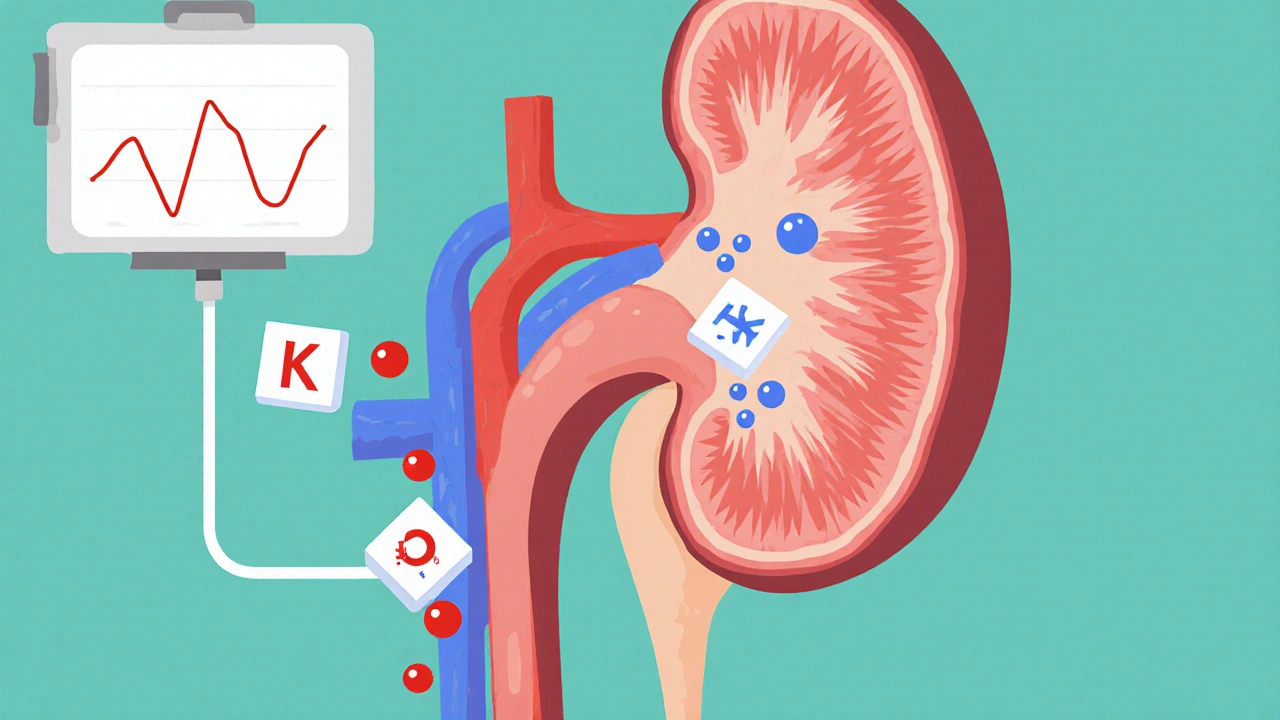
Trimethoprim and Potassium Levels: How This Common Antibiotic Can Raise Your Risk of Hyperkalemia
- Nov, 27 2025
- 14
Trimethoprim, a common antibiotic, can dangerously raise potassium levels-especially in older adults or those on blood pressure meds. Learn the risks, who’s most vulnerable, and safer alternatives.
Categories
- Medication Information (121)
- Health and Wellness (52)
- Women's Health (7)
- Mental Health (5)
- Support Resources (5)
- Supplements (5)
- Pharmacy Reviews (5)
- Dermatology (4)
- Nutrition (3)
- Fitness and Wellness (3)
Archives
- March 2026 (10)
- February 2026 (12)
- January 2026 (27)
- December 2025 (30)
- November 2025 (24)
- October 2025 (29)
- September 2025 (14)
- August 2025 (2)
- July 2025 (7)
- June 2025 (2)
- May 2025 (3)
- April 2025 (4)
- online pharmacy
- dietary supplement
- medication safety
- health benefits
- side effects
- generic drugs
- drug interactions
- treatment
- wellness
- optimal health
- diabetes management
- safe medication purchase
- online pharmacy Australia
- brand name drugs
- authorized generics
- generic medications
- medication side effects
- link
- women's health
- dietary supplements