
Paragraph IV Certification: What It Means for Generic Drug Access
When a generic drug company files for approval to sell a cheaper version of a brand-name medicine, they often use something called a Paragraph IV certification, a legal statement filed with the FDA to challenge an existing drug patent. Also known as a Paragraph IV notice, it’s the trigger that lets generic manufacturers enter the market before the brand-name drug’s patent expires—speeding up access to lower-cost medicines for millions. This isn’t just paperwork. It’s a legal tool built into the Hatch-Waxman Act of 1984 to balance innovation with affordability. Without it, many generics would wait years to launch, keeping prices high even after the original drug’s patent should no longer block competition.
Here’s how it works: when a brand-name drug company gets a patent, they list it in the FDA’s Orange Book. Any company wanting to make a generic version must submit an ANDA—Abbreviated New Drug Application. If they believe the patent is invalid, unenforceable, or won’t be infringed, they file a Paragraph IV certification. That’s when the real clock starts ticking. The brand-name company has 45 days to sue the generic maker. If they do, the FDA can’t approve the generic for 30 months—or until a court rules otherwise. But if the generic wins the lawsuit, they get 180 days of exclusive market rights. That’s a huge incentive: the first generic to challenge a patent can become the dominant low-cost option, often driving prices down by 80% or more.
This system isn’t perfect. Some companies abuse it by filing frivolous lawsuits to delay competition. Others use it to bring real savings to patients. The posts you’ll find here cover real-world impacts: how Paragraph IV certification affects drug pricing, what happens when patents are challenged, and how it connects to other critical topics like generic drug approval, patent cliffs, and medication access. You’ll also see how it ties into practical issues like prescription delivery, cost-saving generics, and why your pharmacy might suddenly have a new, cheaper version of your medication. Whether you’re paying out of pocket or through insurance, understanding this process helps you know why your meds get cheaper—and when.
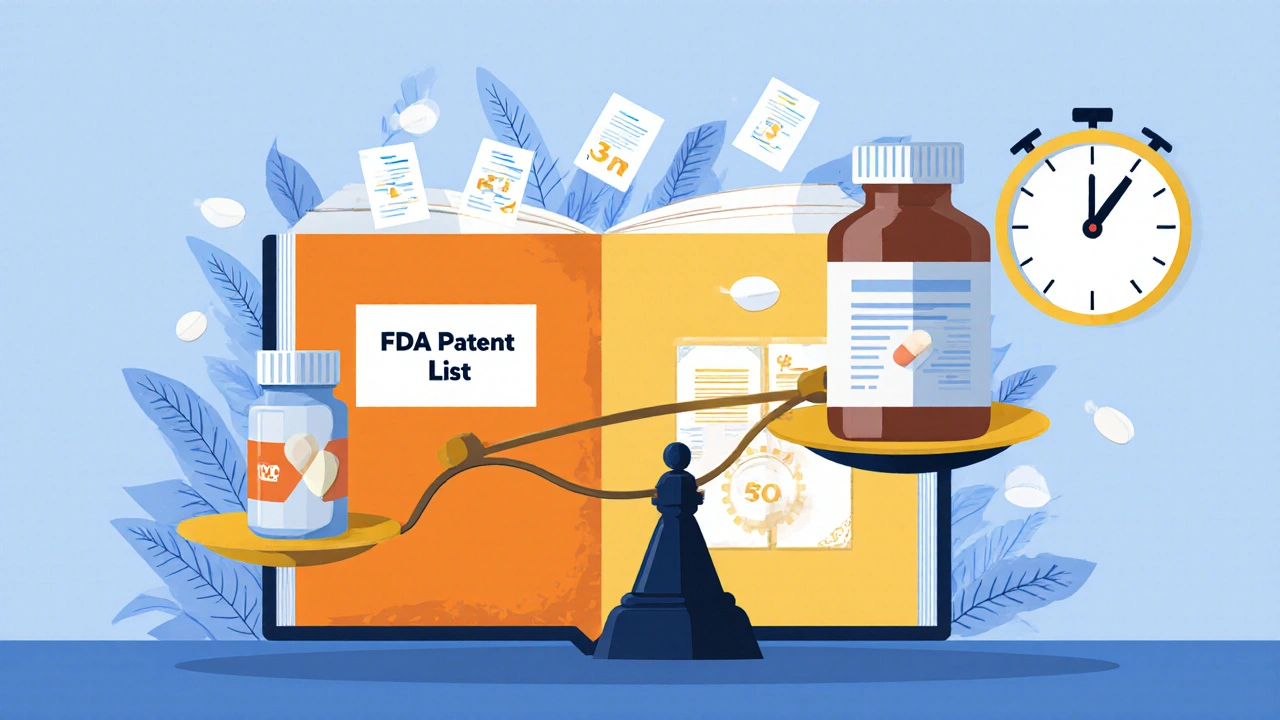
How Paragraph IV Patent Challenges Speed Up Generic Drug Entry
- Nov, 25 2025
- 8
Paragraph IV certification under the Hatch-Waxman Act lets generic drug makers challenge brand patents to enter the market early. This legal process drives down drug prices and has saved U.S. consumers over $1.6 trillion.
Categories
- Medication Information (121)
- Health and Wellness (52)
- Women's Health (7)
- Mental Health (5)
- Support Resources (5)
- Supplements (5)
- Pharmacy Reviews (5)
- Dermatology (4)
- Nutrition (3)
- Fitness and Wellness (3)
Archives
- March 2026 (10)
- February 2026 (12)
- January 2026 (27)
- December 2025 (30)
- November 2025 (24)
- October 2025 (29)
- September 2025 (14)
- August 2025 (2)
- July 2025 (7)
- June 2025 (2)
- May 2025 (3)
- April 2025 (4)
- online pharmacy
- dietary supplement
- medication safety
- health benefits
- side effects
- generic drugs
- drug interactions
- treatment
- wellness
- optimal health
- diabetes management
- safe medication purchase
- online pharmacy Australia
- brand name drugs
- authorized generics
- generic medications
- medication side effects
- link
- women's health
- dietary supplements