
Pancreatic Cancer: Causes, Symptoms, and What You Need to Know
When we talk about pancreatic cancer, a deadly form of cancer that begins in the tissues of the pancreas, often spreading before it’s detected. Also known as pancreatic tumors, it’s one of the most aggressive cancers because symptoms rarely show up until it’s advanced. Unlike some cancers that have clear warning signs early on, pancreatic cancer creeps in quietly—making it harder to catch in time.
It’s not just one disease. pancreatic cancer, includes several subtypes, with ductal adenocarcinoma being the most common. Also known as exocrine pancreatic cancer, it starts in the cells that make digestive juices. Then there’s pancreatic neuroendocrine tumors, which are rarer and grow slower. These matter because treatment and outlook change completely depending on which kind you have. Risk factors? Smoking, obesity, long-term diabetes, chronic pancreatitis, and family history all play a role. If you’ve had a close relative with pancreatic cancer, your risk goes up—and that’s something your doctor should know.
Most people don’t feel sick until the cancer has spread. But signs like unexplained weight loss, yellow skin or eyes (jaundice), new-onset diabetes, belly pain that radiates to your back, or loss of appetite shouldn’t be ignored. These aren’t just "normal aging" or stress. They’re red flags that need checking. And while there’s no routine screening test for the general public, if you’re high-risk, doctors can use imaging like MRI or endoscopic ultrasound to look deeper.
There’s no magic cure yet, but treatments are getting better. Surgery is the only real chance at a cure—if the tumor hasn’t spread. Chemotherapy and radiation are used before or after surgery, or on their own if surgery isn’t an option. New targeted therapies and immunotherapies are being tested in clinical trials, and some are already helping patients live longer. The key? Catching it early. And that means paying attention to your body, even when nothing seems "wrong."
What You’ll Find in These Articles
The posts below aren’t just medical summaries. They’re real stories and clear explanations about how pancreatic cancer connects to other health issues—like diabetes, chronic inflammation, and even medication interactions. You’ll find insights on how treatments affect quality of life, what symptoms to track, and how to ask the right questions when you’re facing this diagnosis. Whether you’re a patient, caregiver, or just trying to understand the risks, these articles give you the facts without the fluff.
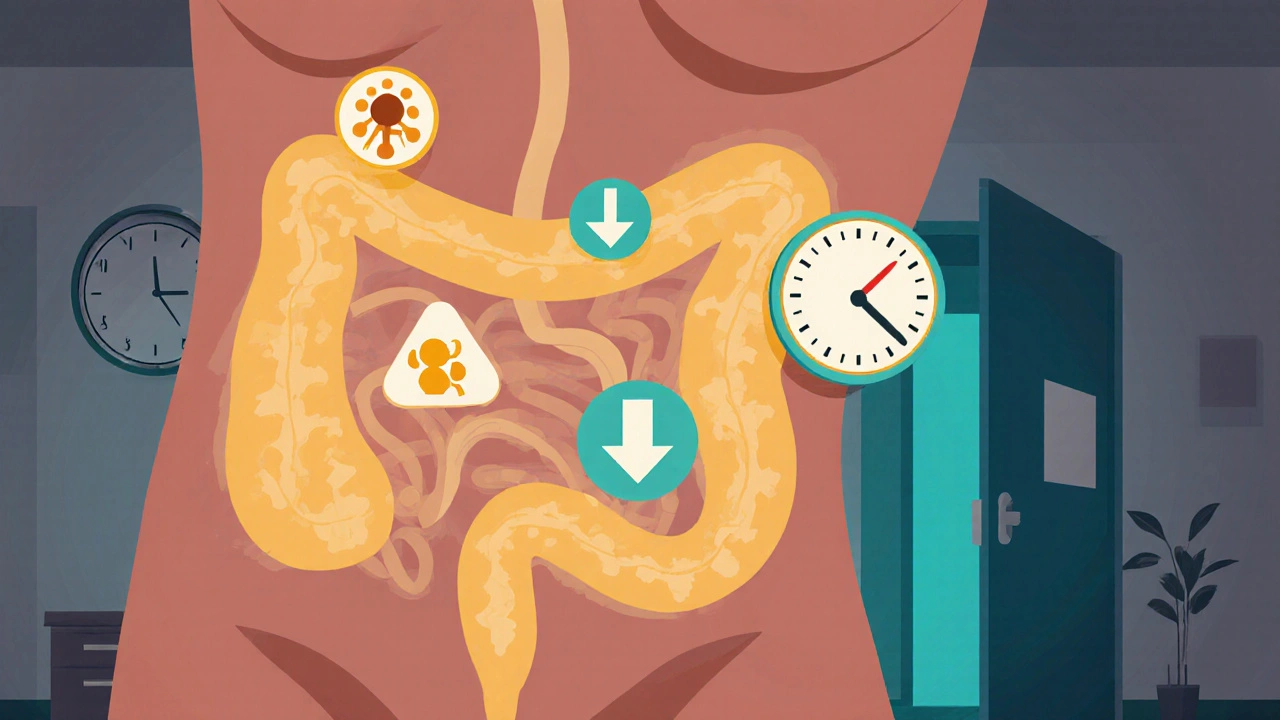
Pancreatic Cancer: Early Symptoms and Treatment Advances
- Nov, 19 2025
- 9
Pancreatic cancer often shows no early symptoms, but signs like unexplained weight loss, new-onset diabetes, and jaundice can be critical warnings. Learn about the latest treatments improving survival and why early detection matters more than ever.
Categories
- Medication Information (122)
- Health and Wellness (52)
- Women's Health (7)
- Mental Health (5)
- Support Resources (5)
- Supplements (5)
- Pharmacy Reviews (5)
- Dermatology (4)
- Nutrition (3)
- Fitness and Wellness (3)
Archives
- April 2026 (1)
- March 2026 (10)
- February 2026 (12)
- January 2026 (27)
- December 2025 (30)
- November 2025 (24)
- October 2025 (29)
- September 2025 (14)
- August 2025 (2)
- July 2025 (7)
- June 2025 (2)
- May 2025 (3)
- online pharmacy
- dietary supplement
- medication safety
- health benefits
- side effects
- generic drugs
- drug interactions
- treatment
- wellness
- optimal health
- diabetes management
- safe medication purchase
- online pharmacy Australia
- brand name drugs
- authorized generics
- generic medications
- medication side effects
- link
- women's health
- dietary supplements