
Orange Book Patents: What They Are and How They Impact Your Medications
When you pick up a prescription, whether it’s brand-name or generic, you’re often navigating a system shaped by Orange Book patents, a public list maintained by the U.S. Food and Drug Administration that tracks drug patents and exclusivity periods. Also known as the Approved Drug Products with Therapeutic Equivalence Evaluations, this database isn’t just for lawyers or pharma execs—it directly affects what you pay and when you can get cheaper alternatives. If a drug has an active patent listed in the Orange Book, no generic version can legally enter the market until that patent expires—or until a legal challenge succeeds.
The FDA Orange Book, the official government publication that lists all drugs approved for sale in the U.S. along with their patent and exclusivity data is updated daily. It includes patents covering the drug’s chemical structure, how it’s made, or even how it’s used to treat a condition. These aren’t just technical filings—they’re legal tools that can delay generic competition for years. For example, a company might file a new patent on a pill’s coating just before the original patent expires, resetting the clock. This tactic, called "patent evergreening," keeps prices high and limits your choices.
But here’s the flip side: when those patents finally expire, generic versions can flood the market. That’s when prices drop—sometimes by 80% or more. The generic drugs, medications that contain the same active ingredient as brand-name drugs but are sold under their chemical name after patent protection ends you buy at your local pharmacy are only possible because of the Orange Book’s transparency. It tells generic manufacturers exactly when they can legally launch. Without it, no one would know when it’s safe to invest millions in producing a copycat drug.
These patents also tie into real-world issues you might face: delayed access to affordable insulin, sudden price hikes on cholesterol meds, or confusion over why a new generic isn’t available even though your doctor says it should be. The patent exclusivity, additional market protection granted by the FDA beyond standard patents, often for orphan drugs or new formulations can extend that delay even further. Some drugs get 180 days of exclusive generic rights after the first challenger wins, which is why you might see one generic brand appear before others.
What you’ll find in the posts below are practical guides that connect directly to how Orange Book patents shape your daily health decisions. You’ll learn how to check if your medication’s patent has expired, why some generics take longer to appear, and how to use this knowledge to save money without sacrificing safety. These aren’t abstract legal theories—they’re tools you can use to understand why your prescription costs what it does, and when you might get a cheaper option.
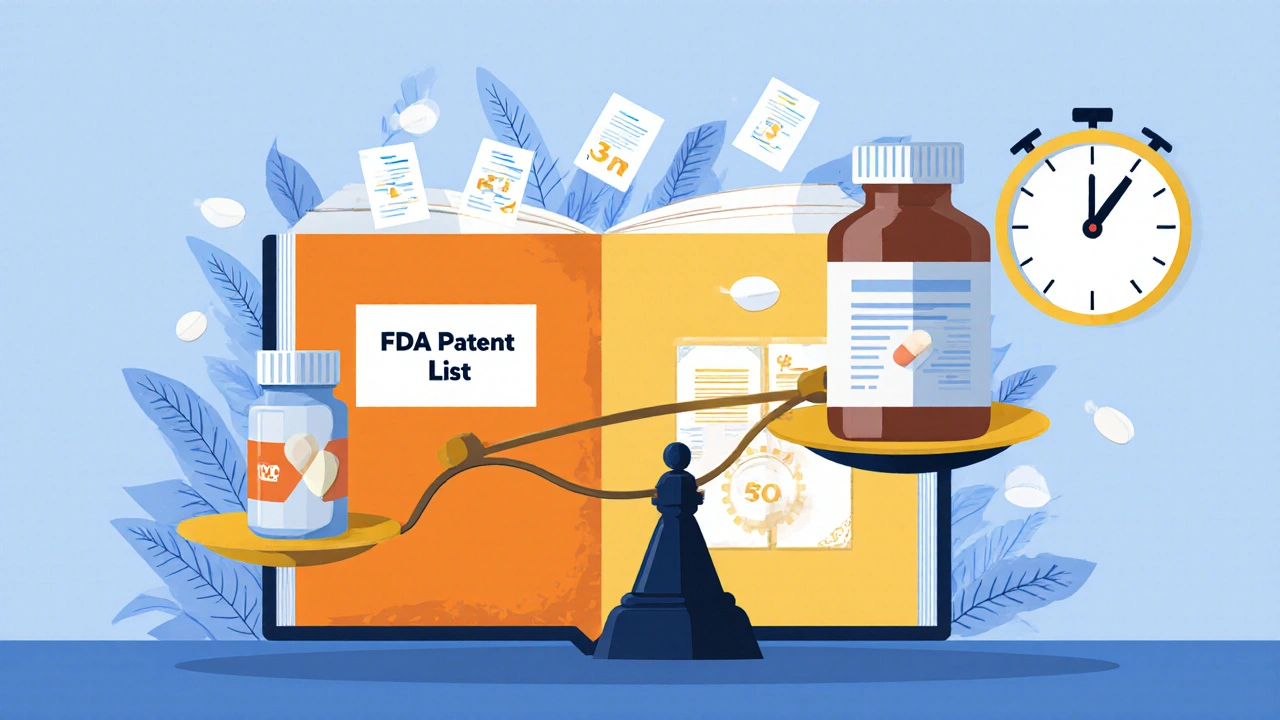
How Paragraph IV Patent Challenges Speed Up Generic Drug Entry
- Nov, 25 2025
- 8
Paragraph IV certification under the Hatch-Waxman Act lets generic drug makers challenge brand patents to enter the market early. This legal process drives down drug prices and has saved U.S. consumers over $1.6 trillion.
Categories
- Medication Information (121)
- Health and Wellness (52)
- Women's Health (7)
- Mental Health (5)
- Support Resources (5)
- Supplements (5)
- Pharmacy Reviews (5)
- Dermatology (4)
- Nutrition (3)
- Fitness and Wellness (3)
Archives
- March 2026 (10)
- February 2026 (12)
- January 2026 (27)
- December 2025 (30)
- November 2025 (24)
- October 2025 (29)
- September 2025 (14)
- August 2025 (2)
- July 2025 (7)
- June 2025 (2)
- May 2025 (3)
- April 2025 (4)
- online pharmacy
- dietary supplement
- medication safety
- health benefits
- side effects
- generic drugs
- drug interactions
- treatment
- wellness
- optimal health
- diabetes management
- safe medication purchase
- online pharmacy Australia
- brand name drugs
- authorized generics
- generic medications
- medication side effects
- link
- women's health
- dietary supplements