
Jaundice: Causes, Symptoms, and What You Need to Know
When your skin or the whites of your eyes turn yellow, it's usually jaundice, a visible sign of excess bilirubin in the blood, often linked to liver or bile system problems. Also known as icterus, it's not an illness on its own—it's your body’s way of saying something deeper is off.
Jaundice happens when bilirubin, a yellow pigment made when red blood cells break down builds up faster than your liver can process it. That’s normal—your body breaks down about 10 million red blood cells every second. But if your liver is damaged, your bile ducts are blocked, or your body is destroying red blood cells too fast, bilirubin spills into your bloodstream. That’s when you start to look yellow. Common causes include hepatitis, inflammation of the liver from viruses, alcohol, or autoimmune issues, bile duct obstruction, often from gallstones or tumors, or even certain medications that stress the liver. It’s not rare in newborns, but in adults, it’s a red flag that needs checking.
Some people ignore jaundice because it doesn’t always hurt. But it rarely goes away on its own. If you notice yellowing skin, dark urine, pale stools, or unexplained fatigue, don’t wait. These are clues your liver might be struggling. Even if you feel fine, jaundice means your body is under stress—whether from a simple infection, long-term alcohol use, or something more serious like liver cancer. The good news? Many causes are treatable if caught early. A simple blood test can show if bilirubin levels are high, and imaging can spot blockages or liver damage.
The posts below cover real cases and connections you won’t find in generic articles. You’ll read about how hepatitis A spreads through food, why certain antibiotics can harm your liver, and how medication timing affects liver function. You’ll also see how conditions like heart failure and steroid withdrawal can indirectly trigger jaundice by stressing your body’s systems. This isn’t just about yellow skin—it’s about understanding what your body is trying to tell you when the signs show up.
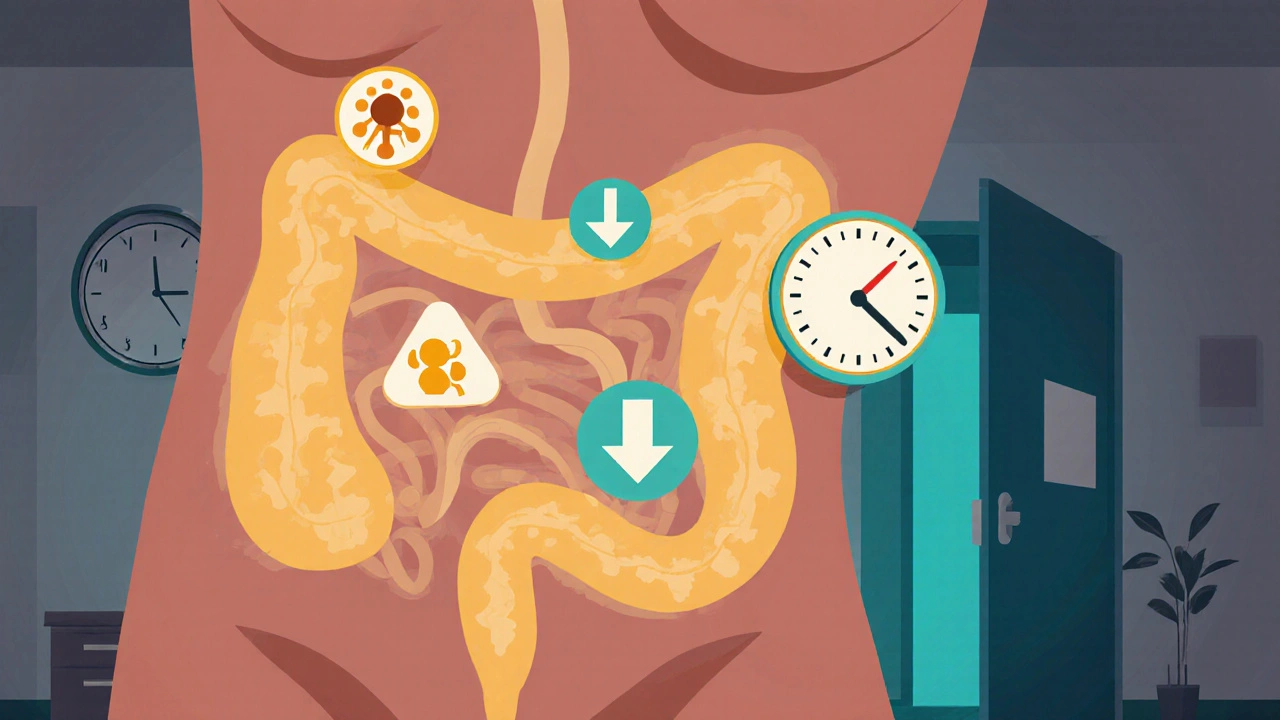
Pancreatic Cancer: Early Symptoms and Treatment Advances
- Nov, 19 2025
- 9
Pancreatic cancer often shows no early symptoms, but signs like unexplained weight loss, new-onset diabetes, and jaundice can be critical warnings. Learn about the latest treatments improving survival and why early detection matters more than ever.
Categories
- Medication Information (122)
- Health and Wellness (52)
- Women's Health (7)
- Mental Health (5)
- Support Resources (5)
- Supplements (5)
- Pharmacy Reviews (5)
- Dermatology (4)
- Nutrition (3)
- Fitness and Wellness (3)
Archives
- April 2026 (1)
- March 2026 (10)
- February 2026 (12)
- January 2026 (27)
- December 2025 (30)
- November 2025 (24)
- October 2025 (29)
- September 2025 (14)
- August 2025 (2)
- July 2025 (7)
- June 2025 (2)
- May 2025 (3)
- online pharmacy
- dietary supplement
- medication safety
- health benefits
- side effects
- generic drugs
- drug interactions
- treatment
- wellness
- optimal health
- diabetes management
- safe medication purchase
- online pharmacy Australia
- brand name drugs
- authorized generics
- generic medications
- medication side effects
- link
- women's health
- dietary supplements