
Foodborne Transmission: How Contaminated Food Spreads Illness and What You Can Do
When you eat something that makes you sick, it’s often not bad luck—it’s foodborne transmission, the spread of harmful bacteria, viruses, or parasites through contaminated food or water. Also known as food poisoning, it’s one of the most common causes of illness worldwide, and it’s almost always preventable. You don’t need to travel far or eat exotic dishes to get sick. A spoiled salad, undercooked chicken, or even unwashed lettuce can carry pathogens like Salmonella, a bacteria often found in raw eggs, poultry, and unpasteurized milk, or E. coli, a strain that lives in cattle intestines and can contaminate ground beef or raw vegetables. These bugs don’t always make food look or smell bad, which is why people get caught off guard.
Foodborne transmission doesn’t just happen at restaurants. Most cases come from home kitchens. Improper thawing of meat on the counter, using the same cutting board for raw chicken and veggies, or leaving cooked food out too long are all everyday mistakes that turn your kitchen into a breeding ground. The CDC estimates that 1 in 6 Americans gets sick from contaminated food each year, and over 3,000 die from it. That’s not a distant statistic—it’s your neighbor, your coworker, maybe even you next time you ignore the "use by" date.
Some foods are riskier than others. Raw sprouts, soft cheeses made from unpasteurized milk, raw oysters, and undercooked eggs are frequent culprits. But even seemingly safe items like bagged spinach or pre-cut fruit have caused major outbreaks. The problem isn’t just the food—it’s how it’s handled. Cross-contamination is the silent killer. A dirty sponge, unwashed hands, or a knife that touched raw meat and then sliced your apple can send pathogens straight into your body.
What’s surprising is how often people don’t connect the dots. You get sick three days after eating a sandwich, so you blame the restaurant. But the bacteria might have started growing when the lettuce sat in the fridge too long, or when the deli worker didn’t wash their hands. Listeria, a bacteria that grows even in cold temperatures, is especially dangerous for pregnant women and older adults. It’s found in deli meats and soft cheeses, and it can cause miscarriage or deadly infections. You can’t taste it, smell it, or see it. All you know is you’re sick.
Prevention isn’t complicated. Wash your hands before handling food. Cook meat to the right temperature—use a thermometer, not guesswork. Keep raw meat away from ready-to-eat foods. Refrigerate leftovers within two hours. And when in doubt, throw it out. These aren’t fancy tips—they’re basics that work. The posts below show real cases where people got sick from food, how they figured it out, and what changed after they learned the rules. You’ll find stories about contaminated produce, unsafe meal prep habits, and how simple changes stopped recurring illness. This isn’t about fear. It’s about control. You don’t have to live in fear of your food. You just need to know what to look for—and what to do before it’s too late.
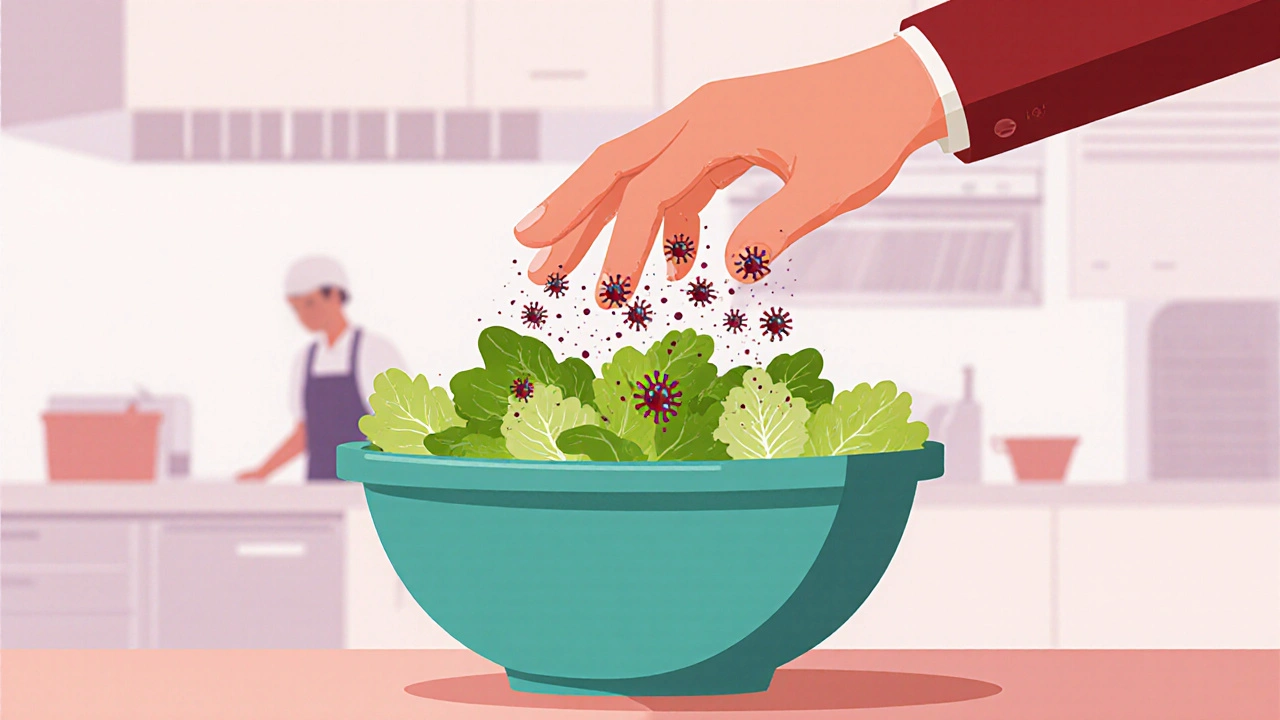
Hepatitis A: How Food Spreads the Virus and What to Do After Exposure
- Nov, 16 2025
- 10
Hepatitis A spreads easily through contaminated food, often from infected workers who don't wash their hands. Learn how it's transmitted, what to do after exposure, and how vaccines and hygiene can stop outbreaks before they start.
Categories
- Medication Information (122)
- Health and Wellness (52)
- Women's Health (7)
- Mental Health (5)
- Support Resources (5)
- Supplements (5)
- Pharmacy Reviews (5)
- Dermatology (4)
- Nutrition (3)
- Fitness and Wellness (3)
Archives
- April 2026 (1)
- March 2026 (10)
- February 2026 (12)
- January 2026 (27)
- December 2025 (30)
- November 2025 (24)
- October 2025 (29)
- September 2025 (14)
- August 2025 (2)
- July 2025 (7)
- June 2025 (2)
- May 2025 (3)
- online pharmacy
- dietary supplement
- medication safety
- health benefits
- side effects
- generic drugs
- drug interactions
- treatment
- wellness
- optimal health
- diabetes management
- safe medication purchase
- online pharmacy Australia
- brand name drugs
- authorized generics
- generic medications
- medication side effects
- link
- women's health
- dietary supplements