
Cardiac Risk: What You Need to Know About Heart Health and Medications
When we talk about cardiac risk, the chance of developing heart disease or experiencing a heart-related event like a heart attack or stroke. Also known as heart disease risk, it’s not just about cholesterol or blood pressure—it’s also about what you take every day. Many people don’t realize that common painkillers, diabetes meds, and even supplements can quietly raise your cardiac risk without you knowing it.
NSAIDs, like ibuprofen and naproxen, are used for everyday aches but can cause dangerous fluid buildup in people with heart failure. Even short-term use increases hospitalization chances. Then there’s SGLT2 inhibitors, a class of diabetes drugs like dapagliflozin that actually lower cardiac risk by helping the kidneys remove extra sugar and fluid. These aren’t just for blood sugar—they’re now part of heart protection plans. And if you’re on blood thinners like warfarin or antiplatelets like prasugrel, your cardiac risk isn’t just about the disease—it’s about how these drugs interact with food, other meds, and your daily routine.
It’s not all about pills. Your heart-healthy diet, a way of eating that reduces inflammation, lowers bad cholesterol, and prevents artery blockage. makes a real difference. Foods you eat—or avoid—can either shield your heart or slowly damage it. And if you’re managing conditions like multiple sclerosis or adrenal insufficiency, the meds you rely on can also affect your blood pressure and heart rhythm in ways you might not expect.
You won’t find magic fixes here. But you will find real stories and clear facts from people who’ve walked this path. Whether you’re worried about NSAIDs after a knee injury, confused about how your diabetes drug affects your heart, or just trying to eat smarter, the posts below give you what actually matters—no fluff, no jargon, just what works.
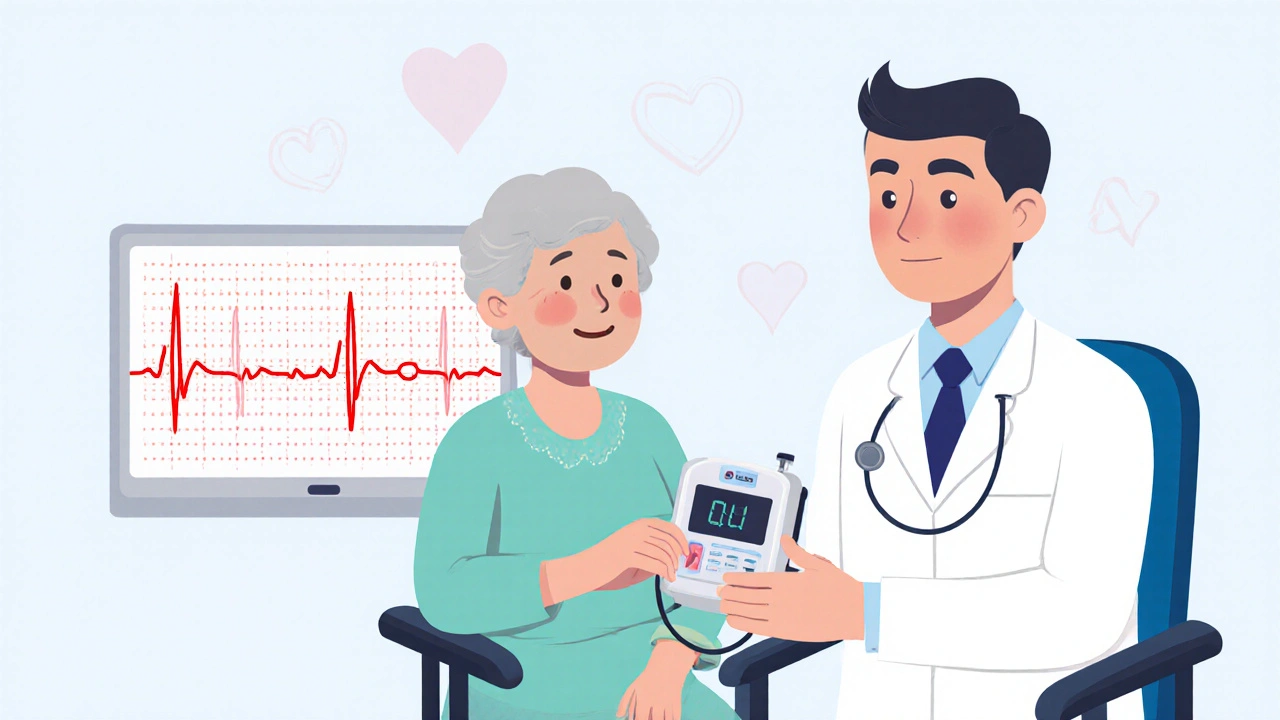
ECG Monitoring During Macrolide Therapy: Who Needs It
- Nov, 15 2025
- 8
Macrolide antibiotics like azithromycin can prolong the QT interval on an ECG, raising the risk of dangerous heart rhythms. Learn who needs an ECG before taking these drugs and how to stay safe.
Categories
- Medication Information (124)
- Health and Wellness (52)
- Women's Health (7)
- Mental Health (5)
- Support Resources (5)
- Supplements (5)
- Pharmacy Reviews (5)
- Dermatology (4)
- Nutrition (3)
- Fitness and Wellness (3)
Archives
- April 2026 (3)
- March 2026 (10)
- February 2026 (12)
- January 2026 (27)
- December 2025 (30)
- November 2025 (24)
- October 2025 (29)
- September 2025 (14)
- August 2025 (2)
- July 2025 (7)
- June 2025 (2)
- May 2025 (3)
- online pharmacy
- dietary supplement
- medication safety
- health benefits
- side effects
- generic drugs
- drug interactions
- treatment
- wellness
- optimal health
- diabetes management
- safe medication purchase
- online pharmacy Australia
- brand name drugs
- authorized generics
- generic medications
- medication side effects
- link
- women's health
- bone health