
Bactrim Side Effects: What You Need to Know Before Taking It
When you’re prescribed Bactrim, a combination antibiotic made of sulfamethoxazole and trimethoprim, commonly used for urinary tract infections, bronchitis, and certain types of pneumonia. Also known as Septra, it’s one of the most prescribed antibiotics in the UK for bacterial infections that don’t respond to simpler treatments. But like all antibiotics, it doesn’t come without risks. Many people take Bactrim without thinking twice — until they start feeling off. That’s when the real questions begin: Is this just a stomach upset, or is it something worse?
Understanding sulfamethoxazole, the sulfa component in Bactrim that stops bacteria from making folic acid and trimethoprim, the other half that blocks a different step in bacterial growth is key. Together, they’re powerful — but that power comes with a price. Common side effects like nausea, vomiting, or loss of appetite are usually mild and fade as your body adjusts. But more serious reactions — like rash, fever, or yellowing skin — can signal a dangerous allergic response or liver stress. People with kidney problems, HIV, or a history of sulfa allergies are at higher risk. Even something as simple as taking Bactrim with certain supplements or other meds can turn a safe dose into a problem. For example, mixing it with blood thinners or diabetes drugs can change how they work, sometimes dangerously.
It’s not just about what the pill does to your body — it’s about what your body does to the pill. Your liver and kidneys have to process it, and if they’re already working hard, Bactrim can push them over the edge. That’s why doctors check your kidney function before prescribing it. And if you’re older, or taking multiple meds, you’re more likely to feel the side effects. The good news? Most people tolerate it fine. The bad news? When things go wrong, they can go wrong fast. That’s why knowing the red flags matters more than you think.
Below, you’ll find real patient experiences and expert breakdowns of how Bactrim interacts with other drugs, what symptoms to never ignore, and how to reduce your risk without skipping treatment. Whether you’ve just been prescribed it or are still recovering from a bad reaction, this collection gives you the facts — not the fluff — so you can make smarter choices about your health.
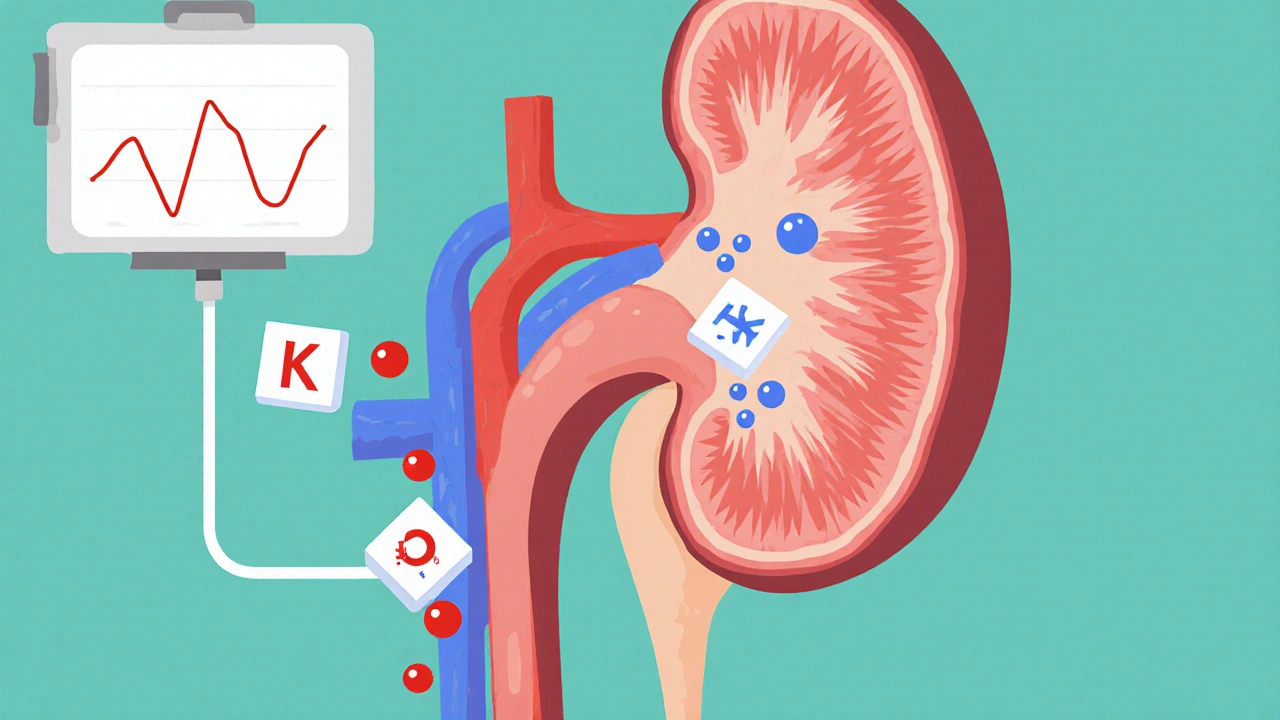
Trimethoprim and Potassium Levels: How This Common Antibiotic Can Raise Your Risk of Hyperkalemia
- Nov, 27 2025
- 14
Trimethoprim, a common antibiotic, can dangerously raise potassium levels-especially in older adults or those on blood pressure meds. Learn the risks, who’s most vulnerable, and safer alternatives.
Categories
- Medication Information (121)
- Health and Wellness (52)
- Women's Health (7)
- Support Resources (5)
- Supplements (5)
- Pharmacy Reviews (5)
- Dermatology (4)
- Mental Health (4)
- Nutrition (3)
- Fitness and Wellness (3)
Archives
- March 2026 (9)
- February 2026 (12)
- January 2026 (27)
- December 2025 (30)
- November 2025 (24)
- October 2025 (29)
- September 2025 (14)
- August 2025 (2)
- July 2025 (7)
- June 2025 (2)
- May 2025 (3)
- April 2025 (4)
- online pharmacy
- dietary supplement
- medication safety
- health benefits
- side effects
- generic drugs
- drug interactions
- treatment
- wellness
- optimal health
- diabetes management
- safe medication purchase
- online pharmacy Australia
- brand name drugs
- authorized generics
- generic medications
- medication side effects
- link
- women's health
- dietary supplements