
REMS Programs Explained: How the FDA Manages High-Risk Medications
 Jan, 31 2026
REMS Drug Lookup Tool
REMS Program Lookup
Search for prescription drugs that require FDA's Risk Evaluation and Mitigation Strategies to ensure safe use of high-risk medications.
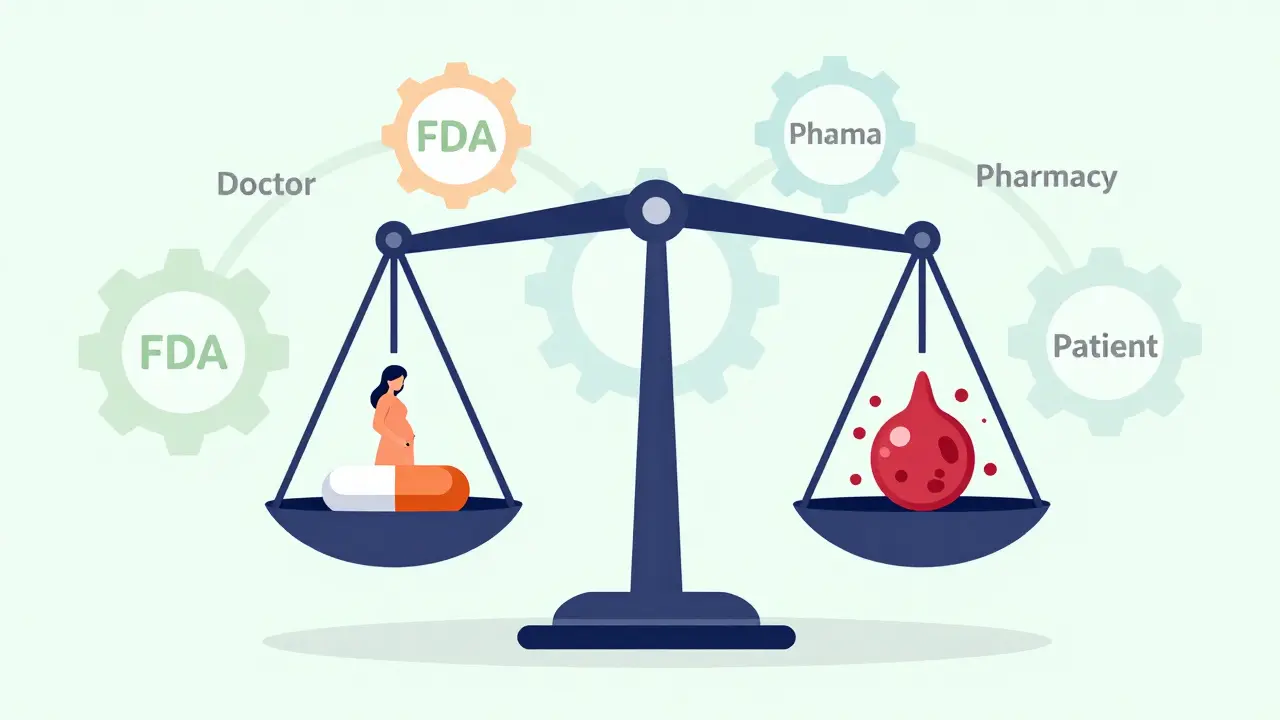
When a drug can save your life but also carry a serious risk-like causing birth defects, deadly blood disorders, or sudden loss of consciousness-how do you make it available without putting patients in danger? That’s the exact problem the FDA solved with REMS programs. These aren’t just extra warnings on a pill bottle. They’re structured, legally required systems designed to manage the biggest safety threats in modern medicine.
What Exactly Is a REMS Program?
REMS stands for Risk Evaluation and Mitigation Strategies. It’s a formal FDA program created in 2007 under the Food and Drug Administration Amendments Act (FDAAA). It doesn’t apply to most drugs. In fact, only about 5% of approved medications need one. But for those that do, it’s a big deal.
Think of REMS as a safety net for drugs with serious, sometimes life-threatening side effects. The FDA doesn’t block these drugs from market. Instead, it says: ‘You can use this, but only if we put strict controls in place.’ The goal isn’t to eliminate risk-it’s to make sure the benefits clearly outweigh the dangers.
Some of the earliest and most well-known REMS programs were created for drugs like isotretinoin (Accutane), which can cause severe birth defects, and clozapine, which can wipe out white blood cells. Thalidomide, infamous for causing deformities in the 1950s, still has a REMS program today, even though it’s used to treat leprosy and multiple myeloma.
How REMS Works: The Core Elements
Not all REMS programs are the same. Each one is custom-built around the specific danger of the drug. The FDA uses three main tools to manage risk:
- Medication Guides: Printed handouts given to patients explaining the risks in plain language. These are the most common element.
- Communication Plans: Letters, emails, or training materials sent to doctors and pharmacists to make sure they understand the risks and how to manage them.
- Elements to Assure Safe Use (ETASU): The strictest layer. This is where things get complicated.
ETASU can include:
- Doctors having to get certified before prescribing
- Patient enrollment in a national registry
- Only allowing the drug to be dispensed at special pharmacies or clinics
- Requiring regular blood tests or lab monitoring
Take Zyprexa Relprevv, a long-acting shot for schizophrenia. Because it can cause sudden drowsiness or delirium right after injection, the FDA requires it to be given only in certified clinics, and patients must be monitored for at least three hours after each dose. That’s not just a suggestion-it’s the law.
Who’s Responsible for Making REMS Work?
The FDA sets the rules, but the drug companies pay for and run the programs. That means pharmaceutical companies must:
- Design the REMS plan and submit it to the FDA for approval
- Train doctors and pharmacists
- Run patient registries and verification systems
- Track compliance and report data to the FDA
It’s expensive. The average REMS program costs a company $1.2 million a year. The most complex ones-like those requiring patient registries and special dispensing-can cost over $15 million annually. In 2022 alone, the FDA issued 17 warning letters to drugmakers for failing to meet REMS requirements. One generic manufacturer paid a $2.1 million fine for botching the clozapine REMS.
Why REMS Programs Are Controversial
REMS saves lives. But it also delays care.
A 2019 study in JAMA Internal Medicine found that REMS drugs took an average of 5.4 days longer to be prescribed than non-REMS drugs. For patients with rare diseases who live far from specialty clinics, that delay can mean worsening symptoms or hospitalization.
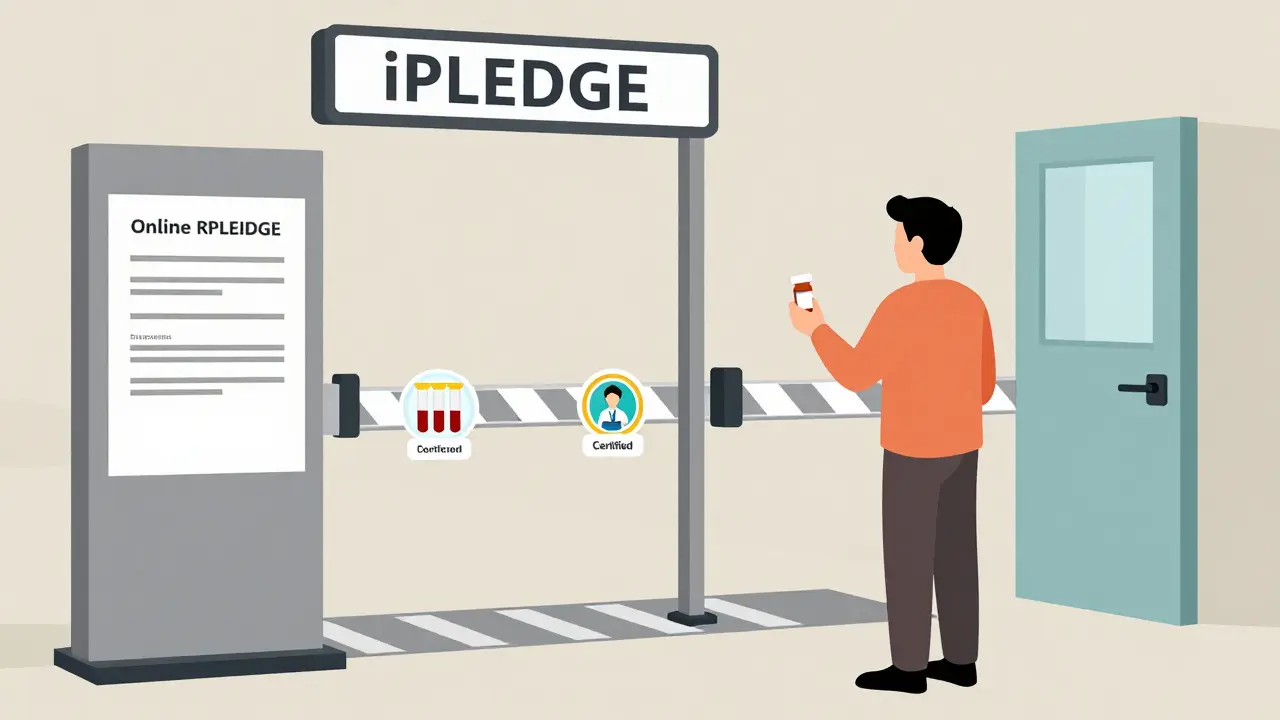
Pharmacists are on the front lines. A 2023 survey found that 73% of hospital pharmacists spend 2 to 5 extra hours per week just managing REMS paperwork. For isotretinoin, the iPLEDGE program requires multiple online verifications-sometimes patients wait 3 to 7 days just to get their first prescription.
Doctors aren’t immune either. A 2022 AMA survey showed that 68% of physicians have seen delays in starting REMS drugs, and 42% say those delays hurt patient outcomes. One doctor told me: ‘I had a patient with bipolar disorder who needed clozapine. Her white blood cell count was low. We had to wait two weeks for the lab to process the test, and the pharmacy had to verify everything twice. By then, she was in the ER.’
How REMS Compares to Other Systems
Outside the U.S., drug safety works differently. In the European Union, every new drug must have a Risk Management Plan (RMP). It’s standard. In the U.S., REMS is reserved only for the riskiest drugs.
That selective approach means REMS is more targeted-but also more fragmented. There are 78 active REMS programs in the U.S. as of 2023, covering about 150 drugs. Oncology drugs lead the list with 29 programs. Neurology and immunology follow closely.
And unlike the EU’s centralized system, U.S. REMS programs often don’t talk to each other. Most don’t integrate with electronic health records. Only 35% of REMS platforms can automatically pull patient data from hospital systems. That means pharmacists and doctors often have to log into separate websites, enter the same info multiple times, and manually verify eligibility.
Changes Are Coming
The FDA knows REMS isn’t perfect. In 2023, they updated their assessment template to require drugmakers to prove their programs aren’t creating unnecessary access barriers-especially for low-income, rural, or rare disease patients.
Some programs are being retired. Thalidomide’s REMS was officially ended in August 2023 after 20 years. Why? Because the risks are now better understood, and safer alternatives exist. The FDA is now more willing to sunset REMS when they’re no longer needed.
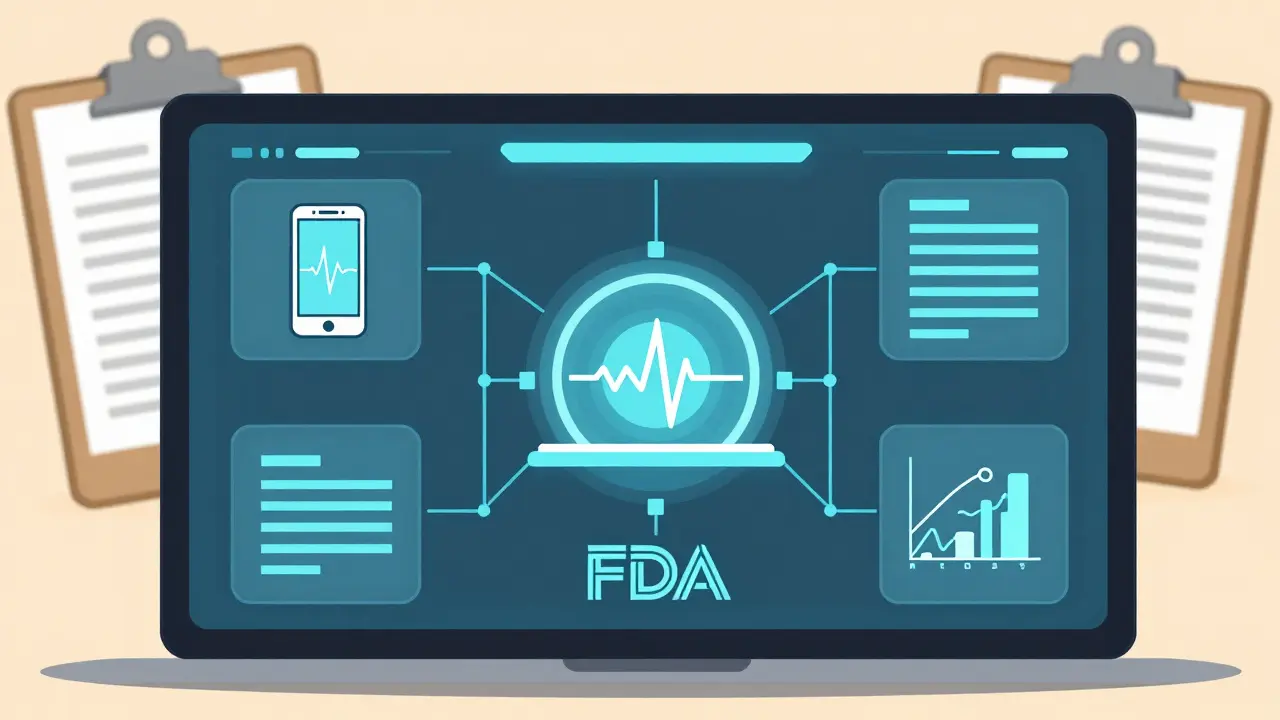
Big changes are coming in technology. The FDA is piloting smartphone apps to monitor patients on blood thinners in real time. Instead of weekly blood draws, patients might use an app to report symptoms and upload results from home testing kits. If it works, it could cut down on clinic visits and delays.
By 2027, nearly half of all new cancer drugs will need REMS. That’s up from 38% in 2023. As drugs get more powerful-and more dangerous-the need for tight controls will only grow.
What This Means for Patients
If your doctor prescribes a REMS drug, expect more steps:
- You may need to sign forms or complete online training
- Your doctor might need to register with a special system
- You might have to go to a specific pharmacy or clinic
- Lab tests could be required before each refill
It’s frustrating. But it’s also why drugs like clozapine and isotretinoin are still available. Without REMS, many of these drugs would never have been approved.
The goal isn’t to make life harder-it’s to make sure the people who need these drugs the most can get them safely. The challenge now is making the system faster, smarter, and fairer.
What’s Next for REMS?
The FDA’s 2024-2026 plan focuses on three things:
- Reducing administrative burden with digital tools
- Improving data collection to measure if REMS actually works
- Removing barriers for underserved communities
Right now, 63% of REMS programs don’t have clear metrics to prove they’re improving safety. That’s changing. The FDA now requires sponsors to define success upfront: Is the program reducing hospitalizations? Are fewer patients having bad reactions? Are delays shrinking?
REMS isn’t going away. But it’s evolving-from paper forms and phone calls to apps, real-time monitoring, and smarter rules. The future of high-risk drugs depends on getting this balance right: safety without delay, control without chaos.
What drugs require a REMS program?
REMS applies to prescription drugs with serious safety risks that can’t be managed with standard labeling. Examples include isotretinoin (for acne), clozapine (for schizophrenia), thalidomide (for cancer and leprosy), Zyprexa Relprevv (an antipsychotic injection), and certain extended-release opioids. As of 2023, 78 REMS programs cover about 150 medications, mostly in oncology, neurology, and immunology.
Who pays for REMS programs?
The pharmaceutical company that makes the drug pays for and runs the REMS program. This includes training doctors, managing patient registries, running verification systems, and reporting data to the FDA. Annual costs range from $500,000 for simple programs to over $15 million for complex ones requiring special dispensing or monitoring.
Can a REMS program be removed?
Yes. The FDA can remove or modify a REMS if new data shows the risks are better understood or if safer alternatives exist. In August 2023, the FDA ended the REMS for thalidomide after 20 years because risk management had improved through education and alternative treatments. This is becoming more common as the FDA focuses on eliminating unnecessary barriers.
Why do REMS programs cause delays in getting medication?
REMS often requires multiple steps: doctor certification, patient registration, lab testing, pharmacy verification, and sometimes in-person monitoring. These steps are manual, spread across different systems, and not always integrated with electronic health records. A 2022 AMA survey found 68% of doctors experienced delays, with some patients waiting up to 7 days for a single prescription.
How does REMS differ from regular drug labeling?
Standard drug labels list all known risks, but they don’t enforce actions. REMS goes further-it requires specific, mandatory steps to reduce risk, like certifying prescribers, registering patients, or limiting where the drug can be dispensed. REMS targets one or two serious risks that can’t be managed with warnings alone.
Are REMS programs effective?
They’ve prevented thousands of serious side effects-like birth defects from isotretinoin and fatal blood disorders from clozapine. But effectiveness is hard to measure. A 2023 FDA-PhRMA report found that 63% of REMS programs lack clear metrics to prove they’re reducing harm. The FDA is now requiring sponsors to define success upfront, so future programs will be evaluated based on real outcomes, not just compliance.
Chris & Kara Cutler
January 31, 2026 AT 20:37Rachel Liew
February 1, 2026 AT 08:41Melissa Melville
February 1, 2026 AT 18:51Bryan Coleman
February 2, 2026 AT 12:23franklin hillary
February 2, 2026 AT 23:39Ishmael brown
February 3, 2026 AT 23:29June Richards
February 5, 2026 AT 02:58Lu Gao
February 6, 2026 AT 09:13vivian papadatu
February 7, 2026 AT 23:22Deep Rank
February 9, 2026 AT 12:57