
New Safety Data Changing Medication Guidelines: Latest Updates for 2026
 Jan, 8 2026
Medication errors aren’t just mistakes-they’re preventable harms that send over 1.3 million people to U.S. emergency rooms every year. In 2025, new safety data forced major changes across global health systems, and if you’re taking or prescribing any prescription drug, you need to know what’s changed.
What’s Actually Changed in 2025?
The biggest shift came from the ISMP Institute for Safe Medication Practices, which released its 2025-2026 Targeted Medication Safety Best Practices for Community Pharmacy. This isn’t just another memo-it’s a checklist of actions that pharmacies must take to stop deadly errors before they happen.
One key update: weight-based dosing must now be verified using the patient’s actual weight, not estimated. Pediatric and elderly patients are especially at risk when doses are guessed. Pharmacies implementing this single change saw a 63% drop in dosing errors within six months, according to data from Texas-based community pharmacies.
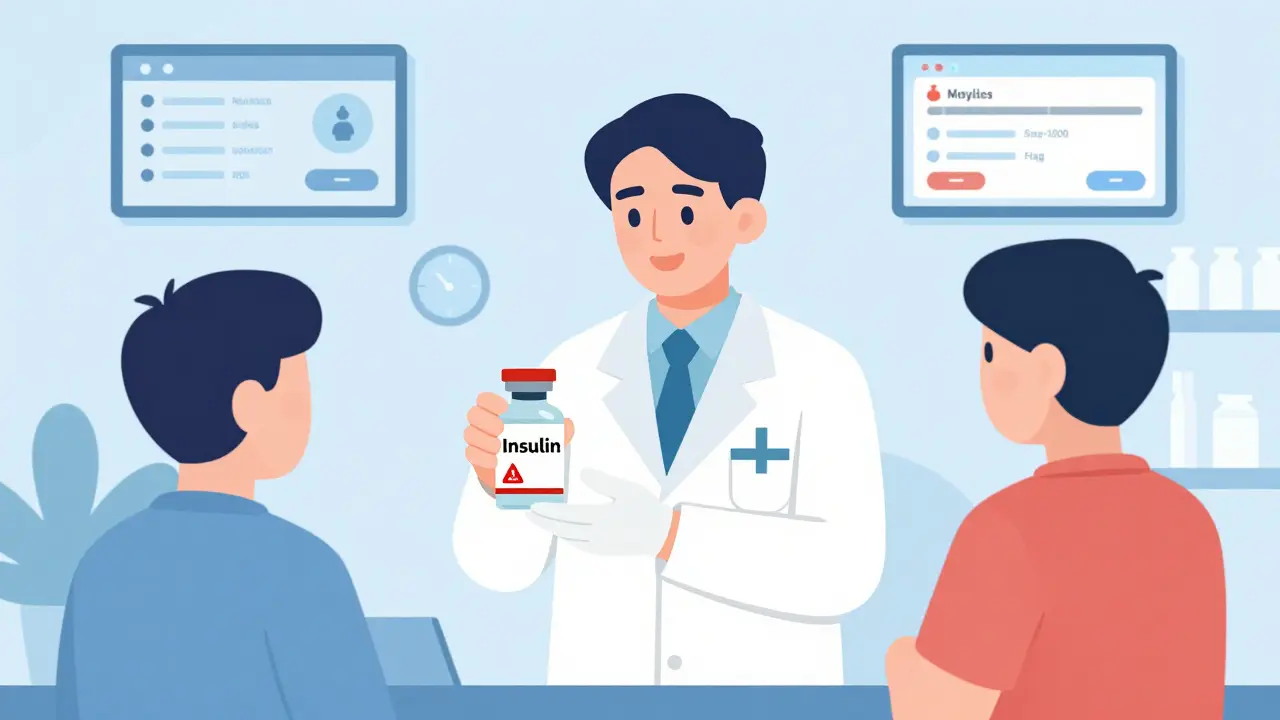
Another major change: high-alert medications like insulin, heparin, and opioids now require an independent double-check before dispensing. No more one-pharmacist verification. Two trained staff members must confirm the drug, dose, route, and patient. This isn’t optional-it’s now the standard.
The NIOSH Hazardous Drugs List Got Bigger
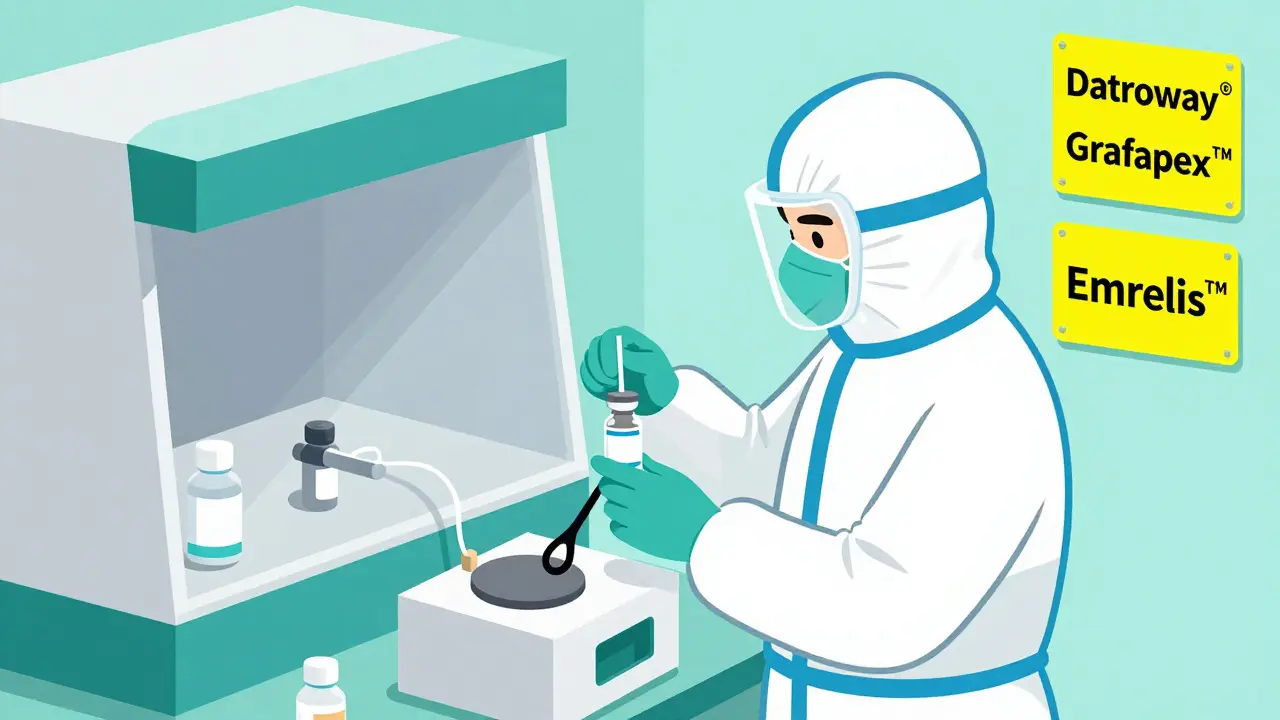
In December 2024, the NIOSH National Institute for Occupational Safety and Health updated its List of Hazardous Drugs in Healthcare Settings. Then, on July 17, 2025, they added three more: Datopotamab deruxtecan (Datroway®), Treosulfan (Grafapex™), and Telisotuzumab vedotin (Emrelis™).
These aren’t just new cancer drugs-they’re powerful antibody-drug conjugates. They’re so toxic that even small amounts on skin or in the air can harm pharmacy staff. If you work in oncology, compounding, or hospital pharmacy, you now need updated safety protocols: closed-system transfer devices, specialized ventilation, and mandatory PPE training.
One pharmacist on Reddit reported that after the July update, their hospital had to halt compounding for two weeks while upgrading containment hoods. The cost? Around $30,000 per station. But they prevented two potential exposure incidents. That’s the point.
CMS Star Ratings Are Now Tied to Your Meds
If you’re on Medicare Part D, your plan’s Star Rating just got stricter. The CMS Centers for Medicare & Medicaid Services updated its 2025 Patient Safety measures, and now your pharmacy’s performance on medication adherence directly affects your plan’s funding.
Two key measures: Medication Adherence for Cholesterol (Statins) and Use of Opioids at High Dosage in Persons without Cancer. If your plan fails to get 80% of patients on statins refilled on time, they lose money. To fix this, plans now use automated refill reminders, medication synchronization, and even home delivery for high-risk patients.
On the flip side, doctors can no longer prescribe high-dose opioids to non-cancer patients without justification. This isn’t about limiting pain relief-it’s about stopping addiction before it starts. Long-term care facilities saw a 72% improvement in dementia-related medication management after these rules took effect.
WHO’s Global Safety Framework Is Here
The WHO World Health Organization didn’t just update a guideline-they rewrote the global rulebook. Their September 2025 guideline on balanced national controlled medicines policies is the first of its kind.
It’s not about banning drugs. It’s about making sure people who need morphine for cancer pain can get it, while stopping fentanyl from leaking into illegal markets. The framework requires countries to:
- Use digital tracking for controlled drug supply chains
- Train doctors and pharmacists on safe prescribing
- Protect patients’ legal right to access their prescribed medicines
- Build public education campaigns to reduce stigma
- Integrate safety data with national health insurance systems
So far, only 12 countries have full action plans. But the goal is clear: cut serious, preventable medication harm by 50% globally by 2027. That’s 2.3 million fewer errors a year.
Electronic Health Records Are Getting a Safety Upgrade
Badly designed EHRs cause more errors than human mistakes. That’s why ISMP released new guidelines in August 2025 for safe electronic communication of medication information.
Here’s what’s required now:
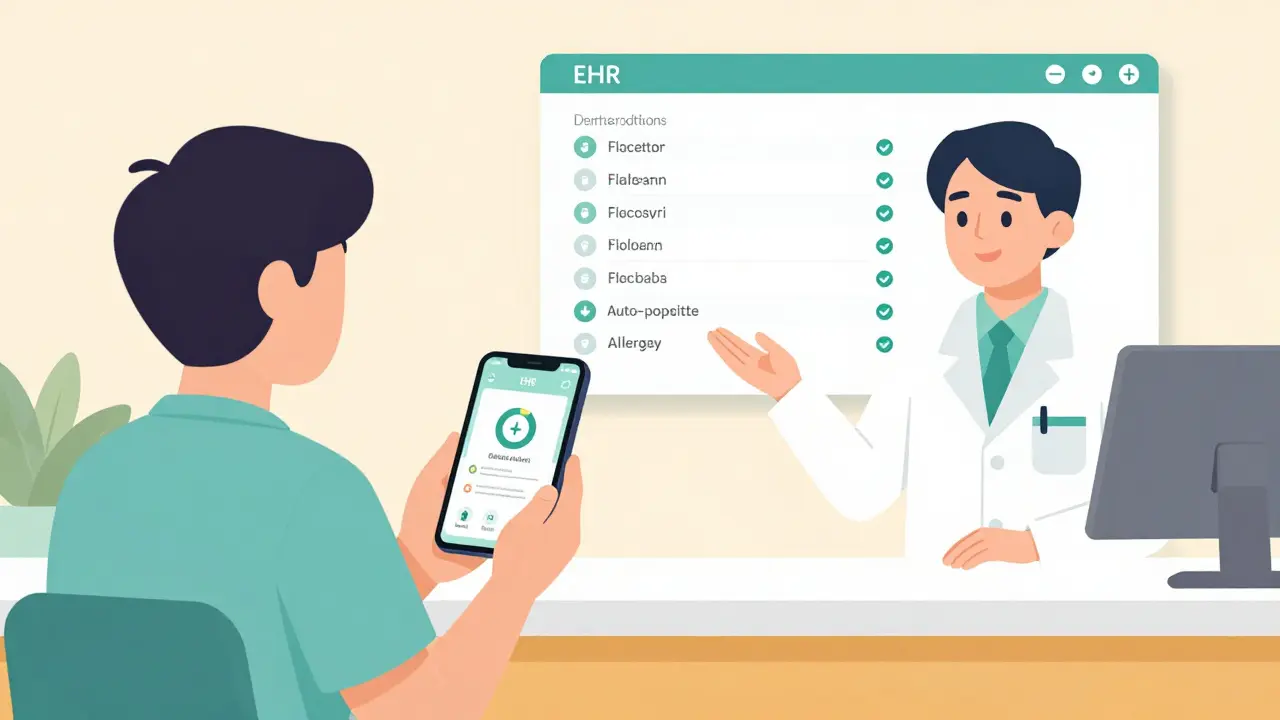
- Drug names must be displayed in full (no abbreviations like "NSAID" or "HCTZ")
- Dose, route, and frequency must appear together in one clear line
- Alerts for drug interactions must be prioritized by severity-no more 20 pop-ups at once
- Patient-specific safety info (like allergies or kidney function) must auto-populate in the prescription screen
Hospitals that followed these rules saw a 40% drop in electronic prescribing errors. But many clinics still use outdated systems. If your doctor still uses paper scripts or a clunky EHR, ask if they’re upgrading.
What’s Coming in 2026?
AI is now part of the safety conversation. MedAware’s 2025 study showed AI-driven clinical decision support reduced serious medication errors by 41%. The FDA is already testing AI tools to flag dangerous prescribing patterns before they happen.
ISMP plans to release updated hospital best practices in early 2026, with a focus on AI alerts and expanded high-alert drug lists. The FDA has promised at least two major safety alerts per month through 2026. Tranexamic Acid, a bleeding control drug, was flagged in September 2025 for dangerous dosing mix-ups-expect more like it.
But there’s a problem: staffing. Hospital pharmacist vacancies hit 14.7% in mid-2025. Pharmacies can’t implement safety checks if they’re short-staffed. That’s why many experts say the real issue isn’t the guidelines-it’s the lack of resources to follow them.
What You Should Do Now
If you’re a patient:
- Always confirm your weight is recorded in your chart before any new prescription
- Ask your pharmacist: "Is this a high-alert medication? Can you double-check it with another staff member?"
- Check if your Medicare plan has a medication synchronization program-sign up if it’s offered
- Report any confusing labels or unclear instructions to your pharmacy
If you’re a caregiver or family member:
- Keep a written list of all medications, including doses and times
- Attend medication reviews with your loved one’s pharmacist
- Ask about drug interactions-especially if they’re on five or more prescriptions
If you’re a healthcare worker:
- Review the ISMP 2025-2026 Best Practices Toolkit-it’s free
- Ensure your facility has updated NIOSH hazardous drug protocols
- Push for EHR upgrades that follow ISMP’s electronic communication standards
- Join your pharmacy’s safety committee if one exists
These aren’t bureaucratic changes. They’re lifesavers. The data is clear: when these rules are followed, people live longer, safer lives. The question isn’t whether you can afford to implement them-it’s whether you can afford not to.
What are the most common medication errors being fixed by these new guidelines?
The top errors being targeted are wrong dosing (especially weight-based drugs like insulin or chemotherapy), failure to verify high-alert medications, unsafe handling of hazardous drugs, and confusing electronic prescribing labels. The new rules force double-checks, standardized formats, and better tech to stop these before they hurt patients.
Do these updates affect me if I don’t take strong medications?
Yes. Even common drugs like blood pressure pills, statins, or antibiotics can be misprescribed or misfilled. The new guidelines improve safety for every prescription, not just high-risk ones. For example, better EHR labeling reduces mix-ups between similar-sounding drugs like Lipitor and Lopressor.
Why did NIOSH add three new cancer drugs to the hazardous list?
These three drugs-Datroway®, Grafapex™, and Emrelis™-are antibody-drug conjugates. They’re highly potent, and even tiny amounts can cause cell damage if inhaled or absorbed through skin. Pharmacy staff handling them without proper protection risk long-term health effects. The update was based on new occupational exposure data from cancer centers.
Are these changes mandatory or just recommendations?
It depends. ISMP’s best practices are voluntary but widely adopted. NIOSH guidelines are enforced in workplaces under OSHA rules. CMS measures directly impact Medicare funding-so pharmacies and plans must comply to avoid financial penalties. WHO’s guidelines aren’t legally binding but are used as national policy models.
How can I check if my pharmacy is following the new safety rules?
Ask: "Do you use barcode scanning for all medications?" "Do you do double-checks on high-alert drugs like insulin or warfarin?" "Are your staff trained on hazardous drug handling?" If they hesitate or say "no," consider switching to a pharmacy that prioritizes safety. You have the right to ask.
Is there a free resource I can use to learn more?
Yes. The Institute for Safe Medication Practices offers a free 2025-2026 Best Practices Implementation Toolkit on their website. It includes checklists, training materials, and sample policies. NIOSH also provides free hazardous drug handling modules. Both are designed for pharmacies and healthcare workers.
What’s Next for Medication Safety?
The trend is clear: safety is no longer optional. AI, better tech, and stricter oversight are converging to make medication use safer than ever. But progress depends on action-from pharmacists double-checking doses, to patients asking questions, to policymakers funding training.
If you’re on medication, don’t assume it’s safe just because it’s prescribed. Stay informed. Ask questions. Demand transparency. That’s how real change happens.
Lindsey Wellmann
January 10, 2026 AT 03:46Okay but can we talk about how insane it is that we’re still letting pharmacists work 12-hour shifts with 3 people covering 500 prescriptions? 🤯 I watched my grandma almost get killed because someone confused Lipitor for Lopressor-and the pharmacy was SHORT-STAFFED. This isn’t safety-it’s a miracle economy. 💔
Drew Pearlman
January 10, 2026 AT 23:03I just want to say how deeply moved I am by the sheer dedication of frontline pharmacists who are doing their absolute best under impossible conditions. The fact that these guidelines exist at all is a testament to the quiet heroism of people who show up every day, even when the system is broken. I truly believe that if we keep pushing with compassion and patience, we can build a healthcare system that doesn’t just survive-but thrives. 🌱
Meghan Hammack
January 12, 2026 AT 08:46Y’ALL. Double-checks on insulin? YES. 😭 My uncle died because of a dosing error. No more guessing. No more ‘oh we’re busy.’ If you work in a pharmacy and you’re not doing this-STOP. Go read the ISMP toolkit. NOW. Your next patient could be someone’s mom. 💪
Maggie Noe
January 12, 2026 AT 09:49It’s fascinating how we’ve built an entire medical infrastructure around the assumption that humans are infallible-until they’re not. The real tragedy isn’t the errors themselves, but our systemic refusal to design for fallibility. We punish the pharmacist for the misprint, but never question why the EHR forces 20 pop-ups instead of one prioritized alert. The technology exists. The will? That’s the real bottleneck. 🤔
Alicia Hasö
January 14, 2026 AT 08:51To every patient reading this: You have power. Ask for the double-check. Ask for the barcode scan. Ask if your meds are hazardous. Don’t be polite-be persistent. To every pharmacist: You’re not alone. There are thousands of us standing with you. And to every policymaker: Funding safety isn’t an expense-it’s an insurance policy against human tragedy. Let’s stop treating healthcare like a cost center and start treating it like the sacred trust it is. 🙏
Heather Wilson
January 14, 2026 AT 21:59Let’s be real-this is all performative. The $30k hood upgrades? The AI flags? The ‘mandatory’ double-checks? None of it matters if the system still underpays pharmacists $22/hour and expects them to process 300 scripts an hour. This isn’t safety-it’s PR. The real solution? Pay people enough to care. Everything else is glitter on a sinking ship.
Chris Kauwe
January 15, 2026 AT 21:51WHO’s global framework? Please. We’re spending billions on digital tracking for morphine while our own veterans can’t get pain meds without jumping through 17 hoops. This isn’t safety-it’s globalist bureaucracy disguised as compassion. The real threat isn’t fentanyl leakage-it’s the erosion of American sovereignty under UN mandates. Wake up.
Ian Long
January 15, 2026 AT 22:03Heather’s right about the pay issue-but Chris, you’re missing the point. This isn’t about politics. It’s about a nurse in Texas who caught a lethal dose before it went out. It’s about a pharmacy tech who stayed late to retrain everyone on the new PPE protocols. This is about people choosing to do the right thing even when it’s hard. Let’s not let ideology blind us to the lives being saved right now.
Pooja Kumari
January 16, 2026 AT 00:42My sister is a pharmacist in Mumbai. She told me they don’t even have barcode scanners. No double-checks. No NIOSH training. Just a box of gloves and a prayer. So when you guys talk about $30k hoods and AI alerts… I just want to cry. We need this everywhere-not just in the US. Not just for the rich. For everyone.