
Medication Switching: Understanding the Psychological Impact of Changing Prescriptions
 Mar, 31 2026
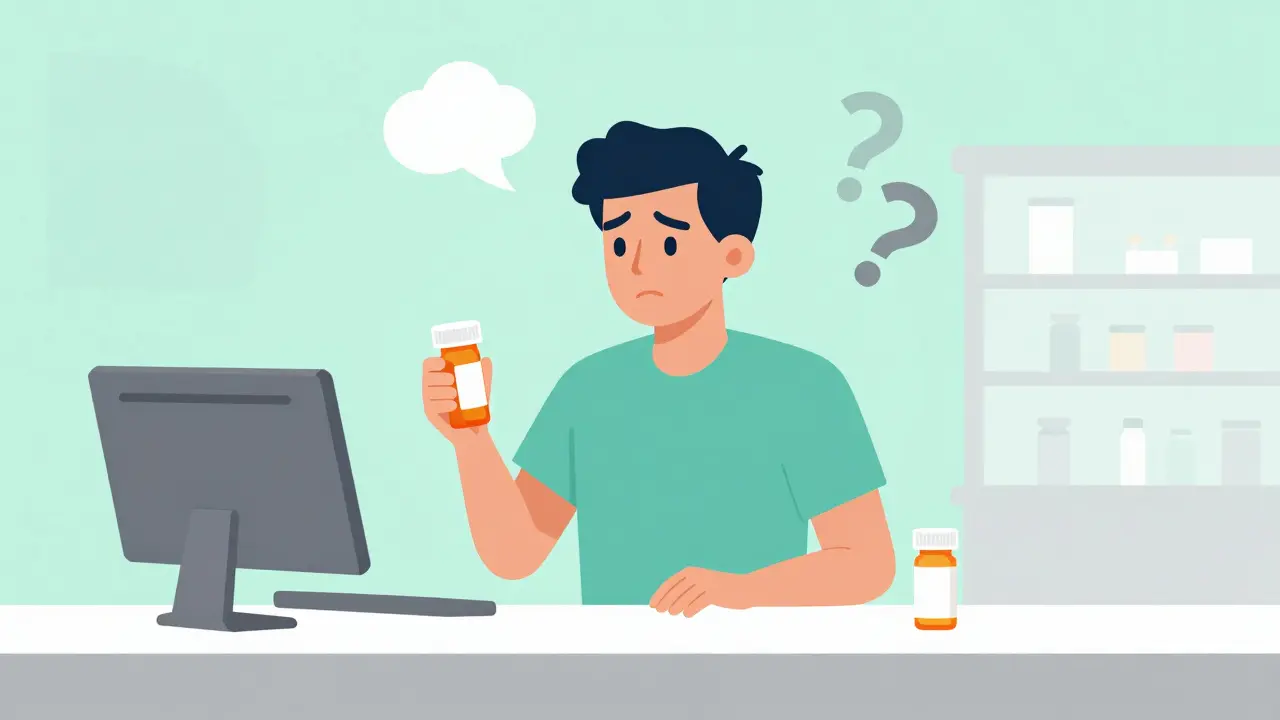
There is a specific kind of quiet panic that happens when your pill bottle looks slightly different than usual. You've been stable for months, maybe years, managing anxiety or depression with a routine that finally feels solid. Then, at the pharmacy, the pharmacist hands you a bottle with a different colored pill or a label from a manufacturer you don't recognize. It sounds minor-just a generic switch-but for many people managing mental health conditions, this small change can feel like losing your footing on a slippery floor.
This isn't just paranoia. The act of switching psychotropic medication carries significant psychological weight that goes far beyond simple pharmacology. When a patient changes from one formulation to another, whether due to non-response, side effects, or external factors like insurance formularies, they are navigating a complex psychological minefield. Research indicates that roughly 11% of antidepressant users will change their medication within just 90 days because the initial treatment didn't stick. But even when the medical reason is sound, the human experience of that transition is often fraught with distress, destabilization, and a profound sense of betrayal by the very system meant to help them.
The Hidden Cost of Changing Chemicals
When we talk about medication, we usually focus on the biology-the receptors, the serotonin levels, the half-life of the drug. But the "brand psychology" of these substances is a massive part of the equation. The mind attaches meaning to the physical properties of the medication. A pill becomes a symbol of safety and stability. Change that symbol, and the brain interprets it as a loss of security.
Studies have shown that the transition process itself triggers distinct psychological phases. Researchers analyzing patient experiences identified three clear stages. First comes the 'loss of self,' where high medication usage feels necessary to function. Second is the accumulation of negative experiences, including withdrawal sensations that patients often describe as electric shocks or dizziness. Third is forming a stable attitude toward the new regimen, though this only happens for about 35% of people after two years. That means the majority never fully settle into a comfortable relationship with their prescription after a switch.
We see this clearly in behavioral data. In a longitudinal study tracking individuals over two years, researchers found that behavioral responses changed drastically during switches. One participant saw his avoidance behaviors skyrocket the moment his quetiapine dosage was reduced. For him, the medication wasn't just treating symptoms; it was structuring how he interacted with the world. Removing it, even slowly, altered his entire personality architecture. This highlights that medication switching isn't just about swapping chemicals-it's about relearning how to exist.
Generic Versus Brand: The Placebo and Nocebo Effect
A frequent point of contention is the difference between brand-name drugs and generic versions. Chemically, they are required to be bioequivalent. Legally, they must deliver the same amount of active ingredient to the bloodstream. However, psychologically, they are rarely treated equally by the patient.
The fear of switching to a generic product creates a nocebo effect, where negative expectations cause actual negative symptoms. If a patient believes the generic version won't work, the lack of therapeutic alliance leads to relapse. Data from the UK Biobank showed that participants with higher polygenic risk scores for depression were significantly more likely to require a switch, suggesting that genetics might predispose some to fail treatments faster. Yet, the decision to switch is often driven by cost or supply rather than biology.
When the switch happens without warning, the psychological damage is deeper. Imagine having a bottle sent home with a completely different shape or color because a hospital pharmacy changed suppliers. Users report feeling like the "system" has lost track of their care. This erosion of trust is critical. A survey on patient forums indicated that nearly three-quarters of users felt less confident in their treatment after an unplanned switch. The medicine worked before, so why does it feel like it's failing now? The answer is often in the head, not the liver.
Navigating the Physical Symptoms of Withdrawal
While the psychological impact is central, the physical sensation of withdrawal fuels the anxiety. Discontinuation syndrome is real, documented in clinical guidelines as early as the DSM-5. When you stop one drug to start another, especially if there is any gap in dosing, the brain reacts violently. Short-half-life medications like paroxetine (Paxil) are notorious for this because they leave the system quickly. In contrast, fluoxetine (Prozac) lingers longer, allowing a more natural tapering off.
Patients describe symptoms that range from the uncomfortable to the debilitating. Reports include severe dizziness, nausea, and those infamous "brain zaps"-sensations described as electrical shocks behind the eyes or moving through the skull. Some describe it as feeling like a junkie needing a fix, highlighting the severity of the psychological dependence established by the treatment. The National Alliance on Mental Illness found that over 60% of individuals reported psychological distress during these transitions. For some, the withdrawal mimics a relapse so closely that they cannot distinguish between the two.
This blurs the line between medical necessity and suffering. When symptoms worsen post-switch, clinicians might assume the patient simply doesn't respond to the new drug. But often, it is the trauma of the withdrawal process itself causing the setback. Without recognizing the distinction, the patient gets switched again, compounding the problem. This cycle contributes to the statistic that around 30-40% of patients on SSRIs will eventually need to switch medications, creating a revolving door of instability.

Cross-Tapering: A Safer Transition Strategy
The gold standard for minimizing this harm is cross-tapering. Instead of stopping one drug cold and starting another, doctors gradually introduce the new medication while slowly withdrawing the old one. Research indicates this method produces 37% fewer adverse events compared to abrupt discontinuation. It requires time-typically 3 to 4 weeks of monitoring-and coordination that not all primary care providers are trained to execute perfectly.
In an ideal scenario, the provider checks the patient's genetic profile to predict how they will metabolize the new drug. Pharmacogenetic testing is growing, yet remains underutilized in general practice. When done right, understanding the half-life of both medications allows for a seamless bridge. For instance, a doctor might lower the dose of citalopram by 10% while raising venlafaxine by 10%, overlapping the window until the full transfer is complete. This smooths out the troughs and peaks in blood concentration, preventing the brain from panicking.
However, access to this level of care varies. Most prescriptions for mental health are now written by primary care physicians who manage other chronic conditions. They may not have the specialized training to oversee a complex neurochemical exchange. Only a fraction of family medicine residencies include formal psychopharmacology protocols. This gap means many patients undergo switching without the protective buffer of cross-tapering, leaving them vulnerable to the worst psychological effects.
Reclaiming Control Over Treatment
If you are facing a switch or worried about one, you need agency. Start by asking questions about the mechanism of the change. Is it because the current drug isn't working, or is it an insurance update? Knowing the driver helps frame your expectations. Request a specific tapering plan in writing. Vague advice like "wean yourself off" sets people up for failure because they underestimate how sensitive their own nervous system is.
Maintain a symptom journal during the transition. Track sleep, mood, and physical sensations daily. This log serves two purposes: it helps the doctor identify if you are experiencing withdrawal versus true treatment failure, and it empowers you to advocate for your needs. If you notice worsening anxiety, you have data to present. Don't rely solely on memory, as the withdrawal fog can distort recall.
Finally, communicate openly about the "brand" issue. If you have a preference for a specific manufacturer (brand or generic), state it. While pharmacies generally rotate stock, consistent communication about which pill works best for you can prevent sudden changes. Remember, the goal is stability, not just filling a prescription. Your mental health history deserves continuity.
Does switching from brand name to generic affect mental health?
While chemically equivalent, generic switches can cause psychological distress due to placebo/nocebo effects or sensitivity to inactive ingredients. About 71% of case studies show symptom worsening following unannounced switches to generics.
How long does a safe medication switch take?
A proper cross-taper typically takes 3 to 4 weeks. Abrupt switches should be avoided. Short half-life drugs (like paroxetine) require slower tapers than long half-life drugs (like fluoxetine).
What are common symptoms of withdrawal during a switch?
Common symptoms include dizziness, "brain zaps" (electric shock sensations), nausea, increased anxiety, insomnia, and flu-like symptoms. These can mimic a mental health relapse.
Why would my doctor switch my medication suddenly?
Switches often occur due to insurance formulary changes, pharmacy stock shortages, or cost concerns. Unplanned switches by pharmacaries without doctor consultation are a frequent source of patient complaints.
Can genetic testing help avoid bad switches?
Pharmacogenetic testing can predict how you metabolize drugs, potentially reducing trial-and-error switching. However, it is currently used regularly by only about 15% of primary care providers.
Hope Azzaratta-Rubyhawk
April 2, 2026 AT 19:28Stability is the absolute baseline for recovery. You cannot negotiate with fluctuating chemistry. Every switch feels like a threat to your identity. The system treats patients as disposable units often. We must refuse to accept this normalization of harm. Trust is not a commodity pharmacies can buy cheap. Your nervous system knows when you are being sold out. Demand written plans for every transition period. Silence is the weapon used against vulnerable people. We break that silence through collective action today. Safety requires constant vigilance and advocacy. Do not let fear paralyze your decision-making process. Empowerment comes from understanding the mechanism deeply. Protect your peace with legal and medical records. Fight for the right to maintain consistency always.
Vicki Marinker
April 3, 2026 AT 00:59Clinical detachment often overlooks the visceral trauma inherent in discontinuation.
Sakshi Mahant
April 3, 2026 AT 10:34Cultural differences play a massive role here too. In many regions, community support buffers the loss of routine. We should listen to diverse patient narratives carefully. Respect for bodily autonomy is universal truth. Please consider the broader human experience in policy.
HARSH GUSANI
April 5, 2026 AT 02:46Big pharma wants money! USA doctors are better than others! 🇺🇸😡 They mess with our brain chemicals on purpose! Don't listen to bad science! Stay strong Americans!
The Charlotte Moms Blog
April 7, 2026 AT 00:07STOP IGNORING THIS!!! It is dangerous!! Doctors need to warn us!!! Why is no one talking about the risks??!! Safety is key!!! Wake up people!!
Aysha Hind
April 7, 2026 AT 12:36The shadows control the supply chains. Generic swaps are subtle poisonings designed to weaken resistance. Look at the timing of these formulary updates carefully. Big money flows from dependency cycles. We are being groomed for fragility on purpose.
Lawrence Rimmer
April 8, 2026 AT 17:41Reality bends when the chemistry shifts internally. Identity is constructed through repetition and ritual. To remove the ritual is to dismantle the self. We suffer because we perceive absence. Meaning is found in the bridge, not the shore.
Hudson Nascimento Santos
April 9, 2026 AT 12:07The external label reflects internal expectations deeply. When the vessel changes, the fluid seems corrupted psychologically. This speaks to the nature of belief systems. Medicine is performance as much as biology.
Divine Manna
April 10, 2026 AT 06:42Technically, bioequivalence limits are 80-125 percent. Most people fail to grasp statistical variance implications. Withdrawal symptoms correlate with receptor downregulation rates. You ignore half-life differentials at your peril. Proper pharmacology requires detailed adherence.
Joey Petelle
April 10, 2026 AT 10:36Honestly, these complaints are trivial for most of us. Real strength doesn't need a specific plastic color. Weakness gets comforted by arbitrary packaging details. Stop crying over small things like this. Move on and get stronger.