
Managing High Blood Pressure: Natural Strategies and Medication Control Guide
 Feb, 4 2026
Over 1.28 billion adults worldwide have high blood pressure. Effective high blood pressure management combines natural strategies with prescribed medications to reduce risks and side effects. This approach isn't about choosing between pills or potions-it's about using both intelligently under medical guidance.
What is Hypertension and Why Management Matters
Hypertension means consistently elevated blood pressure. According to the 2017 American Heart Association guidelines, this is systolic pressure above 130 mm Hg or diastolic above 80 mm Hg. Left untreated, it raises stroke risk by 14% and heart disease mortality by 9% for every 5 mm Hg reduction in systolic pressure. The World Health Organization reports hypertension affects nearly 1 in 3 adults globally, making it a silent killer that demands proactive management.
Evidence-Based Natural Strategies for Hypertension
Natural approaches work best when combined with medication, not as replacements. The DASH diet is a proven method developed by the National Heart, Lung, and Blood Institute. This eating plan focuses on fruits, vegetables, whole grains, and lean proteins while limiting sodium. Strictly following the DASH diet for just 14 days lowers systolic pressure by 8-14 mm Hg. For maximum effect, aim for 4,700 mg potassium, 1,250 mg calcium, and 500 mg magnesium daily while keeping sodium below 2,300 mg.
Coenzyme Q10 shows impressive results at 100-225 mg daily. A 2018 meta-analysis in the Journal of Human Hypertension found it reduces systolic pressure by 11-17 mm Hg and diastolic by 8-10 mm Hg. Take it with fatty meals for better absorption. Similarly, garlic supplements (specifically aged garlic extract at 600-1,200 mg daily) lower systolic pressure by 7-10 mm Hg in stage 1 hypertension patients. Hibiscus tea is another powerful ally-drinking 3-4 cups daily for 6 weeks reduces systolic pressure by 7.2 mm Hg compared to placebo.
Physical activity is equally critical. Regular aerobic exercise like brisk walking for 150 minutes weekly lowers systolic pressure by 5-8 mm Hg. For best results, maintain moderate intensity (3-4 mph pace) and monitor blood pressure before and after workouts. Magnesium supplementation at 368 mg daily provides modest but consistent benefits, reducing systolic pressure by 2 mm Hg and diastolic by 1.8 mm Hg according to a 2019 study in the Journal of the American Heart Association.
How Natural Strategies Interact With Medications
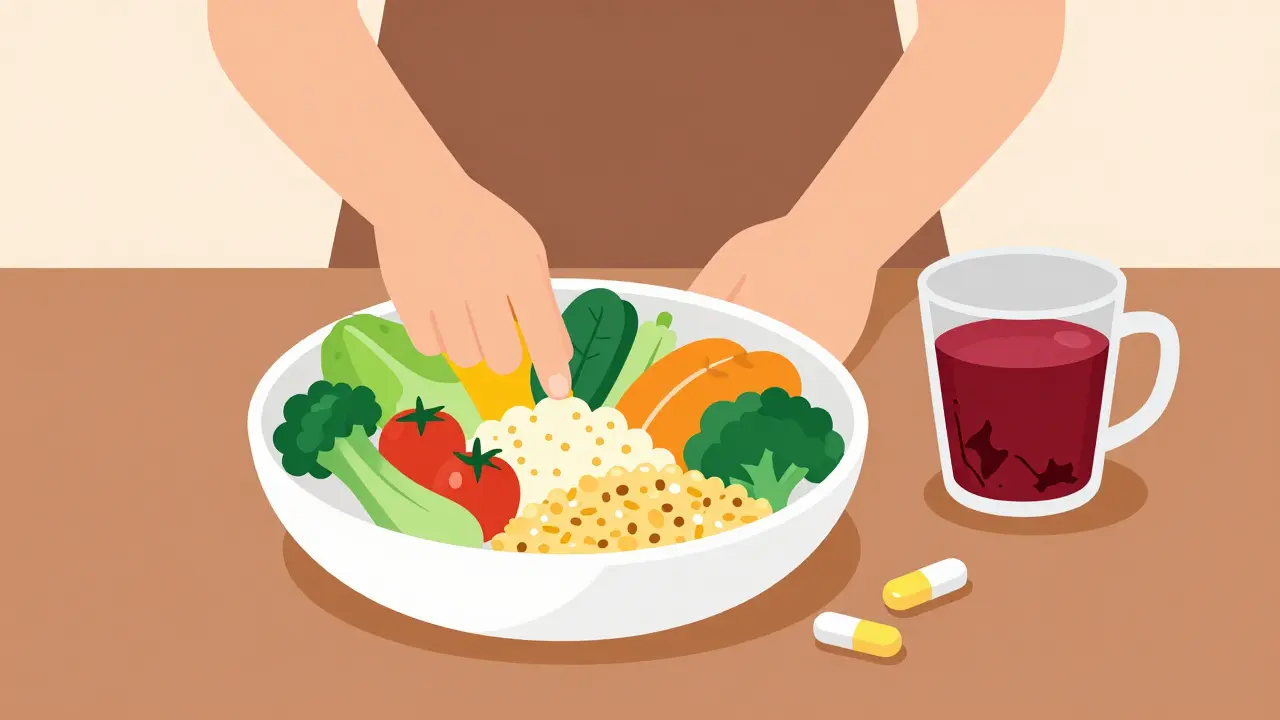
Combining natural approaches with medication requires caution. Garlic supplements can dangerously amplify the effects of blood pressure medications like lisinopril, causing dizziness or fainting. A Reddit user reported: "Took garlic supplements with lisinopril-got dizzy spells from over-lowering." Similarly, licorice supplements deplete potassium when taken with diuretics, while hawthorn berry may enhance beta-blocker effects. The National Institutes of Health warns that 42% of supplement users don't disclose usage to their doctors, creating hidden risks.
On the positive side, some natural strategies reduce medication needs. The 2023 SPRINT-2 trial showed combining intensive lifestyle changes with reduced medication doses achieved equivalent blood pressure control with 32% fewer side effects. Always inform your doctor about supplements before starting them-this prevents dangerous interactions and helps tailor treatment.
Practical Steps to Combine Natural and Medical Approaches
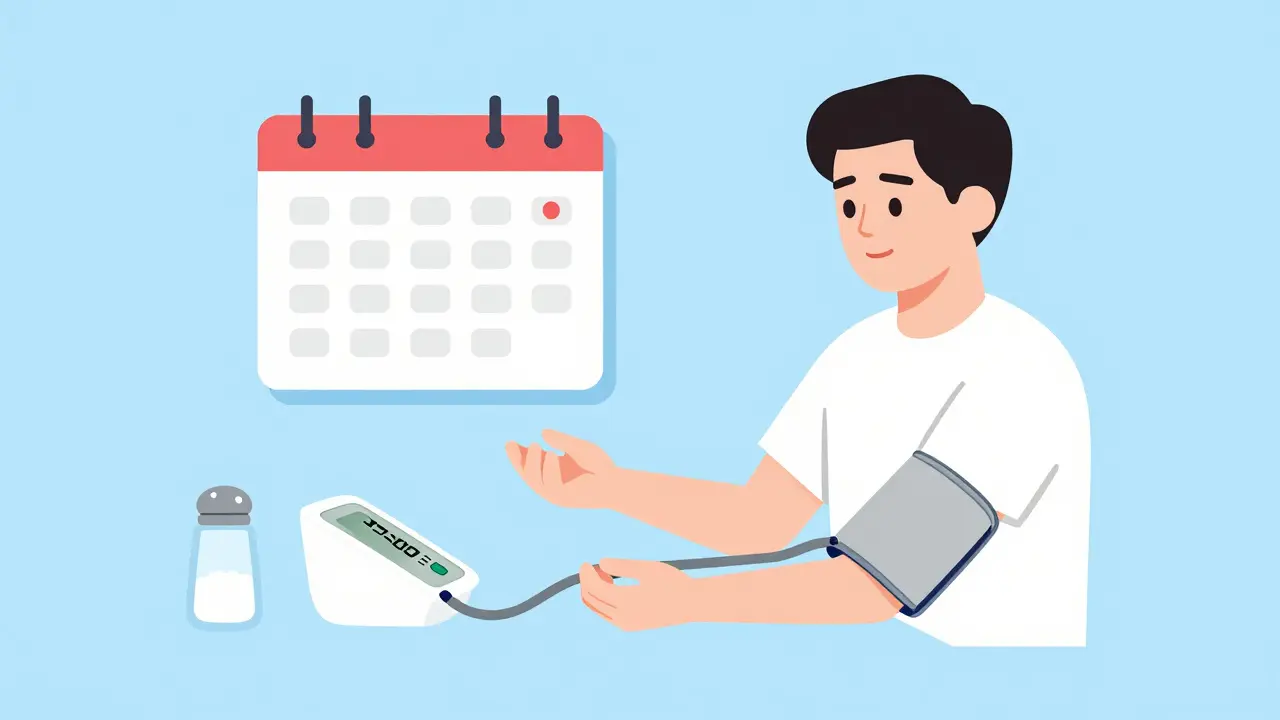
Implementing these strategies successfully requires structure. Start with sodium reduction: aim for 1,500 mg daily (about 3/4 teaspoon of salt). Read food labels carefully-processed foods hide most excess sodium. Gradually transition to the DASH diet over 2-4 weeks to avoid overwhelm. For exercise, break 150 minutes into 30-minute sessions five days weekly. Use a home blood pressure monitor to track progress; take readings at the same time daily before taking medication.
Supplement timing matters. Take Coenzyme Q10 with meals containing healthy fats (like avocado or nuts) for optimal absorption. Garlic supplements work best with food to prevent stomach upset. Hibiscus tea is most effective when consumed consistently-drink 3 cups daily for at least 6 weeks before expecting results. Remember: natural approaches take time. Most show measurable effects in 4-8 weeks versus 2-4 weeks for medications.
| Strategy | Systolic Reduction | Time to Effect | Safety Profile |
|---|---|---|---|
| DASH diet | 8-14 mmHg | 2-4 weeks | Very safe |
| Coenzyme Q10 | 11-17 mmHg | 4-8 weeks | Low risk |
| ACE Inhibitors | 15-20 mmHg | 2-4 weeks | Moderate side effects |
| Aerobic Exercise | 5-8 mmHg | 4-6 weeks | Very safe |
When to Use Medication vs. Natural Strategies
Not all hypertension cases need medication. For stage 1 hypertension (130-139/80-89 mm Hg) with low cardiovascular risk, a 3-6 month trial of intensive lifestyle changes may be appropriate before starting drugs. Harvard Medical School's Dr. Deepak Bhatt notes: "For low-risk stage 1 patients, lifestyle modifications alone can sometimes achieve target blood pressure." However, stage 2 hypertension (≥140/90 mm Hg) or existing heart disease requires immediate medication. The American Heart Association's 2024 advisory states: "Natural approaches alone remain insufficient for stage 2 hypertension or patients with established cardiovascular disease."
Medication becomes essential when natural strategies fail to lower pressure sufficiently. If your home readings stay above 140/90 after 3 months of consistent lifestyle changes, consult your doctor about adding drugs. Common first-line medications include ACE inhibitors (like lisinopril), ARBs (like losartan), calcium channel blockers (like amlodipine), and diuretics (like hydrochlorothiazide). These work differently-your doctor will choose based on your health profile.
Common Mistakes to Avoid
Many people sabotage their hypertension management with simple errors. Skipping blood pressure checks is dangerous-symptoms rarely appear until damage occurs. Home monitoring is critical for tracking progress. Another pitfall is expecting overnight results from natural approaches. Coenzyme Q10 and hibiscus tea take 4-8 weeks to show effects; patience is key.
Ignoring supplement interactions is equally risky. The FDA has issued warning letters to 15 supplement manufacturers for false blood pressure claims. Avoid products promising "miracle cures" or "100% natural replacements for medication." Also, never stop prescribed medications to try supplements. A GoodRx review of 2,841 users showed 78% of those who combined hibiscus tea with medication saw noticeable reductions, while 42% of hawthorn berry users reported no measurable change. Quality matters-choose third-party tested supplements from reputable brands.
Can I replace my blood pressure medication with natural supplements?
No, you should never stop prescribed medications without consulting your doctor. The American Heart Association states that natural approaches alone are insufficient for stage 2 hypertension (≥140/90 mm Hg) or patients with existing cardiovascular disease. While natural strategies can complement medication, they should not replace it for high-risk cases. Always work with your healthcare provider to adjust treatments safely.
How long does it take for natural strategies to lower blood pressure?
Most natural approaches require 4-8 weeks to show measurable effects. DASH diet improvements appear in 2-4 weeks, while supplements like Coenzyme Q10 and hibiscus tea typically take 4-8 weeks. Exercise benefits accumulate over 4-6 weeks. Medications usually work faster (2-4 weeks), but natural strategies provide sustainable long-term results when combined with medication.
What are the safest supplements for hypertension?
Magnesium glycinate (368 mg daily) has the strongest safety profile with minimal side effects. Hibiscus tea is also very safe when consumed as a beverage. Coenzyme Q10 (100-225 mg) is generally well-tolerated but requires fat for absorption. Avoid unregulated supplements like St. John's wort or ephedra, which can dangerously raise blood pressure. Always choose third-party tested products (look for USP or NSF certification) and discuss with your doctor before starting.
Can I take garlic supplements with my blood pressure medication?
Not without medical supervision. Garlic supplements can potentiate the effects of ACE inhibitors (like lisinopril) or ARBs, causing dangerously low blood pressure. One Reddit user reported "dizzy spells from over-lowering" after combining garlic with lisinopril. If your doctor approves garlic supplements, start with the lowest dose (300 mg) and monitor blood pressure closely. Never self-prescribe supplements alongside prescription medications.
How much salt should I consume daily to manage hypertension?
The American Heart Association recommends 1,500 mg of sodium daily for hypertension management-about 3/4 teaspoon of salt. Most Americans consume 3,400 mg daily, so cutting back requires label reading and avoiding processed foods. For every 1,000 mg reduction in sodium intake, blood pressure drops by 5-6 mm Hg systolic. Track your intake using apps like MyFitnessPal, and remember: 75% of dietary sodium comes from restaurant and packaged foods, not home cooking.
Thorben Westerhuys
February 5, 2026 AT 04:21This is SO important!!!! I've been struggling with BP for years, and combining meds with DASH and CoQ10 has made a HUGE difference!!! You HAVE to try it!!!!
Laissa Peixoto
February 6, 2026 AT 00:30While natural strategies are valuable, it's crucial to remember they complement-not replace-medication for many. The DASH diet's effectiveness is well-documented, but individual responses vary. For instance, potassium intake must be monitored, especially with certain medications. Always consult healthcare providers before altering treatment. Sustainable lifestyle changes require patience and consistency. The key is balance: medications for immediate control, lifestyle for long-term health. It's not about choosing one over the other but integrating both safely. For example, CoQ10 can help with medication side effects but requires medical supervision. Sodium reduction is foundational-most people consume triple the recommended amount. Processed foods are the main culprit. Home monitoring is essential; symptoms rarely show until damage occurs. Remember, hypertension is a silent killer. Proactive management saves lives. It's a marathon, not a sprint.
Matthew Morales
February 7, 2026 AT 02:28CoQ10 with fats works great! 😊 I take it with avocado and my BP dropped 10 points. Typos happen-sorry! 😄
Diana Phe
February 8, 2026 AT 08:33Big Pharma is pushing meds to keep us sick. Natural strategies are ignored. They don't want you to know the truth about supplements. It's all about money. The government covers it up. Read between the lines.
Carl Crista
February 9, 2026 AT 08:51Meds are poison. Natural is the only way. They're lying to you.
Andre Shaw
February 10, 2026 AT 16:14DASH diet? Overrated. Real solution is keto. Studies show keto lowers BP way better. Everyone's just sheep following the herd. The real experts know this. But the mainstream media won't tell you.
Tehya Wilson
February 12, 2026 AT 13:17The efficacy of natural strategies remains unproven in clinical trials. Medication adherence is paramount. A 1500mg sodium limit is impractical. Recommend consulting a specialist.
jan civil
February 12, 2026 AT 16:56CoQ10's effectiveness is well-documented in studies. Always consult a doctor before starting supplements.
lance black
February 14, 2026 AT 10:04DASH diet works wonders. BP down 8 points in 2 weeks!
one hamzah
February 16, 2026 AT 04:00Great info! 🌟 DASH diet is life-changing. 💪 Keep going! 🍎✨
Matthew Morales
February 16, 2026 AT 21:58Yeah! And CoQ10 with avocado-total game changer. 😊