
How to Communicate Generic Substitution to Pediatric and Senior Patients
 Dec, 19 2025
When a pharmacist hands you a pill that looks different from what you’ve been taking for years, it’s natural to feel uneasy. For parents of young children and older adults managing multiple medications, this moment can cause confusion, fear, or even lead to stopping the medicine altogether. The truth is, generic substitution is safe, legal, and saves billions every year. But safety doesn’t mean understanding. And without clear communication, even the best drug can fail.
Why Generic Substitution Feels Risky
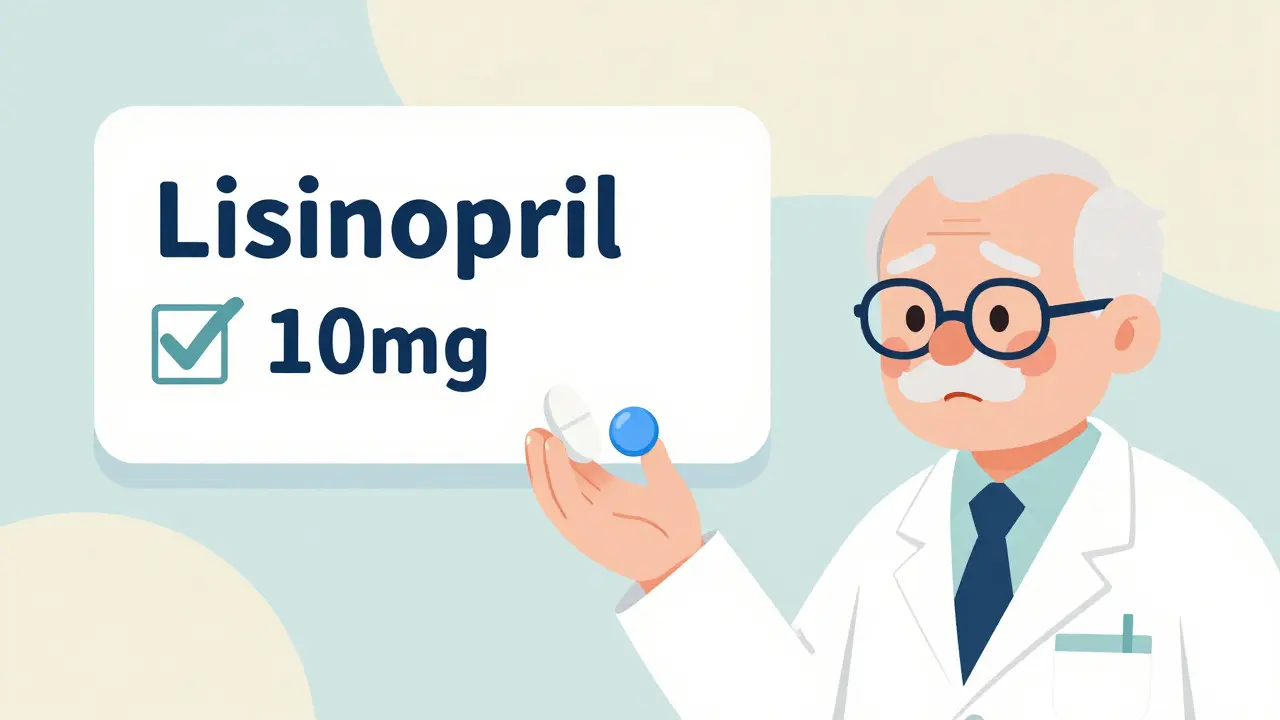
Generic drugs contain the same active ingredient as brand-name drugs. They must meet strict FDA standards for bioequivalence - meaning they deliver 80% to 125% of the same amount of medicine into the bloodstream. That’s a wide range, but it’s still considered clinically equivalent for most drugs. The problem isn’t science. It’s perception. For senior patients, changing the shape, color, or size of a pill can trigger real anxiety. One 78-year-old man stopped taking his blood pressure medicine because it changed three times in six months. He thought each new pill was a different drug. He wasn’t wrong to worry - his doctor had never explained why the pills looked different. For parents, the issue is often taste. A 2-year-old refused a generic amoxicillin suspension because it tasted bitter. The brand-name version was sweetened and flavored. The generic wasn’t less effective - it just tasted worse. The child stopped taking it. The infection came back. The nocebo effect is real. If someone believes a cheaper pill won’t work, their body often responds as if it’s true. Studies show 58% of seniors report new side effects after switching to generics - even when no chemical change occurred. That’s not the drug’s fault. It’s the fear.What’s Different for Kids
Pediatric medications aren’t just smaller versions of adult pills. They’re designed for swallowing, tasting, or mixing into food. Brand-name drugs for children often come as sweet liquids, chewable tablets, or sprinkle capsules. Generics? Many are only available as regular tablets or bitter suspensions. According to the FDA, only 32% of generic pediatric drugs have child-friendly formulations, compared to 68% of brand-name versions. That’s a huge gap. A parent might not know that the generic version doesn’t have the same flavoring, texture, or dosing tool. They assume it’s the same. It’s not. The American Academy of Pediatrics says: don’t substitute automatically. Ask: Is this child old enough to swallow a tablet? Can they tolerate the taste? Is there a liquid form? If the answer is no, stick with the brand - even if it costs more. Adherence matters more than savings when a child’s health is at stake. For kids with epilepsy or asthma, even small changes in absorption can matter. A 2017 Danish study found some patients had seizure relapses after switching to a different generic version of the same drug. It wasn’t because the generic was bad. It was because the body had adapted to the exact formulation - and the change disrupted that balance.What’s Different for Seniors
Seniors take an average of 4.8 prescription drugs. Many have memory issues, vision problems, or trouble reading small print. When their blood pressure pill changes color every few months, they don’t know if it’s the same medicine or something new. They might skip doses. They might take too many. A 2021 study found that 73% of adverse reports from seniors came from unexpected changes in pill appearance - not the drug itself. That’s why geriatric specialists recommend counseling before the change happens. Don’t wait for the patient to notice. Call them. Explain. Show them the new pill. Let them hold it. Use large-print labels. Offer a pill organizer with pictures. Involve a family member. Seniors trust people, not pamphlets. If their daughter or grandson helps them understand why the pill changed, they’re far more likely to keep taking it. Also, don’t assume they know what “generic” means. Many seniors think it means “weaker.” A 2021 CMS survey found 68% of seniors believe generics are less effective. That’s not true - but it’s a belief that needs to be corrected with simple, repeated explanations.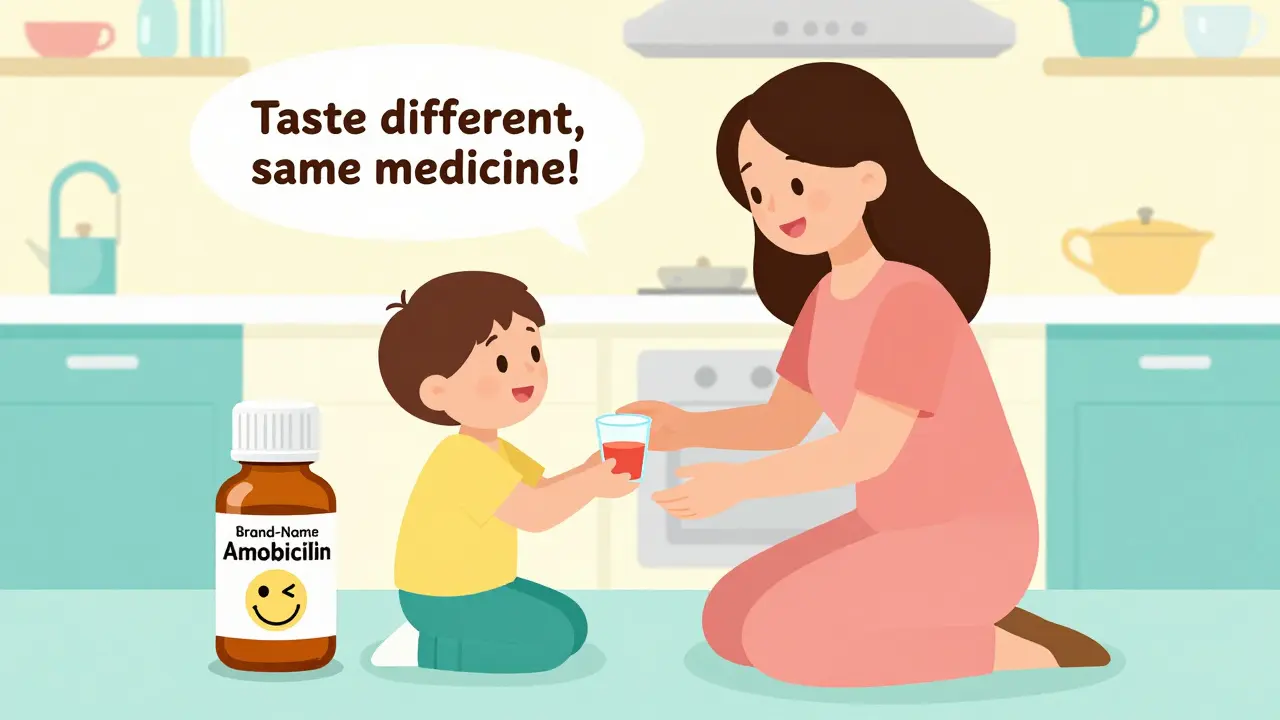
How to Talk About It - The Right Way
Saying “this is the same medicine” isn’t enough. It’s vague. It doesn’t address fear. It doesn’t build trust. Here’s what works:- Use plain language. Say: “This is a cheaper version of your medicine. It has the same active ingredient and works the same way. The only difference is the color, shape, or taste.”
- Use the teach-back method. After explaining, ask: “Can you tell me in your own words why we’re switching?” If they say, “Because it’s cheaper,” that’s not enough. Ask: “And what’s the same about this pill?” If they say, “It’s the same medicine inside,” you’ve succeeded.
- Show, don’t just tell. Hold up the old pill and the new one. Point out the differences. Say: “This one is round, this one is oval. But the medicine inside is identical.”
- For kids: focus on taste and ease. Say: “The new medicine might taste a little different. If your child doesn’t like it, we can talk about other options.”
- For seniors: use visuals and involve caregivers. Give them a printed picture of the pill with its name and dose. Add a note: “This is your blood pressure pill. It changed shape but not medicine.”
What to Avoid
Don’t say: “It’s just a generic.” That sounds dismissive. Don’t say: “It’s the same as the brand.” That’s misleading - it’s not the same. It’s equivalent. Don’t assume the patient understands “bioequivalence.” Don’t use terms like “pharmacokinetics.” Don’t say, “The FDA says it’s fine.” That doesn’t reassure someone who’s scared. Avoid automatic substitution without discussion. In 19 states, pharmacists are required to switch to generics unless the doctor says no. But that doesn’t mean the patient should be left in the dark. The law doesn’t care about fear. You do.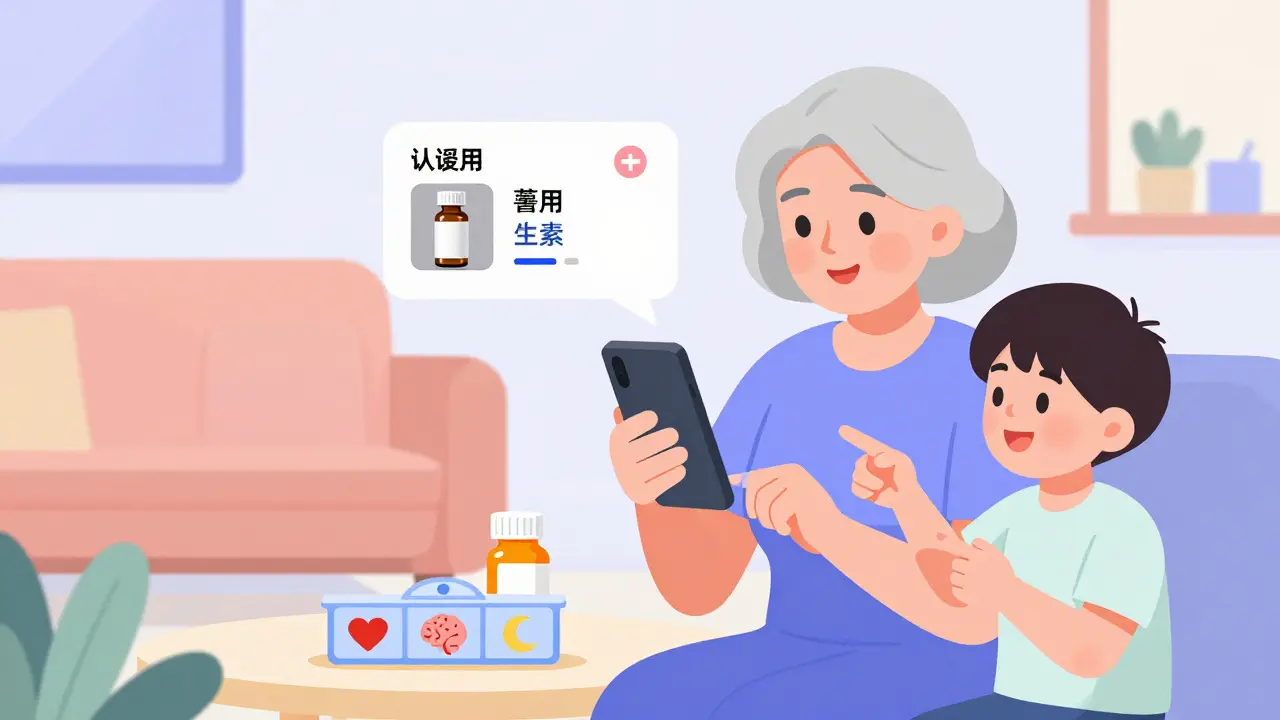
When to Say No to Substitution
Some drugs are too sensitive to change. These are called narrow therapeutic index drugs - where even small differences in absorption can cause harm. Examples include:- Warfarin (blood thinner)
- Levothyroxine (thyroid hormone)
- Phenytoin, carbamazepine (anti-seizure)
- Cyclosporine (transplant drug)
What’s Changing - And What’s Coming
The FDA launched its Generic Drug Communications Initiative in 2023. New guidelines now require manufacturers to explain formulation differences in patient materials. That’s a big step. In 2024, the American Society of Health-System Pharmacists updated its guidelines to require population-specific counseling - meaning pediatric and geriatric patients get tailored explanations, not one-size-fits-all scripts. Twenty-eight states are now considering laws to block automatic substitution for high-risk drugs in kids and seniors. That’s not because generics are unsafe. It’s because communication has been neglected for too long. Digital tools are helping too. Apps that let seniors scan their pill and see a photo, name, and dose are gaining traction. One University of Florida study found 67% of seniors felt more confident using these tools.Final Thought: It’s Not About the Pill - It’s About Trust
The real issue isn’t whether generics work. They do. The issue is whether patients believe they work. And belief comes from trust - not from laws, not from labels, not from cost savings. For parents, it’s about knowing their child will take the medicine. For seniors, it’s about knowing they won’t make a mistake. Both need clear, calm, consistent explanations. They need to feel heard. They need to know someone is watching out for them. Generic substitution saves money. But it shouldn’t cost trust. When you take the time to explain - really explain - you don’t just improve adherence. You improve care.Are generic drugs really the same as brand-name drugs?
Generic drugs contain the exact same active ingredient as brand-name drugs and must meet FDA standards for bioequivalence - meaning they deliver 80% to 125% of the same amount of medicine into the bloodstream. They’re not identical in appearance, taste, or inactive ingredients, but they are medically equivalent for most people. The FDA requires generics to work the same way and have the same risks and benefits as the brand.
Why do generic pills look different?
By law, generic drugs can’t look exactly like brand-name pills because of trademark rules. That’s why color, shape, and size change. But the medicine inside is the same. The differences are only in inactive ingredients like dyes, fillers, or coatings - which don’t affect how the drug works. Still, for seniors or children, these visual changes can cause confusion or fear, which is why clear communication is essential.
Can generic drugs cause side effects that brand-name drugs don’t?
The active ingredient is the same, so true side effects from the drug itself should be identical. But sometimes, differences in inactive ingredients - like flavors, preservatives, or fillers - can cause reactions in sensitive people. More often, what people call “side effects” are actually the nocebo effect: feeling worse because they believe the cheaper pill won’t work. Studies show seniors report more side effects after switching, even when the drug hasn’t changed chemically.
Should I always choose the generic to save money?
Not always. For most people, yes - generics are safe and effective. But for children, seniors, or those on narrow therapeutic index drugs (like seizure meds or blood thinners), consistency matters more than cost. If a child refuses a generic because of taste, or a senior gets confused by changing pill shapes, staying on the brand may be the safer, smarter choice - even if it costs more. Savings shouldn’t come at the cost of adherence or safety.
What should I do if my child or senior parent refuses the generic?
Don’t force it. Talk to your pharmacist or doctor. Ask if there’s a different generic version with a better taste or form. For kids, check if a liquid or chewable option exists. For seniors, ask if the pharmacy can use a pill organizer with pictures or send a photo of the new pill ahead of time. Sometimes, switching back to the brand - even temporarily - is the best way to restore trust and ensure the medicine is taken as needed.
Is there a list of drugs that shouldn’t be switched to generics?
Yes. Drugs with a narrow therapeutic index - where small changes in blood levels can cause harm - include warfarin, levothyroxine, phenytoin, carbamazepine, and cyclosporine. For these, many doctors and pharmacists avoid switching unless absolutely necessary. In some states, patient consent is required before substitution. Always ask your provider: “Is this a drug that’s better kept on the same version?”
How can I help my elderly parent understand their meds when they change often?
Use a pill organizer with pictures of each pill. Take a photo of the new pill and label it with the name and dose. Keep a simple list: “This is my blood pressure pill - it changed from white oval to blue round, but the medicine inside is still lisinopril.” Ask a family member to help check the pharmacy bag each time. Consider using a medication app that scans pills and shows their name and purpose. Consistency and visuals reduce confusion.
Do pharmacists have to tell me when they switch to a generic?
In 31 U.S. states and Washington, D.C., pharmacists are legally required to notify patients when a generic substitution is made. In 19 states, substitution is automatic unless the doctor says no. But notification doesn’t mean explanation. Even where required, many pharmacists just hand over the pill without talking. It’s up to you to ask: “Why did this change? Is it safe?” Don’t assume they’ll explain - always speak up.
Mahammad Muradov
December 20, 2025 AT 21:21Let’s be real - generics aren’t ‘equivalent’ if a kid throws up the bitter suspension or an old man skips doses because he thinks the blue pill is poison. The FDA’s 80-125% range is a legal loophole, not a medical guarantee. You can’t measure trust in bioequivalence metrics. People aren’t lab rats.
Connie Zehner
December 21, 2025 AT 16:02I’m a nurse and I’ve seen this firsthand 😔 My grandma switched to a generic levothyroxine and started having panic attacks - same dose, same everything. The pharmacist didn’t even tell her it changed. She thought she was dying. Now she refuses ALL generics. And honestly? I get it.
holly Sinclair
December 22, 2025 AT 00:36There’s a deeper philosophical layer here that no one talks about - the commodification of health. We treat medicine like a commodity, optimized for cost-efficiency, but human biology isn’t a supply chain. The body remembers formulations. The mind remembers fear. The child who refuses the bitter syrup isn’t being difficult - they’re communicating a trauma of taste and trust. We’ve reduced care to a transaction, then wonder why adherence fails. It’s not about the pill. It’s about the relationship between the person and the system that delivers it. And systems don’t hold hands. People do.
Monte Pareek
December 22, 2025 AT 17:50Stop acting like generics are dangerous. They’re not. The problem is lazy communication. If you’re a pharmacist and you just slap a new bottle on the counter without explaining - that’s your failure. Not the generic. Not the FDA. You. You have 30 seconds to hold up the old pill and the new one and say ‘same medicine, different look.’ Do it. Every time. No excuses. If you can’t do that, you shouldn’t be handing out meds. This isn’t rocket science. It’s basic human decency. And if you’re a parent or a senior and you don’t ask ‘why did this change?’ - you’re doing your own health a disservice. Speak up. Always. Your life depends on it.
Tim Goodfellow
December 23, 2025 AT 15:56Man I love how this post nails it - it’s not about science, it’s about soul. I’ve got my 82-year-old mum on warfarin and we’ve got a little photo album of her pills. Each one has a name, a color, a shape, and a story. ‘This one’s the red oval - it’s your heart helper. It changed last month but the magic inside is the same.’ She calls it her ‘pill diary.’ It’s dumb. It’s beautiful. And it keeps her alive. Sometimes care isn’t high-tech. It’s just a photo and a hand holding yours.
Elaine Douglass
December 23, 2025 AT 16:13I used to work in a pharmacy and I swear most people don’t even know what generic means. I’d hand them the new pill and they’d just say thanks and walk out. No questions. No clue. Then they’d come back a week later saying ‘it didn’t work’ - but they never took it because they thought it was a different drug. We need to stop assuming people know stuff. Just tell them. Slowly. Like they’re your grandma.
Alex Curran
December 23, 2025 AT 17:52For pediatric meds the taste gap is criminal. My son’s generic amoxicillin tasted like battery acid. Brand was strawberry. Generic was… nothing. Just chemical bitterness. He gagged every time. We switched back to brand even though it cost 3x. His health > my wallet. End of story. Why aren’t generics required to match flavor profiles for kids? It’s not a luxury - it’s a necessity.
Dikshita Mehta
December 24, 2025 AT 04:16One thing missing from this discussion is accessibility. Not everyone has a family member to help them. Not everyone can read labels or use apps. For seniors living alone, a pill that changes shape every month is a puzzle they can’t solve. Pharmacies should be required to offer free visual aids - printed images, color-coded cards, voice-recorded explanations. It’s not extra service. It’s basic care.
pascal pantel
December 25, 2025 AT 13:44Let’s cut through the emotional noise. The nocebo effect is real but it’s not an excuse for poor clinical judgment. If a patient reports side effects after switching, the first step should be confirming adherence and ruling out drug interactions - not caving to fear. Most generics are fine. The real issue is over-medicalization of perception. We’re treating anxiety as a pharmacological problem. It’s not. It’s a communication failure. Fix the communication. Don’t capitulate to irrational fears. The FDA’s standards are robust. Trust the data, not the anecdotes.
Gloria Parraz
December 27, 2025 AT 08:18I cried reading this. My dad took the same blood pressure pill for 15 years - white oval. Then one day it was blue round. He didn’t tell anyone. He stopped taking it. Three weeks later he ended up in the hospital. We found out he thought it was a new drug meant to ‘replace’ the old one. He didn’t know it was the same. He didn’t know how to ask. We lost months. Don’t let this happen to your family. Talk. Show. Hold their hand. It’s not about the pill. It’s about not letting them feel alone.
Sahil jassy
December 28, 2025 AT 06:09My aunt in Delhi takes 7 meds and her pharmacy changes generics every time she goes. No explanation. No pictures. She just swallows whatever they give her. I made her a simple WhatsApp list with photos of each pill and its name. Now she sends me pics before she takes them. It’s not fancy. But it works. Simple tools > complex policies.
Kathryn Featherstone
December 28, 2025 AT 16:18My son’s neurologist refuses to switch his seizure med to generic - even though insurance pushes it. He says: ‘If it ain’t broke, don’t fix it.’ And honestly? That’s the smartest thing I’ve heard. Stability isn’t just about dosage. It’s about rhythm. Routine. Trust. For some people, the pill is part of their identity. Don’t take that away without asking.
Nicole Rutherford
December 30, 2025 AT 10:42People who say generics are unsafe are just scared of saving money. The FDA doesn’t lie. If you’re still on brand-name because you’re ‘afraid’ - you’re being manipulated by Big Pharma marketing. Stop being emotional. Check the data. The science is clear. Generic = same active ingredient. Period. Stop letting fear dictate your health choices. You’re not special. Your body isn’t magic. Take the generic and shut up.