
How to Avoid Overdose When Restarting a Medication After a Break
 Jan, 26 2026
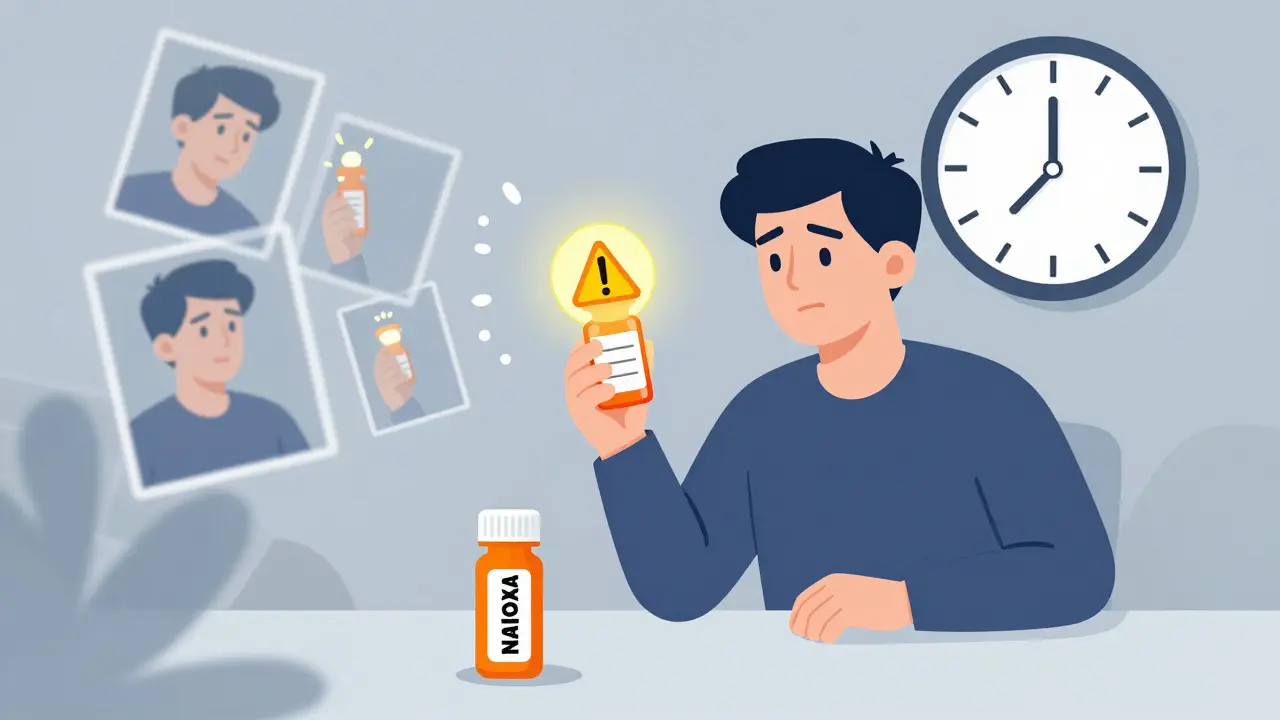
Restarting a medication after taking a break can be deadly-even if you used to take it safely. This isn’t just a theory. It’s a real, documented risk that kills people every year. You might think, ‘I took this before, I know how much I need,’ but your body doesn’t remember. After even a few days off, your tolerance drops fast. That same dose that once felt normal can now stop your breathing.
Why Your Body Forgets How to Handle the Drug
When you stop taking certain medications-especially opioids like oxycodone or fentanyl, benzodiazepines like diazepam, or even some antidepressants-your body slowly loses its ability to process them. This is called tolerance loss. It happens faster than most people realize. For short-acting opioids, tolerance can drop within 3 to 5 days. For methadone, it’s around 7 to 10 days. In some cases, like with MAOIs, you need weeks just to safely restart another medication without risking serotonin toxicity.This isn’t about willpower or discipline. It’s biology. Your brain’s receptors downregulate when the drug isn’t present. Your liver enzymes slow down their metabolism. Your lungs become more sensitive to respiratory depression. When you take your old dose again, your system is overwhelmed. You’re not being careless-you’re being biologically outmatched.
High-profile cases like actor Philip Seymour Hoffman’s death after 23 years of sobriety show how dangerous this is. He wasn’t using heavily-he was trying to get back on track. But his body had forgotten how to handle the dose he once used. That’s why medical experts call this one of the most tragic patterns in addiction medicine.
Which Medications Carry the Highest Risk?
Not all medications are equally dangerous to restart. The biggest risks come from drugs that affect your central nervous system:- Opioids (oxycodone, hydrocodone, fentanyl, methadone): These are the deadliest. Even small amounts after a break can cause fatal respiratory depression.
- Benzodiazepines (alprazolam, clonazepam, diazepam): Used for anxiety or sleep, they suppress breathing and can cause coma when combined with alcohol or opioids.
- Antidepressants (especially MAOIs, SSRIs, SNRIs): Restarting too soon after stopping an MAOI can trigger serotonin syndrome-a life-threatening spike in body temperature, heart rate, and blood pressure.
- Antipsychotics (quetiapine, olanzapine): Can cause sudden drops in blood pressure, dizziness, or fainting if restarted at old doses.
Even if you’re not using opioids, mixing any of these with alcohol, sleep aids, or muscle relaxants multiplies the danger. A 2023 Washington State report found that 7 out of 10 fatal overdoses involved multiple sedating substances.
How to Restart Safely: The Proven Protocol
There’s a clear, evidence-based way to restart medication without risking overdose. It’s simple, but it requires patience and medical support.- Ask: Do you still need this medication? Sometimes, after a break, your condition has changed. You might not need the same drug anymore. Talk to your doctor before restarting.
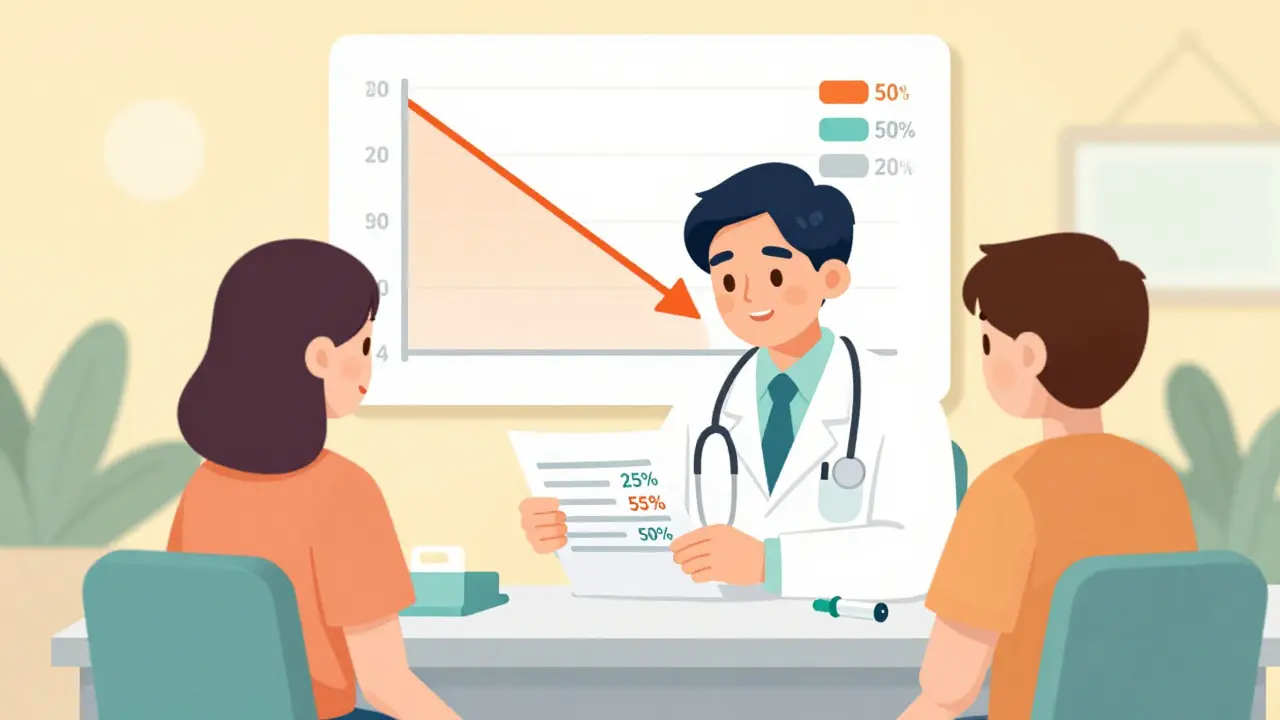
- Start at 25-50% of your old dose. For opioids, this is non-negotiable. If you used to take 40mg of oxycodone daily, start with 10mg. For benzodiazepines, start at 25% of your previous dose. For quetiapine, begin with 25mg and increase by 25-50mg every few days.
- Wait at least 24-48 hours between dose increases. Your body needs time to adjust. Don’t rush. If you feel dizzy, drowsy, or your breathing feels slow, stop and call your doctor.
- Use naloxone. If you’re restarting an opioid, have naloxone on hand-and make sure someone you trust knows how to use it. Naloxone reverses opioid overdoses in minutes. It’s not a safety net-it’s a lifeline. Washington State guidelines say this should be given to every patient restarting opioids.
- Get monitored. If possible, restart under medical supervision. Hospitals, addiction clinics, and some pharmacies now offer supervised restart programs. A 2023 study from Evoke Wellness found that 87% of patients who restarted under supervision avoided overdose, compared to only 42% who did it alone.
When to Avoid Restarting Without Help
There are times when restarting alone is too risky:- You’ve been off the medication for more than 7 days.
- You were on a high dose before (over 50mg morphine equivalent daily).
- You’ve had a recent overdose, hospitalization, or incarceration.
- You’re also using alcohol, sleeping pills, or other sedatives.
- You’re restarting an MAOI or switching from one antidepressant to another.
These aren’t just warnings-they’re red flags. The Washington State Department of Health reports that 62% of opioid overdose deaths happen within 72 hours of leaving jail, rehab, or the hospital. That’s because people leave with no plan, no support, and no understanding of how much their body has changed.
What to Watch For: Warning Signs of Overdose
If you’re restarting medication, watch for these signs-especially in the first 3 days:- Slow breathing (fewer than 12 breaths per minute)
- Pinpoint pupils (tiny, unresponsive dots in your eyes)
- Unresponsiveness (you can’t wake someone up, even when shaken)
- Blue lips or fingernails (sign of low oxygen)
- Extreme drowsiness (falling asleep uncontrollably)
If you see any of these, call emergency services immediately. Don’t wait. Don’t hope it passes. Use naloxone if you have it. Even if the person wakes up, they still need medical care. The effects can return after naloxone wears off.
What’s New in 2026: Better Tools, Better Safety
The field of overdose prevention has improved dramatically in the last few years:- Pharmacogenetic testing is now available in some clinics. It checks your genes to see how fast you metabolize drugs-helping doctors pick the right starting dose.
- Extended-release naltrexone (Vivitrol) can be given before restarting opioids. A 2023 Johns Hopkins study showed it reduces overdose risk by 73% in the first 30 days.
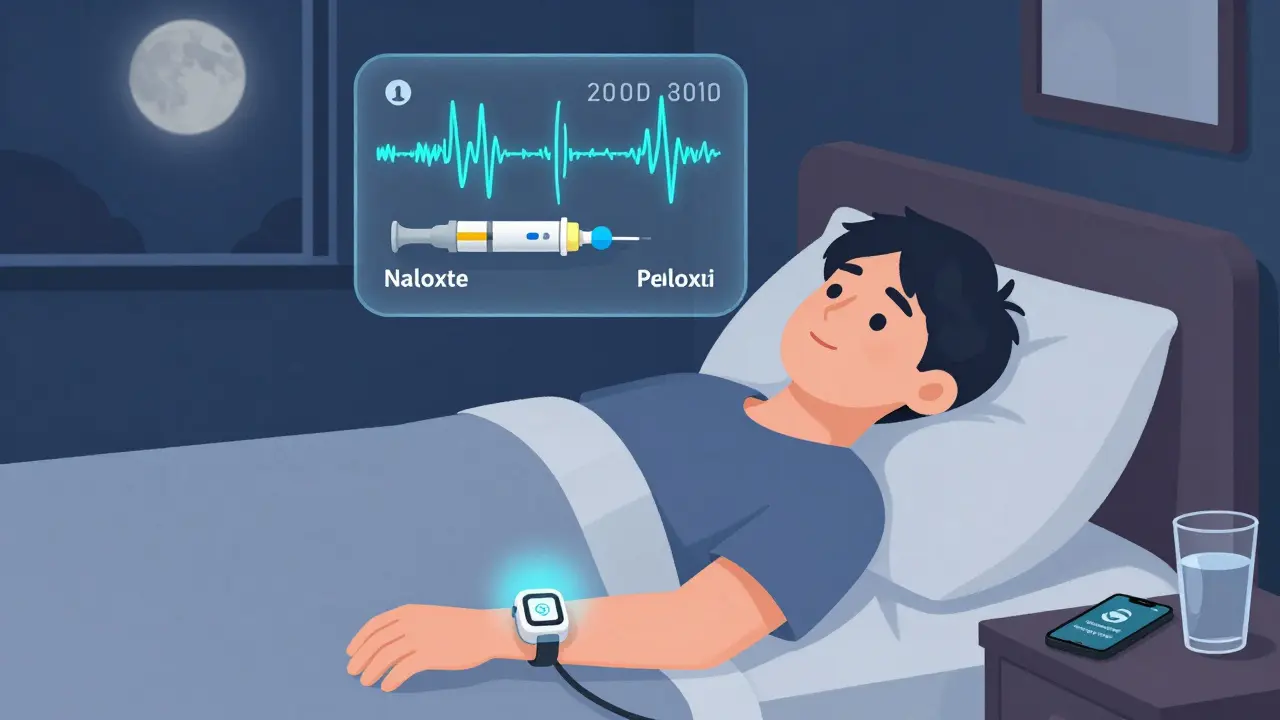
- Wearable monitors are in clinical trials. These devices track breathing and automatically inject naloxone if they detect danger-like a personal overdose alarm.
- Insurance coverage has improved. Medicare now covers 100% of naloxone. Most private insurers cover supervised restart programs. But rural areas still lag-only 32% of rural hospitals have formal protocols.
The CDC’s 2024 Overdose Prevention Plan now lists standardized restart protocols as one of its top three priorities. That means more hospitals, clinics, and correctional facilities will be required to have them in place.
What to Do Right Now
If you’re planning to restart a medication after a break:- Don’t guess your dose. Don’t rely on memory.
- Call your doctor or pharmacist. Ask: ‘What’s the safest way to restart this?’
- Get naloxone. It’s free or low-cost at most pharmacies in Australia and the U.S.
- Tell someone you trust what you’re doing. Ask them to check on you.
- Wait. Even if you feel fine, your body is still adjusting. Slow is safe.
There’s no shame in asking for help. The people who survive these situations aren’t the ones who pushed through. They’re the ones who waited, listened, and followed the rules.
Can I restart my medication on my own if I only took a few days off?
No. Even a 3-day break can reduce your tolerance enough to make your old dose dangerous. For opioids and benzodiazepines, tolerance drops rapidly. Always start at 25-50% of your previous dose, even after a short break. If you’re unsure, talk to your doctor.
Is naloxone really necessary if I’m not using opioids?
If you’re restarting any sedating medication-like benzodiazepines, sleep aids, or even high-dose antipsychotics-naloxone won’t help. But you still need someone nearby who can recognize overdose signs and call for help. Naloxone is only for opioids. For other drugs, emergency care is the only safe response.
How long should I wait before increasing my dose after restarting?
Wait at least 24-48 hours between each increase. Some medications, like methadone or MAOIs, need even longer. Never increase based on how you feel-increasing too fast is the most common cause of overdose during restart. Let your body adjust slowly.
Can I restart antidepressants like sertraline after stopping for a week?
Yes, but not at your old dose. Start at 25% of your previous amount. For example, if you were on 100mg, start with 25mg. Increase slowly over 1-2 weeks. Watch for nausea, dizziness, or worsening anxiety. If you were on an MAOI, you must wait at least 14 days before starting any SSRI or SNRI to avoid serotonin syndrome.
What if I accidentally took my old dose after a break?
Call emergency services immediately, even if you feel okay. Symptoms can be delayed. If you have naloxone and suspect opioid use, use it now. Don’t wait for symptoms to worsen. Overdose can happen hours later. Go to the hospital anyway-even if you feel fine. Your body may still be processing the drug.
Mel MJPS
January 27, 2026 AT 15:28Just wanted to say this post saved my life. I restarted my oxycodone after 10 days off and took half my old dose-turned out I should’ve taken even less. I got dizzy and called my doc right away. They got me on a safer schedule. Don’t be like me and wing it.
Mindee Coulter
January 29, 2026 AT 03:49YES. I’m so tired of people saying ‘just use less’ like it’s a choice. Your body forgets. Full stop. Naloxone isn’t optional if you’re restarting opioids. Get it. Teach your roommate. Do it now.
Rhiannon Bosse
January 29, 2026 AT 07:17LOL so now the government wants us to take 25% of our dose? Next they’ll tell us to wear a helmet when breathing. They’re just trying to control us. I took my full dose after 5 days off and I’m fine. Coincidence? Maybe. Or maybe they’re just scared of people being strong again.
Kathy Scaman
January 30, 2026 AT 05:07My cousin did this after jail. Didn’t know any of this. Took his old dose. Didn’t wake up. Naloxone was in the car but no one knew how to use it. RIP. This post? Should be mandatory reading for everyone leaving rehab or prison.
Anna Lou Chen
January 31, 2026 AT 05:06Ah yes, the neoliberal pharmacological hegemony reasserts its ontological dominance over embodied autonomy. The body as a site of biopolitical regulation-your tolerance isn’t lost, it’s *suppressed* by capitalist medical apparatuses that profit from dependency cycles. The real solution? Decriminalize all substances and let individuals recalibrate through phenomenological self-awareness, not dosage charts dictated by Big Pharma.
Colin Pierce
February 1, 2026 AT 12:32As a pharmacist, I’ve seen this too many times. People come in thinking they’re fine because they ‘used to handle it.’ Nope. Tolerance drops faster than your phone battery in cold weather. Always start low. Always. And if you’re on benzos or opioids-get naloxone. It’s free at CVS in most states. No excuse.
Mark Alan
February 2, 2026 AT 16:32🇺🇸 AMERICA: Where your body forgets how to survive your own meds but the government won’t let you buy fentanyl test strips without a PhD. 😤💊 #FreeTheDose #StopTheMedicalGatekeeping
Amber Daugs
February 2, 2026 AT 19:12People who restart meds after a break are just weak. If you had real discipline, you wouldn’t need to stop in the first place. This whole post is enabling. Just quit cold turkey and stop being so fragile.
Robert Cardoso
February 4, 2026 AT 00:50Let’s be real-the 25-50% rule is arbitrary. Tolerance isn’t linear. It’s a complex nonlinear system influenced by CYP450 polymorphisms, gut microbiome shifts, and epigenetic methylation patterns. A blanket percentage ignores individual variability. What’s needed is pharmacogenetic-guided titration, not guesswork based on outdated protocols.
James Dwyer
February 5, 2026 AT 07:24You’re not alone. I’ve been there. Took a break, came back too fast, got scared, called my therapist, and we made a plan. Took 3 weeks to get back to my old dose. Felt better than ever. Patience isn’t weakness. It’s wisdom.
jonathan soba
February 6, 2026 AT 09:27Interesting that the article cites Washington State data but ignores the UK’s harm reduction model, which relies on supervised consumption sites and peer support rather than dose reduction protocols. The American approach is reactive, not proactive. The real issue is systemic neglect, not individual noncompliance.
matthew martin
February 7, 2026 AT 05:16I used to think I was a tough guy-until I nearly died restarting my quetiapine after a weekend off. Thought I could handle it. Felt like my chest was collapsing. Ended up in the ER. Now I start at 12.5mg, even if I used to take 200. My body doesn’t care how strong I think I am. It just wants to live. So I listen. And so should you.
Jess Bevis
February 7, 2026 AT 08:10Start low. Go slow. Tell someone. Naloxone. That’s it.