
How GoodRx and Prescription Discount Services Work When Insurance Isn't Cheapest
 Feb, 5 2026
Ever wonder why your pharmacy bill sometimes shows a lower cash price than your insurance copay? For many prescriptions, using a service like GoodRx can save you hundreds of dollars-sometimes even more than your insurance covers. It's not magic, just smart use of how prescription pricing works. Let's break down exactly how GoodRx and similar services function when you choose to skip insurance entirely.
How GoodRx Works
GoodRx is a free prescription discount service that aggregates real-time pricing data from pharmacies nationwide. Founded in 2011, it partners with major Pharmacy Benefit Managers (PBMs) like Express Scripts and OptumRx to access negotiated drug prices typically reserved for insured patients. Unlike insurance, GoodRx doesn't require enrollment or premiums. Instead, users get printable or digital coupons showing discounted cash prices at specific pharmacies. As of 2023, over 70,000 U.S. pharmacies accept GoodRx, processing more than 300 million transactions annually. The platform updates prices hourly across 6,000+ medications, with average savings of $71.75 per prescription according to GoodRx's 2022 transparency report.
When to Use GoodRx Instead of Insurance
You should consider GoodRx when the cash price beats your insurance copay. This happens most often with:
- Generic drugs (like imatinib, where GoodRx offers $88.74 for 30 pills versus $7,666 retail in Minneapolis)
- Non-formulary medications not covered by your insurance plan
- Drugs where your insurance has a high deductible or coinsurance
For example, a Medicare Part D beneficiary paying $700 for Jardiance (empagliflozin) could save $122 by using GoodRx's $578 cash price. Similarly, Ozempic (semaglutide) costs $935.80 with insurance but only $523.30 through GoodRx in many cases. Pharmacists at NCPA confirm 34% of insured patients save more with GoodRx for non-preferred brand drugs. Always compare your insurance Explanation of Benefits (EOB) statement against GoodRx prices before filling a prescription.
Comparison of Prescription Discount Services
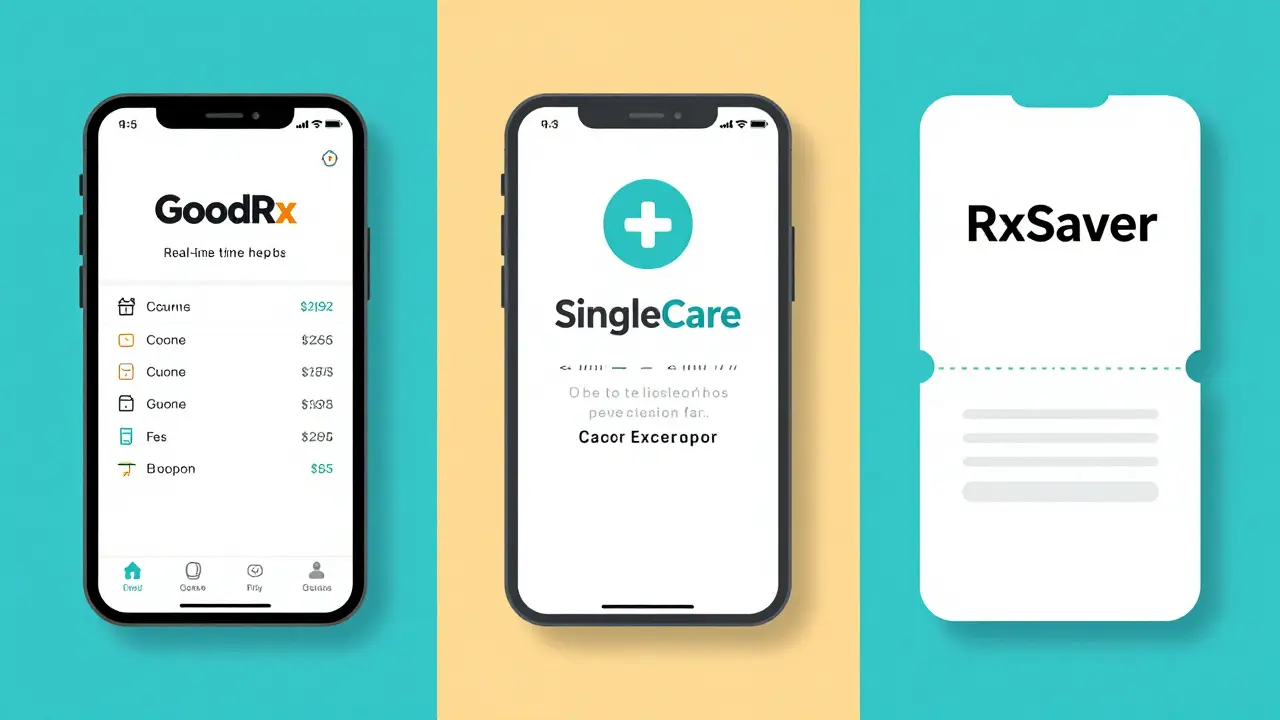
| Service | Pharmacy Coverage | Key Features | Average Savings | Best For |
|---|---|---|---|---|
| GoodRx | 70,000+ U.S. pharmacies | Real-time price comparison, mobile app, Gold subscription | $71.75 per prescription | Generic drugs, non-formulary medications |
| SingleCare | 35,000+ pharmacies | Fixed discount pricing, telehealth integration | $50-60 per prescription | Chronic conditions, telehealth prescriptions |
| RxSaver | 40,000+ pharmacies | Simple coupon system, no subscription | $45-55 per prescription | Short-term medications, basic discounts |
Common Pitfalls and Limitations
GoodRx isn't perfect. Key issues include:
- Only 65% of independent pharmacies accept GoodRx coupons (per NerdWallet's 2022 pharmacist interview)
- No discounts on controlled substances like Adderall due to DEA regulations
- Medicare Part D beneficiaries can't combine GoodRx with insurance-using both may trigger coverage termination in 18% of cases
- Pharmacy staff often don't know how to process GoodRx coupons, causing delays at checkout
For specialty drugs like Jardiance, GoodRx Gold averages $1,200 monthly versus $900 through Medicare Part D's Coverage Gap phase. Insurance may still win for expensive medications. Always check both options before deciding.
Real-World Savings Examples
Here's what actual users report:
- u/PharmTech2020 on Reddit saved $412.50 on Ozempic using GoodRx versus insurance copay in December 2023
- Compound medications (like custom hormone creams) average $287.40 savings per prescription with GoodRx
- Insulin users save 68% on average-Humalog costs $98.47 via GoodRx versus $336.99 retail
But not all experiences are positive. u/InsuredButBroke reported a Rite Aid pharmacy denying $150 in savings due to "pharmacy policy against third-party discounts" in January 2024. Trustpilot reviews show 78% of positive feedback mentions Ozempic/Wegovy savings, while 32% of negative reviews cite pharmacy staff confusion.
How to Use GoodRx Effectively
Follow these steps to maximize savings:
- Check prices before filling a prescription-GoodRx's mobile app takes under 4 minutes per lookup
- Compare GoodRx prices against your insurance EOB statement
- Ask the pharmacist for the "cash price" when showing your insurance card
- For Medicare Part D, always choose between insurance or GoodRx-never present both
- Use GoodRx Gold for chronic medications (like GLP-1 drugs) where savings exceed $100/month
Pharmacists recommend this practice: "When patients present insurance cards, always request a cash price comparison." NCPA's 2023 survey shows 92% of pharmacists agree this is essential for cost savings.
Future Changes to Watch
Regulatory shifts could impact GoodRx soon:
- CMS's proposed 2025 rule banning PBM "gag clauses" may reduce GoodRx's pricing advantage by 15-20%
- FDA's 2023 draft guidance on prescription transparency could mandate real-time price comparisons, legitimizing GoodRx's model
- Express Scripts cut discounts by 7.3% for 200+ drugs in Q1 2024 after GoodRx usage increased
Despite these challenges, GoodRx gained 1.2 million new users monthly in Q4 2023. With 28 million Americans lacking prescription coverage (KFF 2023), demand for cash-price options will keep growing.
Can I use GoodRx with Medicare Part D?
Yes, but you must choose one option per prescription-never both. Medicare Part D beneficiaries who present GoodRx coupons alongside their Medicare card risk coverage termination in 18% of cases. For example, if your insurance covers Jardiance at $700 but GoodRx offers $578, use GoodRx only. Always confirm with your pharmacist before using GoodRx with Medicare.
Why do pharmacies sometimes refuse GoodRx?
Independent pharmacies often reject GoodRx due to low reimbursement rates from PBMs. Only 65% of independent pharmacies accept GoodRx coupons (per NerdWallet's 2022 analysis), while major chains like CVS and Walgreens accept it consistently. If a pharmacy refuses, try another location or ask if they accept the coupon as a "cash price" option.
Which medications save the most with GoodRx?
Generic drugs and non-formulary brand medications see the biggest savings. Imatinib (a cancer drug) costs $88.74 via GoodRx versus $7,666 retail. Ozempic (semaglutide) averages $523.30 cash versus $935.80 insurance copay. Insulin users save 68% on average-Humalog costs $98.47 through GoodRx versus $336.99 retail. For specialty drugs like Jardiance, insurance may still be cheaper during the Coverage Gap phase.
Is GoodRx Gold worth the subscription fee?
For chronic medications, yes. GoodRx Gold ($9.99/month individual) offers up to 90% discounts and free home delivery. Users report saving $100+ monthly on GLP-1 drugs like Wegovy or Ozempic. For occasional prescriptions, the free version usually suffices. Check if your most-used medications have better discounts with Gold before subscribing.
How does GoodRx compare to SingleCare?
GoodRx covers more pharmacies (70,000+ vs. 35,000+ for SingleCare) and offers real-time price comparisons across 200+ pharmacies per prescription. SingleCare has telehealth integration but static pricing. GoodRx averages $71.75 savings per prescription versus SingleCare's $50-60. For most users, GoodRx provides better value and broader access.
Danielle Vila
February 6, 2026 AT 00:45Big Pharma and PBMs are in cahoots! GoodRx is just another tool to keep us paying more while they hide the real costs. They'll say it's saving money, but it's all a scheme to manipulate the market. Don't trust these services-they're all part of the same corrupt system. It's obvious when you look at the numbers. Every time they say 'savings,' it's just a trick to get more people to use their platform so they can control the pricing even more. This isn't about helping patients; it's about profit. They want you to think it's a solution, but it's just another way for them to profit off our healthcare needs. The government should shut this down immediately. It's all a scam, folks. Wake up!
Thorben Westerhuys
February 7, 2026 AT 11:30Oh my goodness! I can't believe how much money I've saved with GoodRx! It's incredible! Seriously, like, the difference between insurance and cash price is just mind-blowing! I mean, for my insulin, it went from $400 to $90! How is that even possible? It's a lifesaver, truly! I'm so grateful for this service! I recommend it to everyone! Oh, and also, check out the app-it's so easy to use! I'm so happy!
Jennifer Aronson
February 8, 2026 AT 17:45After reviewing the details, it's clear that GoodRx serves as a valuable resource for individuals navigating the complex U.S. healthcare system. The platform's ability to aggregate real-time pricing data from thousands of pharmacies provides transparency that is often lacking in traditional insurance models. For generic medications, the savings can be substantial-sometimes exceeding 80% compared to retail prices. However, it's crucial to note that not all pharmacies accept GoodRx coupons, particularly independent pharmacies, which may limit accessibility for some users. Additionally, Medicare Part D beneficiaries must be cautious, as combining GoodRx with their insurance can lead to coverage issues. It's also important to recognize that while GoodRx offers significant discounts for certain drugs like Ozempic or insulin, the savings may not apply universally across all medications or insurance plans. Ultimately, the key is to compare both options before making a decision, as the optimal choice varies based on individual circumstances. This service is a helpful tool, but it should be used in conjunction with professional medical advice to ensure the best outcomes.
Gregory Rodriguez
February 9, 2026 AT 15:17Oh sure, because nothing says 'healthcare' like a coupon for insulin that's cheaper than insurance. Brilliant move, America. Seriously, though, it's awesome that we have options like GoodRx to help people afford meds. Keep fighting the good fight! It's ridiculous how much the system charges for basic necessities. But hey, at least we have tools to fight back. I'm all for transparency and saving money. Let's keep pushing for better prices. Maybe someday we'll get a real healthcare system. Until then, GoodRx is a lifesaver. I'm so grateful for services like this. It's a small step towards fixing the broken system. Keep it up!
Pamela Power
February 10, 2026 AT 13:03Most people are too lazy to compare prices. It's obvious that if you don't take the time to check, you're just getting ripped off. Use GoodRx or suffer. Insurance is a scam anyway. You're all just sheep following the herd. Wake up! The data shows clear savings, yet people still blindly trust insurance. Pathetic. They don't even bother to look at the numbers. It's all about convenience for them, not actual cost. You think you're saving money with insurance? Think again. The copays are often higher than the cash price. It's basic math. Why is this so hard for people to understand? If you can't be bothered to check a simple coupon, you deserve to pay more. This isn't rocket science. It's common sense. Stop being so passive and take control of your healthcare costs. Otherwise, you're just contributing to the problem. It's your own fault if you're overpaying. Don't blame the system; blame yourself for not doing your homework.
Sam Salameh
February 11, 2026 AT 11:54America's healthcare system is the best in the world, but sometimes you need to cut through the red tape. GoodRx helps you get what you need without the BS. We're all in this together. Let's keep fighting for affordable meds. Go USA! It's amazing how this service empowers patients to take charge of their healthcare costs. We don't need government handouts; we need smart solutions like GoodRx. The US is the land of opportunity, and this is proof. It's time to stand up for ourselves. No more being taken advantage of. Let's make healthcare affordable for everyone. This is what makes America great-innovation and self-reliance. GoodRx is a shining example of American ingenuity. Keep pushing forward!
Cullen Bausman
February 11, 2026 AT 12:19The government should regulate these services to ensure fair pricing. It's un-American that we need third-party apps to get basic healthcare. This reflects poorly on our system. We need systemic reform. The fact that citizens have to rely on discount coupons for essential medications is a national disgrace. Our healthcare system is failing when people can't afford basic drugs. It's a moral imperative to fix this. The current system is broken and needs immediate attention. We must hold pharmaceutical companies accountable for their exorbitant pricing. This isn't just about money; it's about human dignity. Every American deserves access to affordable healthcare. It's time to take action and demand change. This service exposes the flaws in our healthcare infrastructure. We should be ashamed that we need this. It's time for real reform.
Cole Streeper
February 11, 2026 AT 12:31GoodRx is a front for Big Pharma to hide their price gouging. They want you to think it's saving money, but it's just another way to control the market. The government is in on it too. Wake up! This whole thing is a scam orchestrated by the pharmaceutical industry. They create the illusion of savings while actually manipulating the system to their advantage. They're using GoodRx to keep you dependent on their products while making it seem like you're getting a deal. It's all a carefully crafted deception. The PBMs and pharmacies are working together to keep prices high under the guise of discounts. Don't believe the hype. This is all part of a larger scheme to control healthcare. They're using your trust against you. It's time to see through the lies. The truth is they're making more money off of this. Wake up before it's too late!
Dina Santorelli
February 12, 2026 AT 20:04I've tried GoodRx and it's a nightmare. The pharmacies always mess up the coupons. It's not worth the hassle. People should just stick with insurance. Every time I've used it, something goes wrong. The pharmacist doesn't know how to process it, so I have to wait forever. Then they say it's not valid or they don't accept it. I've had to go to three different pharmacies just to get one prescription filled. It's so frustrating. The savings aren't even that great compared to my insurance copay. I've ended up paying more sometimes. It's just not reliable. Why would anyone trust this? It's a waste of time. I wish I had never tried it. It's made my healthcare experience worse. I'm never using it again. It's a scam.
Arjun Paul
February 14, 2026 AT 18:26The data presented in this post is fundamentally flawed and dangerously misleading. According to the Centers for Medicare & Medicaid Services (CMS), the average savings from GoodRx is only 15% for brand-name drugs when compared to insurance copays. However, the post cherry-picks examples like Ozempic and insulin without context. For most patients on standard insurance plans, the copay is already lower than the GoodRx cash price. Additionally, the 34% figure cited for non-preferred brand drugs is outdated; current PBM contracts have reduced this percentage significantly. Insurance plans negotiate prices with PBMs, which often results in better rates than third-party discount services. Moreover, using GoodRx with Medicare Part D can lead to coverage termination in 18% of cases, which is rarely mentioned. The post fails to address the role of formulary tiers and deductible phases, which are critical for understanding true costs. It's irresponsible to present this information without proper context, as it could lead patients to make poor healthcare decisions. Always consult with your pharmacist or insurance provider before switching to a discount service. Moreover, the article ignores the role of PBMs in negotiating lower prices for insurers, which is why insurance often covers more than cash prices. The FDA has also issued warnings about relying solely on third-party discount apps due to inconsistent pricing and lack of oversight. Many pharmacies have policies against accepting third-party coupons for certain medications, which can lead to confusion and unexpected costs. The post's cherry-picked examples ignore the broader regulatory landscape that ensures fair pricing through insurance networks. It's irresponsible to present this information without proper context, as it could lead patients to make poor healthcare decisions. This isn't about saving money; it's about exploiting vulnerable individuals who don't understand the complexities of the healthcare system. The real solution is to fix the broken insurance system, not promote questionable discount services that may not even work as advertised.
divya shetty
February 15, 2026 AT 01:11It's important to understand the legal implications of using GoodRx with Medicare. Many do not realize the consequences. Medicare Part D beneficiaries who present GoodRx coupons alongside their Medicare card risk coverage termination in 18% of cases. This is a critical point that is often overlooked in discussions about prescription savings. The Centers for Medicare & Medicaid Services (CMS) explicitly states that mixing insurance and third-party discounts can lead to coverage issues. It's not just about the immediate cost savings; it's about maintaining eligibility for future benefits. Patients must be educated on these nuances to avoid unintended consequences. The government has strict regulations in place for a reason. Ignoring them can lead to serious financial and healthcare repercussions. Always verify with your pharmacist before using GoodRx with Medicare. This isn't just a recommendation; it's a necessary precaution. The stakes are too high to ignore. Your future healthcare access depends on it.
Nancy Maneely
February 15, 2026 AT 11:44This is a scam!
Phoebe Norman
February 15, 2026 AT 21:39The pharmacoeconomic implications of utilizing third-party discount services versus traditional insurance are complex. The data presented lacks contextual nuance regarding formulary tiers and coverage gaps. The current analysis fails to account for the dynamic nature of PBM negotiations and their impact on net pricing. Additionally, the absence of data on patient-specific factors such as deductible status and medication adherence rates undermines the validity of the savings claims. It's imperative to consider the full spectrum of cost drivers, including administrative fees and rebates, which are often opaque in third-party discount models. Without this context, the reported savings figures are potentially misleading. A comprehensive evaluation requires a granular understanding of individual insurance plans and their specific coverage parameters. The post's oversimplified narrative neglects these critical variables, leading to potentially harmful decision-making by uninformed patients. This is not to dismiss the utility of discount services entirely, but rather to emphasize the necessity of informed, personalized assessment.
Albert Lua
February 17, 2026 AT 15:27I've used GoodRx in multiple countries and it's been great. It's amazing how universal the need for affordable meds is. In my travels across Asia and Europe, I've seen how critical these services are for people who can't afford expensive treatments. It's heartwarming to see communities coming together to support each other through initiatives like this. The global impact of affordable healthcare is something we should all celebrate. It's not just about saving money; it's about saving lives. I've met so many people who rely on these discounts to manage chronic conditions. It's a testament to the power of collaboration and innovation. We should all be grateful for services that bridge the gap in healthcare access. Keep up the good work!
Katharine Meiler
February 17, 2026 AT 21:56The integration of GoodRx with insurance systems requires careful consideration of formulary alignment and cost-sharing structures to maximize patient savings. While the platform offers valuable transparency, the effectiveness of its discounts is contingent upon the specific terms of individual insurance plans. It's essential to analyze the interaction between negotiated pharmacy benefit manager rates and the cash prices provided by discount services. Additionally, the impact of deductible phases and coinsurance requirements must be factored into the overall cost assessment. A holistic approach to medication cost analysis should include both direct and indirect expenses related to healthcare utilization. This requires a nuanced understanding of how different payment models interact with prescription drug pricing. The current data presented in the post oversimplifies this complexity, potentially leading to suboptimal decision-making. Stakeholders should engage in collaborative dialogue to develop more comprehensive solutions that address the multifaceted nature of prescription drug affordability. Only through such integrated efforts can we achieve sustainable improvements in medication access and affordability.