
Evidence-Based Complementary Treatments for Medication Side Effects
 Jan, 26 2026
Medication Interaction Checker
Check if evidence-based complementary treatments interact with your current medications. Based on research from the National Center for Complementary and Integrative Health (NCCIH) and leading medical institutions.
When you're taking medication for a chronic condition-whether it's high blood pressure, depression, cancer, or diabetes-you're not just managing the disease. You're also dealing with the side effects. Nausea, fatigue, dry mouth, insomnia, dizziness, constipation, or even nerve pain can make daily life harder than the original illness. Many people turn to complementary treatments to feel better, but not all of them work, and some can be dangerous. The good news? There are a few evidence-backed options that actually help, and they’re safer when used the right way.
What Counts as an Evidence-Based Complementary Treatment?
Complementary treatments aren’t meant to replace your prescription meds. They’re used alongside them to ease side effects. The key word here is evidence-based. That means studies-randomized trials, meta-analyses, systematic reviews-have shown real, measurable benefits. The National Center for Complementary and Integrative Health (NCCIH) tracks these, and so do major medical groups like the American Heart Association and Cancer Research UK.Not everything labeled "natural" or "holistic" has proof. Herbs, supplements, and alternative therapies are often sold without rigorous testing. Some even interact dangerously with your meds. But a handful have enough solid research behind them to be recommended by integrative medicine clinics at Mayo Clinic, Memorial Sloan Kettering, and other leading hospitals.
Acupuncture: Proven for Nausea, Constipation, and Pain
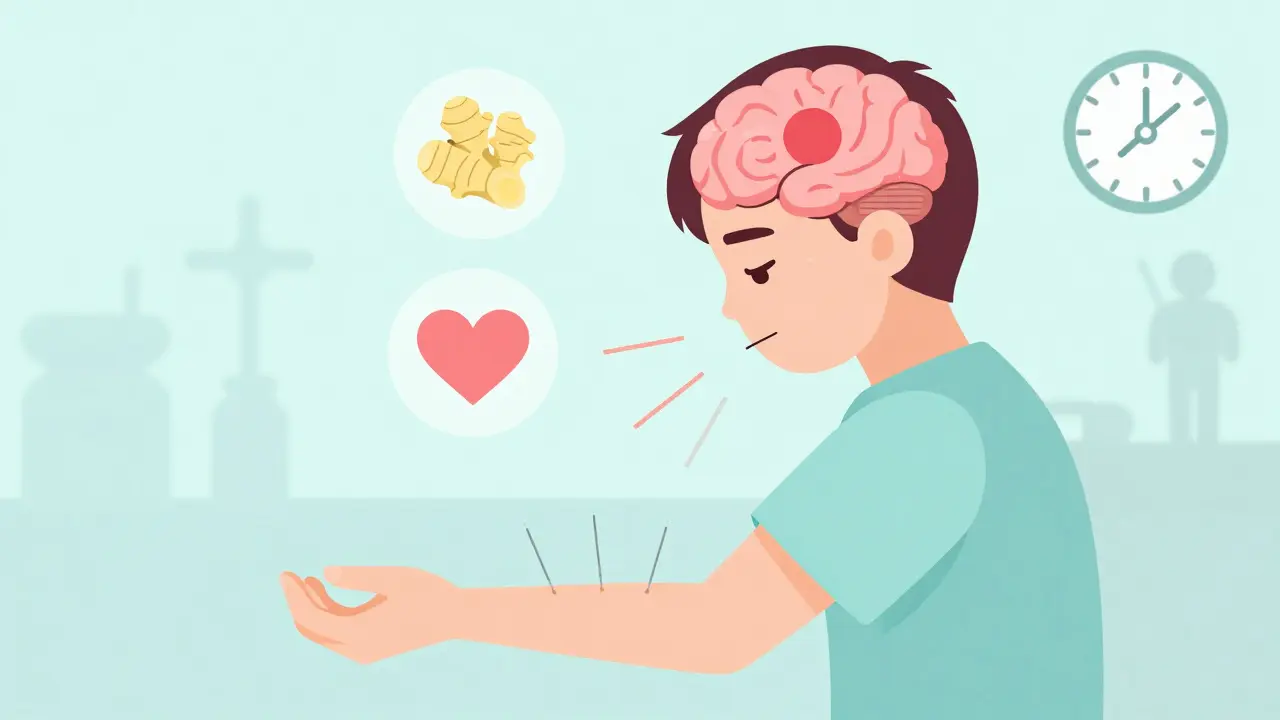
If you’ve ever felt sick to your stomach after chemo, acupuncture might be the most reliable tool you haven’t tried yet. A 2017 meta-analysis in JAMA Oncology found that acupuncture reduced chemotherapy-induced nausea by 36% compared to sham treatments. Another 2020 Cochrane review of 41 trials showed it cut opioid-induced constipation by 32% more than standard care alone.It’s not magic. Needles stimulate nerves that send signals to your brain, helping regulate the vomiting center and gut motility. Sessions are typically weekly for 4-8 weeks, and most patients report mild discomfort at worst. Side effects are rare-minor bruising or dizziness-and nothing like the risks from some herbal supplements.
It also helps with neuropathy from taxol or cisplatin. One verified patient shared on Trustpilot: "Acupuncture reduced my nerve pain by 50%. I could finally walk without wincing." That’s not anecdotal-it’s backed by multiple clinical trials.
Ginger: A Simple Fix for Chemo Nausea
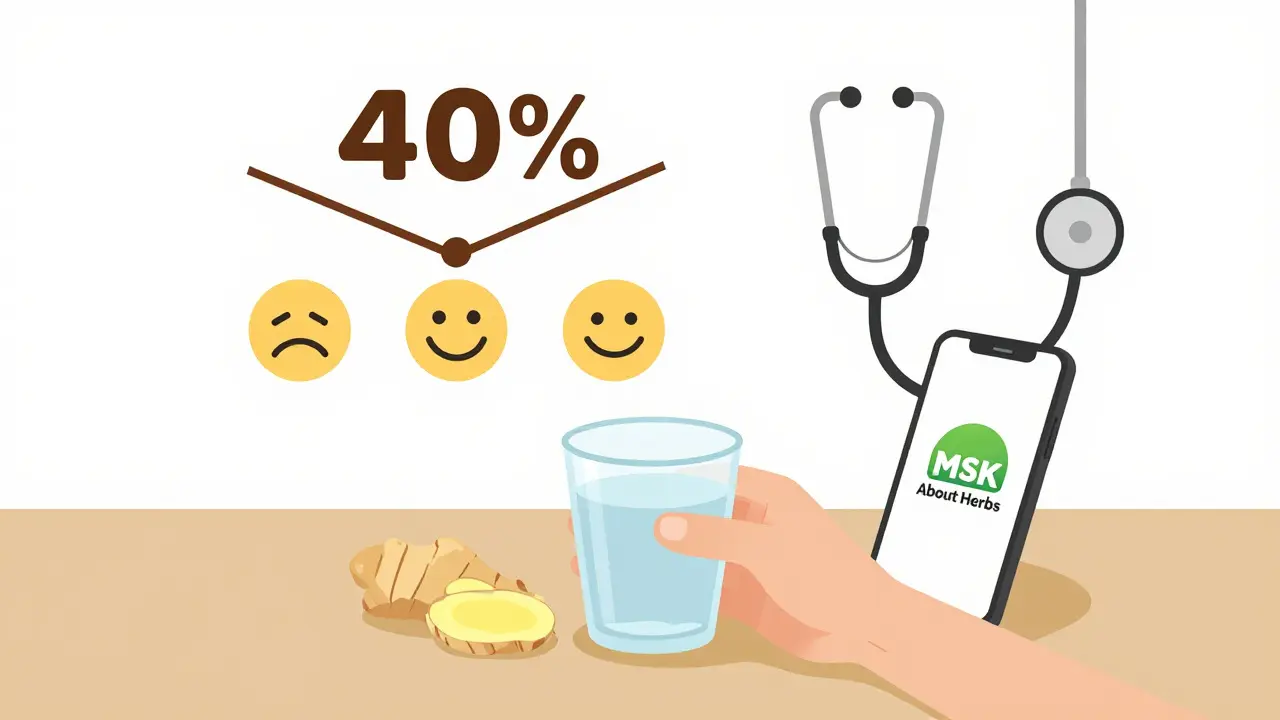
You don’t need a clinic for this one. Ginger-real ginger, not candy or tea bags loaded with sugar-has been shown in multiple studies to cut nausea from cancer treatment by up to 40%. The dose? 0.5 to 1.0 gram per day. That’s about half a teaspoon of powdered ginger or a few slices of fresh root.A 2013 study in the Journal of Pain and Symptom Management gave cancer patients ginger capsules alongside standard anti-nausea drugs. Those who took ginger reported significantly less vomiting and less need for rescue meds. Reddit user u/ChemoSurvivor2022 wrote: "Ginger capsules cut my nausea by 70% compared to ondansetron alone. I didn’t even need to use the patch."
It’s safe for most people, but talk to your doctor if you’re on blood thinners like warfarin. Ginger can slightly increase bleeding risk at high doses. Stick to the recommended amount. And skip the ginger ale-most of it has no real ginger.
Massage Therapy: For Fatigue, Stress, and Muscle Tension
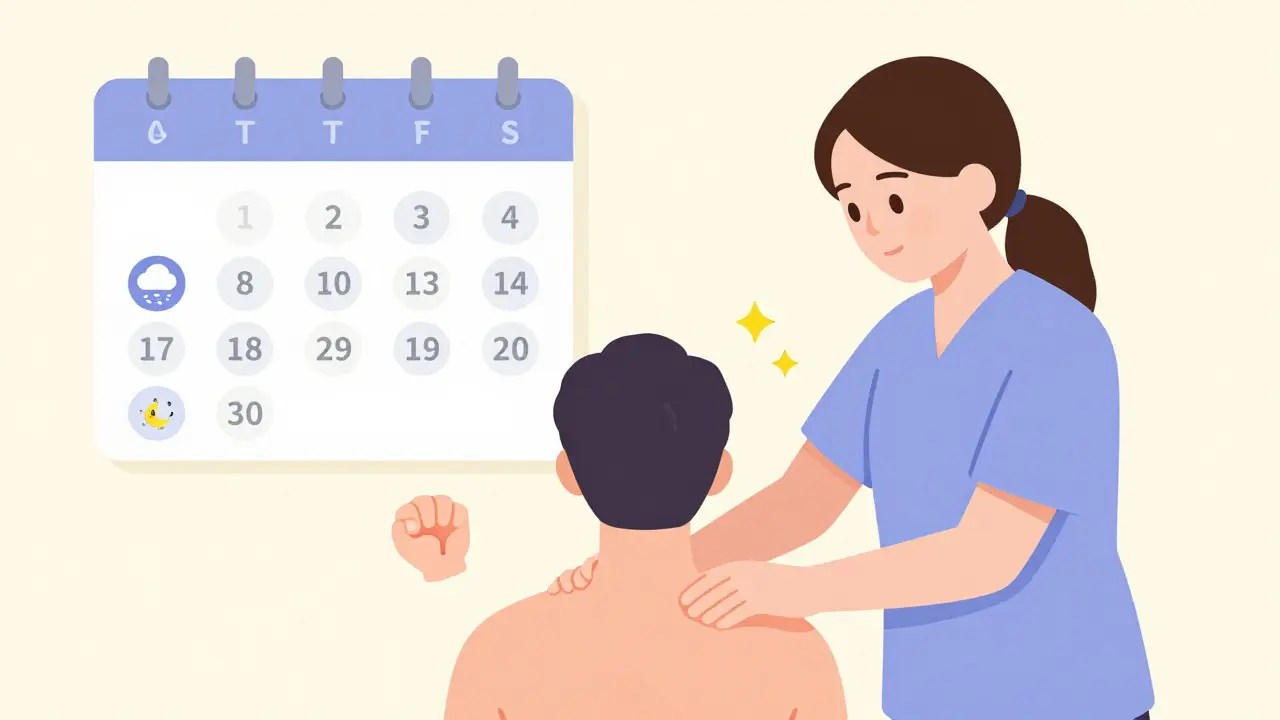
Many medications leave you exhausted or achy. Statins cause muscle pain. Antidepressants can make you feel heavy. Chemotherapy drains your energy. Massage therapy doesn’t just feel good-it’s been shown in studies to lower cortisol, improve sleep, and reduce perceived fatigue.A 2019 review in Supportive Care in Cancer found that cancer patients who received weekly massage for four weeks reported better quality of life and less anxiety than those who didn’t. It’s especially helpful for people on long-term pain meds, where muscle tightness builds up over time.
Look for a licensed massage therapist trained in oncology or chronic illness. Avoid deep tissue if you’re on blood thinners or have low platelets. A gentle Swedish or lymphatic drainage massage is usually safest.
Hawthorn: Use With Caution for Heart Meds
Hawthorn, a berry used in traditional European medicine, has been studied for heart failure and high blood pressure. A 2022 American Heart Association statement found it generally well tolerated and possibly helpful when used with ACE inhibitors or beta-blockers.But here’s the catch: it might interact with digoxin, a common heart drug. The same report warns of "conflicting evidence" on whether hawthorn boosts digoxin’s effects-potentially leading to dangerous heart rhythms. If you’re on any heart medication, don’t try hawthorn without your cardiologist’s approval.
It’s not something to self-prescribe. Even "mild" herbs can have serious consequences when mixed with prescription drugs. The AHA recommends only using standardized extracts under medical supervision.
The Big Risks: Herbs, Supplements, and Hidden Dangers
Not all complementary treatments are safe. Some are outright risky. Blue cohosh can spike your heart rate and blood pressure. Lily of the valley can cause deadly low potassium levels if you’re on digoxin. Milk thistle, often taken for liver support during chemo, has been linked to hospitalizations for liver toxicity.A 2018 study in the Journal of Clinical Oncology found that over half of cancer patients used some form of CAM. Of those, 133 different combinations were tracked-and 20 patients (12.2%) were warned about dangerous interactions. Garlic, ginkgo, ginseng, and fish oil can interfere with blood thinners. Kava kava has been linked to liver damage. Even vitamin C and E, often thought to be "safe," may protect cancer cells during radiation or chemo, according to Cancer Research UK.
The biggest problem? Most people don’t tell their doctors. A UK hospital study found only 20.9% of patients using complementary treatments disclosed them. That’s dangerous. Your pharmacist might not even know what’s in a "natural" capsule. Many supplements are contaminated with unlisted drugs or heavy metals. The Better Health Channel warns: "Many complementary medicines contain active ingredients that people may not recognize."
How to Use These Treatments Safely
You don’t need to avoid complementary treatments. You just need to use them wisely. Here’s how:- Always talk to your doctor first. Don’t assume something is safe because it’s "natural."
- Use only well-researched options. Acupuncture, ginger, and massage have strong evidence. Skip anything with no peer-reviewed studies.
- Track what you take. Write down the name, dose, and frequency of every supplement or therapy. Bring it to every appointment.
- Use trusted resources. The Memorial Sloan Kettering About Herbs app (updated Sept 2023) has 11,000+ monthly users and checks for 300+ drug interactions. The NCCIH website also has a free interaction checker.
- Stop if something feels off. New dizziness, rash, rapid heartbeat, or unusual fatigue? Stop the treatment and call your doctor.
Why Disclosure Matters More Than You Think
Doctors can’t help you if they don’t know what you’re doing. That 20.9% disclosure rate? That’s not just a statistic-it’s a safety gap. A patient taking warfarin and ginkgo might not realize they’re at risk for internal bleeding. Someone on lisinopril and garlic might develop dangerously low blood pressure.Healthcare providers need to ask. And patients need to speak up. The UK hospital study concluded: "The disclosure of CAM use and its adverse outcomes should be encouraged by healthcare professionals." It’s not about judgment. It’s about safety.
Integrative medicine programs at top hospitals now require 12 specific data points about CAM use in patient records. That’s how seriously they take it. If your doctor doesn’t ask, ask them. Say: "I’m using ginger for nausea and acupuncture for pain. Is that safe with my current meds?"
What’s Next for Evidence-Based Complementary Care?
The field is growing fast. In 2023, the NIH allocated $142 million to the NCCIH, with 37% of that going to research on managing medication side effects. The NIH’s new Precision CAM initiative aims to find biomarkers that predict who will respond to which treatment-so you won’t have to guess.More cancer centers now offer integrative services-73% in the U.S., up from 40% a decade ago. But only 32% have formal protocols. That means access is still uneven. If your hospital doesn’t offer acupuncture or integrative counseling, ask if they can refer you to a certified provider.
For now, stick with what’s proven. Acupuncture. Ginger. Massage. Avoid the rest unless your doctor says it’s safe. And never stop your prescribed meds without talking to your provider.
The goal isn’t to replace medicine. It’s to make it bearable. And with the right complementary tools, you can do just that-without risking your health.
Can I use ginger with my chemotherapy drugs?
Yes, ginger at 0.5-1.0 grams daily has been shown in multiple studies to reduce chemotherapy-induced nausea by up to 40%. It’s generally safe when taken with standard anti-nausea medications like ondansetron. However, if you’re on blood thinners like warfarin, check with your doctor first, as ginger can slightly increase bleeding risk at higher doses.
Is acupuncture safe for people with low platelets?
Acupuncture can be safe for people with low platelets if done by a licensed practitioner who uses sterile, single-use needles and avoids deep needling in sensitive areas. Many cancer centers offer modified protocols for patients with low blood counts. Always inform your acupuncturist about your platelet level before treatment.
What supplements should I avoid while on heart medication?
Avoid hawthorn if you’re on digoxin-it can interfere with how the drug works and cause dangerous heart rhythms. Garlic, ginkgo, and fish oil can interact with blood pressure and blood thinning meds like lisinopril or warfarin. Always disclose all supplements to your cardiologist. Stick to what’s proven: massage and acupuncture have fewer interactions and are safer.
Do antioxidants like vitamin C interfere with cancer treatment?
There’s concern that high-dose antioxidants-like vitamins A, C, E, and selenium-might protect cancer cells from damage during chemotherapy or radiation. While not proven harmful in all cases, Cancer Research UK advises caution. Don’t take antioxidant supplements during treatment unless your oncologist recommends them.
Why don’t doctors talk more about complementary treatments?
Many doctors lack training in complementary medicine. A 2021 study found physicians need at least 20 hours of specialized education to safely evaluate interactions. Also, patients often don’t disclose use of herbs or supplements-only 20.9% do, according to one hospital study. That makes it harder for doctors to offer guidance. Ask your provider directly about what’s safe to use alongside your meds.
Where can I find reliable information on herb-drug interactions?
The Memorial Sloan Kettering Cancer Center’s "About Herbs" app is updated monthly and includes over 300 drug interaction alerts. The National Center for Complementary and Integrative Health (NCCIH) also offers a free online interaction checker. Both are trusted by medical professionals and updated with the latest research.
Next Steps: What to Do Today
If you’re dealing with side effects from medication, start here:- Write down every supplement, herb, or therapy you’re using-even if you think it’s harmless.
- Bring that list to your next doctor’s appointment and ask: "Is this safe with my current meds?"
- If you’re on chemo and struggling with nausea, try 0.5g of ginger daily for one week.
- If you have chronic pain or fatigue, ask your doctor for a referral to a licensed acupuncturist or massage therapist trained in oncology or chronic illness.
- Download the MSK About Herbs app and check any supplement you’re thinking of taking.
You don’t have to suffer through side effects alone. With the right evidence-based tools, you can take back control-safely and effectively.
Aurelie L.
January 26, 2026 AT 13:15Acupuncture saved my life after chemo. I could barely walk, now I’m hiking weekends. No more nausea either. Just sayin’.
Joanna Domżalska
January 28, 2026 AT 13:02So let me get this straight. You’re saying needles and ginger are science now? What’s next? Crystal healing with a double-blind study? This is just placebo with a fancy label.
Faisal Mohamed
January 29, 2026 AT 03:26Bro. Acupuncture isn’t just ‘needles’-it’s neuromodulation via meridian stimulation, man. The vagus nerve is basically your body’s chill button 🧘♂️✨ And ginger? That’s TNF-alpha suppression in a root. Science isn’t magic-it’s just delayed validation.
Josh josh
January 29, 2026 AT 20:30ive been using ginger for 3 years now and it works way better than those pills my doc gives me. no more puking on the bus. also i dont tell my dr cause they just roll their eyes. lol
bella nash
January 31, 2026 AT 18:24It is imperative to underscore that the utilization of adjunctive modalities, while ostensibly benign, must be rigorously contextualized within the framework of evidence-based pharmacological protocols. Failure to do so constitutes a potential violation of therapeutic integrity.
SWAPNIL SIDAM
February 2, 2026 AT 08:22My uncle in India used ginger with his chemo too. He said it felt like warm sun in his stomach. No more vomiting. He still drinks ginger tea every morning. God bless simple things.
Geoff Miskinis
February 3, 2026 AT 02:38Let’s be honest-this whole ‘evidence-based complementary’ framing is just Big Wellness trying to co-opt peer-reviewed science to sell more $20 jars of powdered root. The Cochrane review? Underpowered. The JAMA study? Industry-funded. Wake up.
Sally Dalton
February 4, 2026 AT 17:20i just wanted to say thank you for writing this. i’ve been too scared to tell my oncologist i’ve been doing acupuncture and taking ginger. now i feel like i can finally ask. you made me feel less alone 💛
Betty Bomber
February 5, 2026 AT 18:12My sister tried hawthorn for her BP meds. Ended up in the ER. Don’t mess with herbs unless your doctor says yes. Seriously.