
Aspirin Therapy for Heart Disease Prevention: Who Should Take It in 2026?
 Jan, 30 2026
For decades, popping a daily aspirin was seen as a simple, cheap way to prevent a heart attack. Many people started taking it because their parents did, or because a doctor once mentioned it, or because they read it online. But today, that advice has changed - dramatically. If you’re wondering whether you should still take aspirin to protect your heart, the answer isn’t a simple yes or no. It depends on your age, your health, your risks, and even your family history. And for most people, the risks might now outweigh the benefits.
Why Aspirin Was Once Recommended for Everyone
Aspirin works by thinning the blood. It stops platelets from clumping together, which reduces the chance of a clot forming in an artery and blocking blood flow to the heart or brain. In the 1980s and 1990s, big studies showed that people who’d already had a heart attack or stroke had fewer events when they took low-dose aspirin daily. That made sense. If you’d already had one, your body was clearly at risk. So doctors started recommending it for secondary prevention - meaning, after a heart event.
But then came the idea: What if people who hadn’t had a heart attack yet took aspirin too? Maybe it could stop the first one. By the early 2000s, millions of healthy adults were taking daily aspirin. It was cheap, widely available, and seemed harmless. But over time, new data started to pile up - and it painted a different picture.
The New Guidelines: Aspirin Isn’t for Everyone Anymore
In 2022, the U.S. Preventive Services Task Force (USPSTF) updated its advice - and it was a major shift. They now say: do not start aspirin for heart disease prevention if you’re 60 or older. For people between 40 and 59, it’s not a blanket recommendation. You need to talk to your doctor.
Why? Because the latest science shows that for most healthy people, the risk of serious bleeding - in the stomach, brain, or intestines - is just as likely as the benefit of preventing a heart attack. And in older adults, that bleeding risk goes up fast.
Here’s what the data says:
- Aspirin lowers the risk of a nonfatal heart attack by about 10-15%
- But it increases the risk of major bleeding by about 43%
- For every 100 people aged 60+ taking aspirin for 10 years, about 1 might avoid a heart attack - but 2 might have a serious bleed that needs hospitalization or a blood transfusion
That’s not a good trade-off. Especially when we now have better tools to prevent heart disease - like statins, blood pressure control, and quitting smoking.
Who Might Still Benefit From Aspirin?
There are exceptions. Aspirin isn’t off the table for everyone. It’s still recommended for people who’ve already had a heart attack, stroke, stent, or bypass surgery. That’s called secondary prevention - and for them, aspirin saves lives.
But what about people who haven’t had an event? Here’s who might still be candidates:
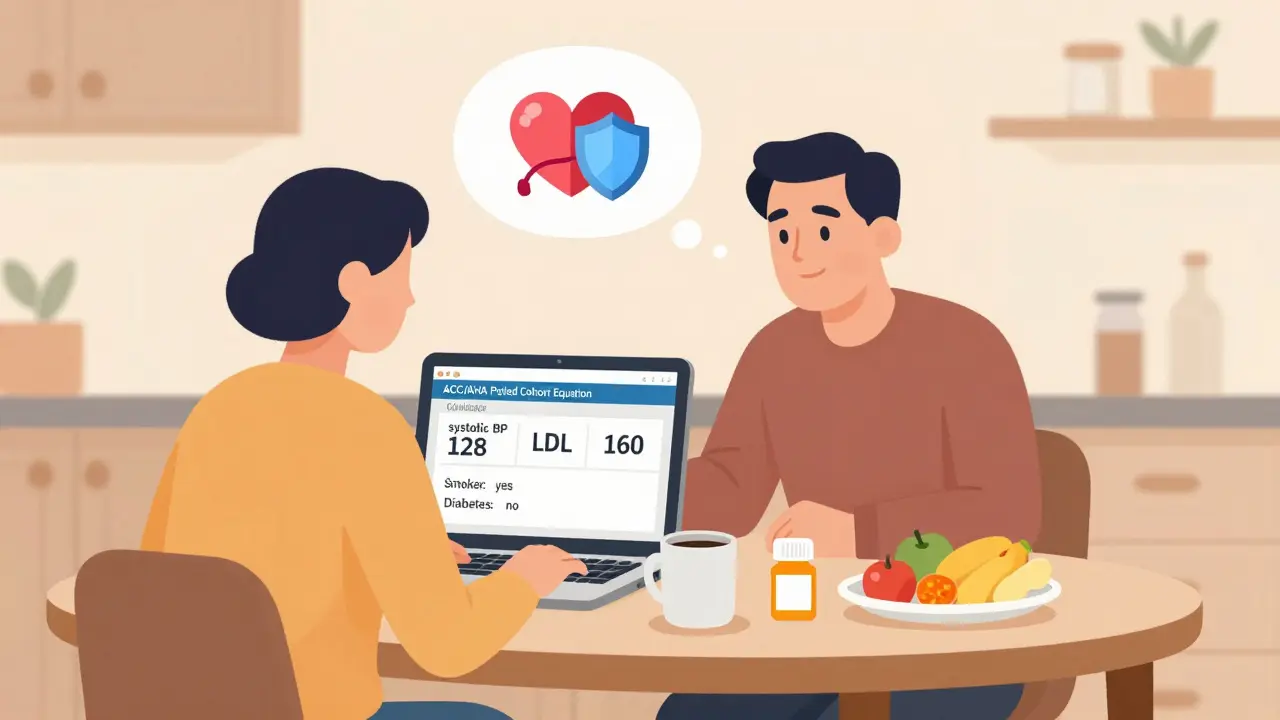
- Adults aged 40-59 with a 10% or higher 10-year risk of heart disease: This is calculated using a tool called the ACC/AHA Pooled Cohort Equation. It looks at your age, sex, race, blood pressure, cholesterol, whether you have diabetes, and if you smoke. If your risk is 10% or higher, and you don’t have a high bleeding risk, your doctor might suggest aspirin - but it’s not automatic.
- People with type 2 diabetes and additional risk factors: The American Diabetes Association still says aspirin can be considered for adults with diabetes over 40 who have other risks like high blood pressure, smoking, or kidney disease. But even here, it’s not for everyone.
- Those with very high coronary artery calcium (CAC) scores: If a CT scan shows heavy calcium buildup in your heart arteries, your risk is much higher. Some specialists may recommend aspirin in this group, even if your overall risk score is borderline.
But here’s the catch: If you have a history of stomach ulcers, are on blood thinners like warfarin or apixaban, drink alcohol regularly, or have kidney or liver disease, aspirin is usually a bad idea. The bleeding risk is too high.
How Doctors Calculate Your Risk - And Why It Matters
Many people think they’re at risk because their dad had a heart attack at 55. That’s important - but it’s not enough. Your personal risk is measured by more than family history.
Your doctor should use the ACC/AHA Pooled Cohort Equation. It’s not magic. It’s a formula built from decades of data. You need to know:
- Your exact systolic blood pressure (not just “it’s a little high”)
- Your total and HDL cholesterol levels
- Whether you have diabetes
- If you smoke - even occasionally
Without this data, any decision about aspirin is guesswork. And guesswork can hurt you.
Most electronic medical records now calculate this automatically. But a 2021 study found only 43% of primary care doctors could correctly calculate it during a test. That means many people are getting advice without the right numbers.
Ask your doctor: “What’s my 10-year heart disease risk?” If they can’t tell you, ask for the calculation. If they say, “You’re fine,” ask them to show you the numbers.
What About Family History?
It’s common to hear: “My mom had a heart attack at 60, so I take aspirin.” But family history alone doesn’t override current guidelines. If you’re 65, have normal cholesterol, no diabetes, don’t smoke, and your blood pressure is under control - your risk is likely low. Aspirin won’t help you much - and it might cause harm.
On the flip side, if your family has early heart disease and you have high LDL cholesterol, high blood pressure, and you smoke - then your risk is high. In that case, aspirin might still make sense - but only after trying statins and lifestyle changes first.
Family history is a red flag - not a prescription.
The Bleeding Risk Is Real - And Often Overlooked
Most people think aspirin is harmless because it’s sold over the counter. But it’s a powerful drug. The most common serious side effect is gastrointestinal bleeding. You might not notice it until you’re weak, dizzy, or passing dark, tarry stools. Sometimes, it leads to emergency surgery.
Other risks include:
- Brain bleeds (hemorrhagic stroke)
- Nosebleeds that won’t stop
- Bleeding in the eyes or urinary tract
- Worsening of ulcers or gastritis
One woman in Sydney told her doctor she’d had three nosebleeds in six months. She’d been taking aspirin daily for 12 years because “it was good for the heart.” After stopping, the nosebleeds stopped. She was fine - no heart problems.
Another man, 68, had two blood transfusions after starting aspirin. He had no heart disease history. His doctor later admitted: “I didn’t check his bleeding risk properly.”
These aren’t rare cases. About 1 in 100 people taking aspirin long-term will have a major bleed.
What Should You Do If You’re Already Taking Aspirin?
If you’re over 60 and taking aspirin daily for prevention - don’t stop suddenly. Talk to your doctor. Stopping abruptly can increase clot risk in the short term.
If you’re under 60 and taking it without a doctor’s advice - stop. And make an appointment. You need to know your real risk level.
If you’re on aspirin because you had a heart attack, stent, or bypass - keep taking it. That’s different. This advice doesn’t apply to you.
The key is not fear - it’s awareness. Aspirin isn’t a vitamin. It’s a medication with real side effects. Just because it’s cheap and old doesn’t mean it’s safe for everyone.
What Replaces Aspirin for Prevention?
The real hero of heart disease prevention today isn’t aspirin. It’s statins. These drugs lower LDL cholesterol - the “bad” kind - by 30-50%. That’s far more effective than aspirin’s 10-15% risk reduction.
Other powerful tools:
- Managing blood pressure (target under 130/80)
- Getting 150 minutes of walking or exercise a week
- Quitting smoking - the single biggest thing you can do
- Eating more vegetables, nuts, whole grains, and less processed food
- Controlling diabetes if you have it
For most people, these steps reduce heart disease risk more than aspirin ever could - and without the bleeding risk.
Final Thoughts: It’s Not About Taking Aspirin - It’s About Knowing Your Risk
Aspirin isn’t the villain. It’s just not the right tool for most people anymore. The medical world has moved on. We now understand heart disease better. We have better drugs. We know how to measure risk accurately.
So if you’re thinking about starting aspirin - don’t. Talk to your doctor first. If you’re already taking it - don’t quit cold turkey. Talk to your doctor. Ask: “Is this still right for me?”
Heart disease prevention isn’t about popping a pill. It’s about knowing your numbers, understanding your risks, and making smart choices - with your doctor, not from the internet or your dad’s advice.
Should I take aspirin every day to prevent a heart attack?
Only if your doctor recommends it based on your individual risk. For most people over 60, the answer is no. For those 40-59 with high heart disease risk and low bleeding risk, it might be considered - but it’s not automatic. Never start aspirin without medical advice.
Is baby aspirin safer than regular aspirin?
Low-dose aspirin (75-100 mg) is the only form recommended for heart prevention. Regular aspirin (325 mg) increases bleeding risk without added benefit. But even low-dose aspirin carries risks. The dose doesn’t make it safe - your health profile does.
Can I take aspirin if I have high blood pressure?
It depends. If your blood pressure is well-controlled (under 130/80), and you’re otherwise at high heart risk, aspirin might be okay. But if your blood pressure is high and uncontrolled, aspirin increases your risk of brain bleeding. Always get your blood pressure checked before considering aspirin.
I have diabetes. Should I take aspirin?
The American Diabetes Association says aspirin can be considered for adults with diabetes over 40 who have other risk factors like smoking, high blood pressure, or kidney disease. But if you’re under 40 or have no other risks, it’s usually not recommended. Talk to your doctor - don’t assume.
What are the signs I’m bleeding because of aspirin?
Watch for: black or tarry stools, vomiting blood or material that looks like coffee grounds, unexplained bruising, nosebleeds that won’t stop, severe headaches, dizziness, or weakness. If you notice any of these, stop aspirin and call your doctor immediately.
I’ve been taking aspirin for years. Can I just stop?
If you’re over 60 and taking aspirin only for prevention (not after a heart event), you can likely stop - but talk to your doctor first. Stopping suddenly isn’t dangerous for most people, but your doctor may want to monitor you. Never stop if you’ve had a heart attack, stent, or bypass without medical advice.
Is aspirin still useful if I’m on a statin?
Statins are far more effective at preventing heart disease than aspirin. If you’re on a statin and your risk is low or moderate, aspirin adds little benefit but still adds bleeding risk. Most doctors won’t recommend both unless you have very high risk and low bleeding risk - and even then, it’s debated.
What if I’m 55 and my dad had a heart attack at 50?
Family history matters - but it’s not enough. You need to know your own cholesterol, blood pressure, whether you smoke, and if you have diabetes. If your 10-year risk is below 10%, aspirin won’t help. If it’s above 10% and you’re healthy otherwise, your doctor might consider it. But lifestyle changes and statins are still the first line of defense.
Diana Dougan
February 1, 2026 AT 10:52soooo... i took aspirin for 15 years bc my dad said it was 'good for the blood' and now i find out i was basically paying the pharma gods to bleed internally? lol. thanks for the update, i guess? my stomach is still mad.
Holly Robin
February 1, 2026 AT 15:55THIS IS A BIG PHARMA COVER-UP. THEY WANT YOU TO THINK ASPIRIN IS DANGEROUS SO YOU’LL BUY THEIR $2000/MONTH 'HEART HEALTH' SUPPLEMENTS THAT ARE JUST SUGAR AND LIES. THEY KNOW ASPIRIN KILLS CLOTS - AND THEY’RE AFRAID OF A $0.05 DRUG THAT WORKS TOO WELL. WATCH YOURSELF, PEOPLE. THEY’RE COMING FOR YOUR MEDS NEXT.
Shubham Dixit
February 3, 2026 AT 09:01In India, we have been using aspirin for generations - not because of some American guideline, but because it works. My grandfather took it daily until 89, never had a heart issue. Your statistics are based on Western lifestyles - processed food, obesity, laziness. Here, people walk, eat lentils, and don’t sit in chairs all day. Maybe the problem isn’t aspirin - it’s your diet. Stop blaming the pill and fix your life first.
KATHRYN JOHNSON
February 4, 2026 AT 20:12Aspirin is not a vitamin. It is a nonsteroidal anti-inflammatory drug with documented gastrointestinal and cerebral hemorrhagic risks. The USPSTF 2022 guidelines are evidence-based and align with global consensus. Self-prescribing medication without risk stratification is medically irresponsible.
Gaurav Meena
February 5, 2026 AT 21:58Hey everyone, I’m a nurse in Delhi and I’ve seen both sides. I’ve had patients on aspirin who bled out - and I’ve had others who had heart attacks because they stopped cold turkey. The key? Talk to your doc. Get your numbers. Don’t listen to strangers online. And if you’re diabetic or have high BP? Don’t guess. Get tested. You’re worth more than a pill. 💪❤️
Katie and Nathan Milburn
February 6, 2026 AT 10:46It's interesting how the medical establishment shifts its stance so dramatically over time. One decade: aspirin is miraculous. The next: it's dangerous. One wonders what the next decade will reveal about statins, or even vaccines. The only constant is uncertainty.
Claire Wiltshire
February 8, 2026 AT 05:40Thank you for this clear, well-researched post. I’ve had patients come in convinced they need aspirin because their cousin’s friend’s uncle took it and lived to 95. The truth is, we need to move away from anecdotal advice and toward personalized risk assessment. If you’re unsure, ask for your ACC/AHA score - it’s not hard to get, and it changes everything.
Darren Gormley
February 8, 2026 AT 20:25Aspirin is fine. The real killer? Sugar. And the fact that doctors don’t tell you that. 😒 Also, why are we still using 'low-dose' when 81mg is just a placebo dose? They’re scared to say the real answer: lifestyle fixes everything. But hey, at least we’ve got a new pill to sell, right? 🤷♂️
Sheila Garfield
February 9, 2026 AT 23:58I’m 52 and was on aspirin for 5 years because my doctor said 'why not?' Then I got a stomach bleed. Stopped it. No more issues. I walk 6k steps a day, eat mostly plants, and my BP is perfect. Turns out, aspirin wasn’t the hero - my daily walk was. Just saying.
Shawn Peck
February 10, 2026 AT 13:14MY DAD TOOK ASPIRIN EVERY DAY AND LIVED TO 92. YOU PEOPLE ARE OVERCOMPlicating EVERYTHING. IT’S JUST A PILLS. IF YOU’RE AFRAID OF BLEEDING, DON’T CUT YOURSELF. STOP OVERTHINKING. ASPIRIN = GOOD. PROOF? MY DAD.
Niamh Trihy
February 11, 2026 AT 08:44I’ve been a GP for 20 years. I stopped recommending aspirin for primary prevention in 2020. The data was overwhelming. The hardest part? Convincing patients who’ve been taking it for decades. They don’t want to hear that their habit might be hurting them. But it’s not about being right - it’s about being safe.
Sarah Blevins
February 12, 2026 AT 07:27The 1 in 100 bleeding risk statistic is misleading. It doesn’t account for concurrent anticoagulant use, NSAID consumption, or alcohol intake - all of which dramatically increase baseline risk. Population-level guidelines fail to capture individual polypharmacy profiles. Caution is warranted, but blanket recommendations are inadequate.
Jason Xin
February 14, 2026 AT 03:44My mom took aspirin for 30 years. She never had a heart attack. But she had three GI bleeds. One required a transfusion. She’s fine now. But she stopped. And honestly? I’m glad. Sometimes the thing you think is helping you… is quietly killing you. Just… think before you pop it.