
Acromegaly: Understanding Excess Growth Hormone and Real Treatment Options
 Jan, 12 2026
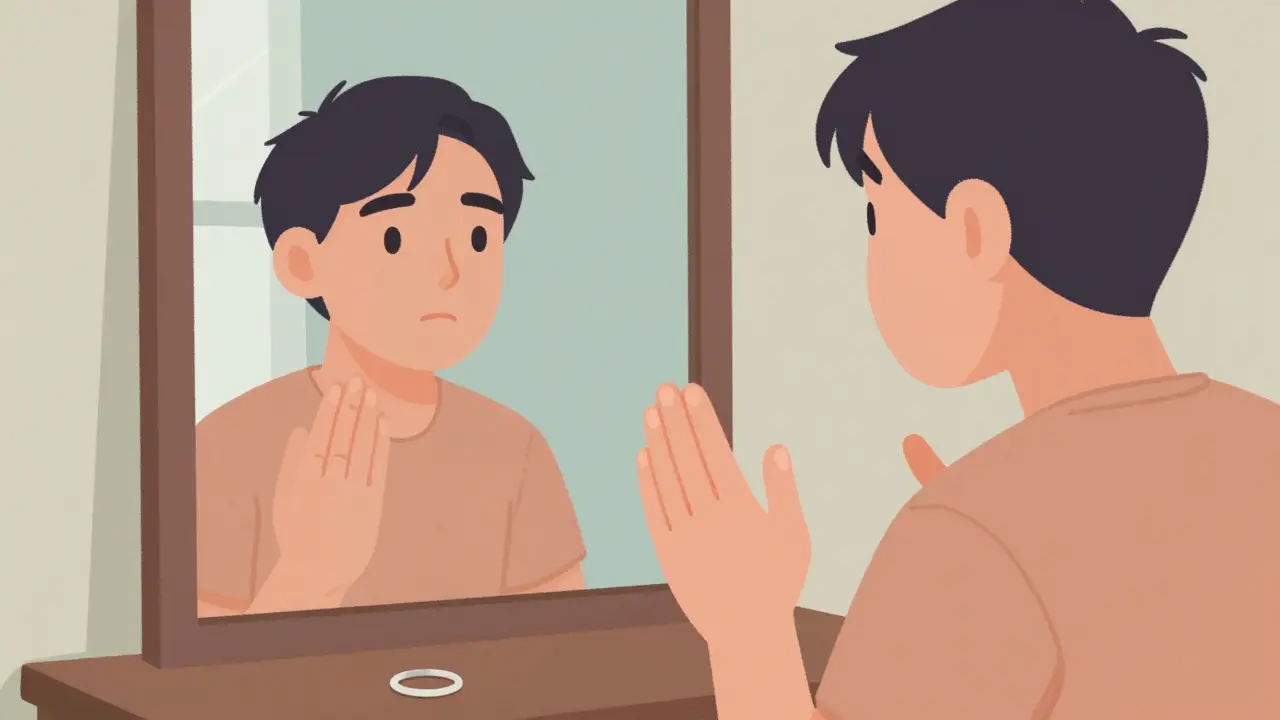
Acromegaly isn’t something you wake up with overnight. It creeps in slowly - your rings don’t fit anymore, your shoes feel tighter, your jaw seems to have grown out of nowhere. By the time you notice, it’s often been years. This rare condition, affecting about 60 in every million people, happens when your body makes too much growth hormone after your bones have stopped growing. That means no more height increase - but your hands, feet, face, and organs keep changing. It’s not gigantism. That’s the childhood version. Acromegaly is what happens when the same hormone goes unchecked in adults.
What Causes Acromegaly?
In 95% of cases, the culprit is a small, noncancerous tumor on the pituitary gland - a pea-sized organ at the base of your brain. This tumor, called a pituitary adenoma, starts pumping out extra growth hormone. Sometimes it’s tiny - under 10mm - and called a microadenoma. Other times, it’s larger, over 10mm, known as a macroadenoma. Larger tumors are more likely to press on nearby nerves, causing headaches or vision problems. That’s why doctors always order an MRI after blood tests suggest acromegaly.How Do You Know You Have It?
The symptoms don’t show up all at once. They build up over years. Most people don’t realize what’s happening until someone else points it out. You might notice your glove size has gone up, or your jaw looks more prominent in photos. Your voice might have gotten deeper. Skin gets thicker, oilier. Feet swell. Joints ache. Many patients develop carpal tunnel syndrome from tissue swelling around the wrist. About 47% of people with acromegaly have it. It’s not just physical. High growth hormone messes with your metabolism. One in three people develop type 2 diabetes. Blood pressure rises in nearly half. Heart muscle thickens - a condition called myocardial hypertrophy - which can lead to heart failure if left alone. Sleep apnea hits 60% of patients because tissues in the throat thicken and block airflow at night. Women may get irregular periods. Men often lose libido or struggle with erectile dysfunction. The real kicker? Diagnosis takes years. On average, it takes 7 to 10 years from first symptoms to confirmation. One patient on a support forum said it took 11 doctors and seven years. That’s not unusual. General practitioners don’t see this often. Symptoms get blamed on aging, arthritis, or weight gain. By the time an endocrinologist sees you, the damage may already be done.How Is It Diagnosed?
Two blood tests are the starting point. First, an IGF-1 level. This protein is made by the liver in response to growth hormone. It stays steady through the day, unlike growth hormone itself, which spikes and drops. So IGF-1 is the best single marker. But it must be checked against your age - normal ranges change as you get older. The second test is the oral glucose tolerance test. Normally, when you drink a sugary solution, your growth hormone levels drop. In acromegaly, they don’t. If your GH stays above 1 μg/L after the sugar drink, that’s a strong sign. If those tests are positive, an MRI of your brain follows. It shows if there’s a tumor, how big it is, and whether it’s pushing on your optic nerves. That’s critical - if vision is at risk, treatment can’t wait.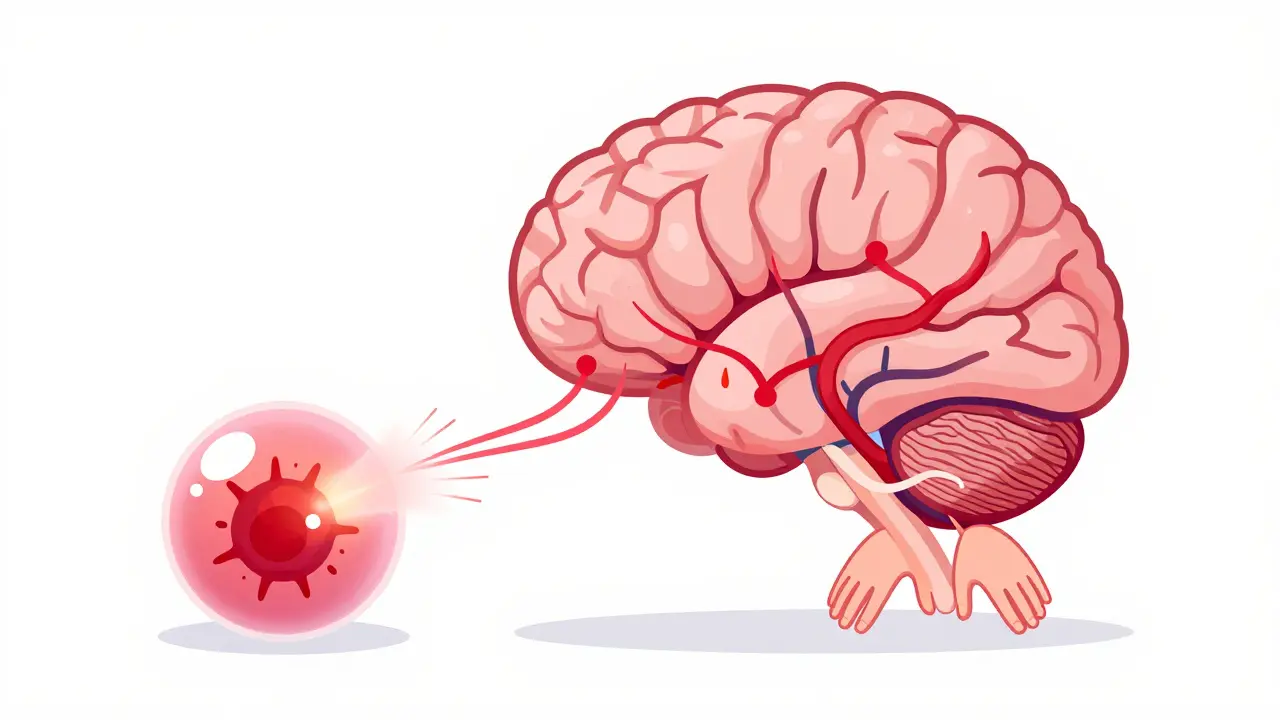
What Are the Treatment Options?
There are three main paths: surgery, medicine, and radiation. The goal isn’t just to feel better - it’s to bring growth hormone and IGF-1 back to normal. Studies show that when levels stay within normal range, life expectancy returns to nearly normal. But if they don’t, your risk of early death from heart disease or stroke doubles.Surgery: The First Step
For most people, surgery is the best first move. The procedure - transsphenoidal surgery - means the surgeon goes through the nose or upper lip to reach the pituitary. No big cuts. No scalp incisions. Recovery takes two to four weeks. Success depends on tumor size. If it’s small (microadenoma), remission happens in 80-90% of cases. For larger tumors, it drops to 40-60%. Even if the tumor isn’t fully removed, surgery often shrinks it enough to make medicine more effective.Medications: Controlling the Hormone
If surgery doesn’t work, or isn’t an option, drugs step in. There are three types:- Somatostatin analogs - octreotide and lanreotide. These block the tumor from releasing growth hormone. Given as monthly injections. Cost: $6,200 to $7,800 per month in the U.S. Newer versions like Signifor LAR require only quarterly shots, which helps with adherence.
- Dopamine agonists - cabergoline. Less effective than somatostatin analogs, but cheaper - around $150-$300 a month. Works best in patients who also produce prolactin.
- Growth hormone receptor antagonist - pegvisomant. This doesn’t lower growth hormone levels. Instead, it blocks the hormone from acting on your body. It’s very effective at normalizing IGF-1. But it’s expensive - $12,000 to $15,000 a month. Used when other drugs fail.
Radiation: Last Resort
Radiation is usually only used if surgery and drugs don’t control the tumor. It can be delivered in small daily doses over weeks, or as one high-dose session (stereotactic radiosurgery). It takes years to work - often 5 to 10 - and it carries a big risk: 30-50% of patients end up with hypopituitarism. That means your pituitary stops making other hormones too - cortisol, thyroid hormone, sex hormones. You’ll need lifelong replacement therapy.What Happens After Treatment?
Even if your hormone levels normalize, the journey isn’t over. Some changes are permanent. Enlarged hands and feet won’t shrink back to their original size. Joint damage from years of inflammation might still cause pain. Many patients report fatigue even after successful treatment - sometimes for years. Regular monitoring is non-negotiable. You need IGF-1 blood tests every 3 to 6 months. Blood pressure, glucose, and heart function checks too. If you had radiation, you’ll need annual hormone panels to catch hypopituitarism early. Missing one test can mean missing a warning sign.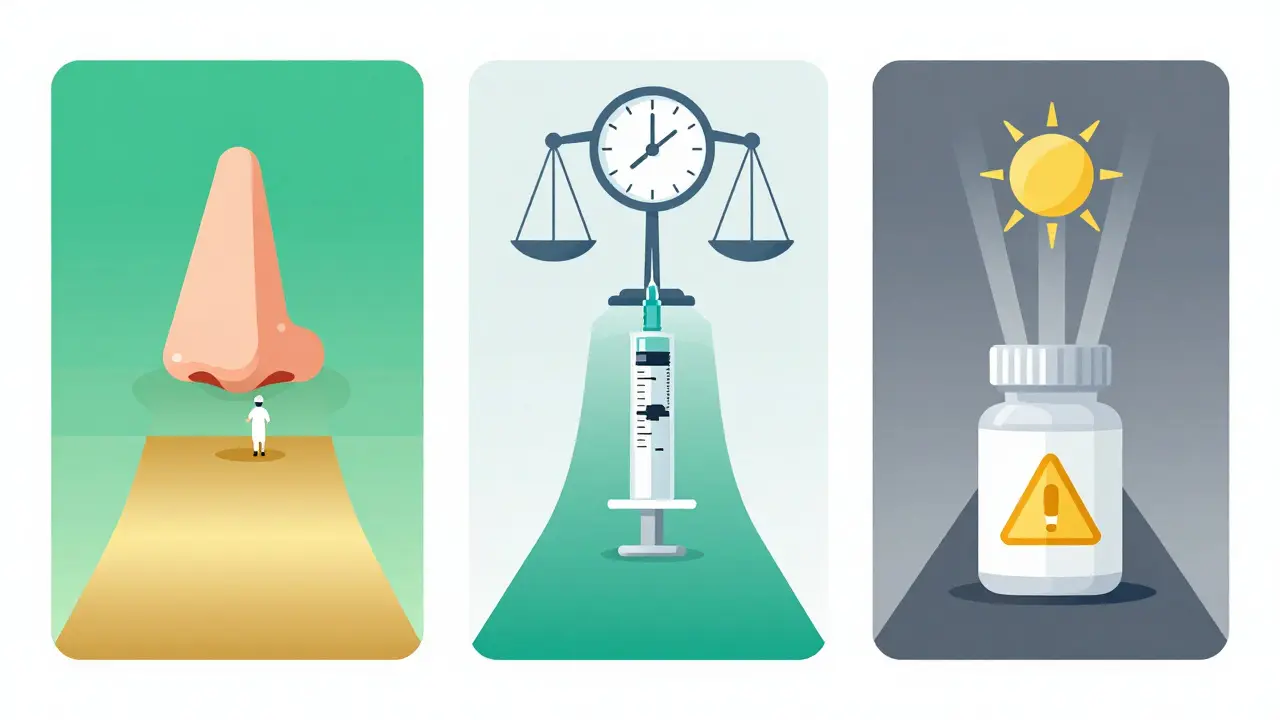
Rebekah Cobbson
January 13, 2026 AT 06:49Just wanted to say thank you for writing this. I was diagnosed last year after 8 years of being told it was just aging. Your breakdown of the tests and treatments is the clearest I’ve ever seen. I’m on lanreotide now and honestly? It’s life-changing. Not perfect, but better.
Keep sharing these things. People need to know they’re not alone.
Sonal Guha
January 13, 2026 AT 22:25Acromegaly is just another way the system fails people. 7 years to diagnose? That’s not medical negligence its systemic neglect. Insurance won’t cover the drugs so people die slow. Endocrinologists are overworked. You think this is rare? Its just invisible until its too late
TiM Vince
January 15, 2026 AT 14:27As someone who grew up in rural Appalachia I never even heard of this until my cousin got diagnosed. We thought her hands swelling was just water retention. No one in our town had an endocrinologist. Had to drive 3 hours twice a month. The cost alone broke us. I’m glad you mentioned high-volume centers. That’s the real divide. Access isn’t just about money its about geography.
Jay Powers
January 16, 2026 AT 11:41One thing nobody talks about is how the facial changes mess with your identity. I didn’t recognize myself in the mirror for years. My wife said I looked like a different person. Not worse just different. Like my face had its own slow rebellion. The surgery helped but the emotional stuff? That took longer. Therapy helped more than I expected.
Also the fatigue. People think once the hormone’s under control you bounce back. Nope. My body’s still catching up. Four years later I still nap after lunch. And I’m okay with that now.
Lawrence Jung
January 16, 2026 AT 21:43So you’re telling me we spend 15k a month on a drug that blocks the hormone but doesn’t touch the tumor? That’s not treatment thats damage control. The real fix is removing the source. Why aren’t we funding better surgical tech instead of patching the problem with billionaire pharmaceuticals? This whole system is a pyramid scheme built on chronic illness
Alice Elanora Shepherd
January 18, 2026 AT 17:43Just to clarify a few points: IGF-1 levels must be interpreted in the context of age, sex, and BMI-many general practitioners overlook this. Also, the glucose tolerance test is not always reliable in patients with diabetes, which is common in acromegaly. In such cases, random GH levels combined with IGF-1 are sometimes used as alternatives. And yes-radiation does carry a high risk of hypopituitarism; I’ve seen patients who needed five hormone replacements after radiosurgery. Always discuss long-term management before choosing it.
Sona Chandra
January 19, 2026 AT 22:11Why is this even a thing? Why does your body just start growing like a monster? This is science fiction turned real. Someone needs to stop this. It’s not natural. It’s like your cells got hacked. And why is the treatment so expensive? Are they selling your body parts? I’m furious just reading this
Cassie Widders
January 21, 2026 AT 12:59My dad had this. Didn’t know until he couldn’t button his shirt anymore. Took three years to get diagnosed. He didn’t complain. Just got quieter. After surgery he could finally sleep through the night. But his voice never went back to normal. Still sounds like gravel in a tin can. I miss the old sound.
Konika Choudhury
January 22, 2026 AT 22:24Why are Americans spending so much on this? In India we have generics for half the price. Why does the US let pharma charge 10x? This is not healthcare its capitalism on life support. You people need to wake up
Darryl Perry
January 23, 2026 AT 22:24Medical literature states that 95% of cases are pituitary adenomas. Therefore, the remaining 5% are not. What are they? You omitted that. Incomplete data. Unprofessional.
Windie Wilson
January 24, 2026 AT 00:01So let me get this straight. You grow a tumor in your brain, it makes you look like a fantasy character, and then you pay $12,000 a month to pretend it’s not happening? Sounds like a Marvel movie where the villain wins. I’m just here for the tragic beauty of it all. 😔
Daniel Pate
January 25, 2026 AT 22:31It’s fascinating how evolution didn’t account for this. Growth hormone was meant to build us up during development, not keep us in a state of slow, uncontrolled expansion. We’re not designed to outgrow our own biology. This condition is a biological glitch-a failure of feedback loops that should’ve been perfected over millions of years. It makes you wonder how many other silent dysfunctions are quietly reshaping human bodies right now.
Eileen Reilly
January 26, 2026 AT 11:43so i had this weird thing where my feet kept getting bigger and i thought i was just gaining weight? like i bought new shoes 3 times in a year and still they felt tight?? and then my jaw started hurting?? i went to the doc and they were like maybe its arthritis?? i was like bro i’m 32 not 72. then i found this post and i think i might have this?? i need to go get tested but im scared. what if its too late??
Monica Puglia
January 27, 2026 AT 16:54Thank you for this ❤️ I’m 2 years post-op and still learning how to live with the aftereffects. The joint pain is real. The fatigue is real. But I’m alive. And I’m not alone. If you’re reading this and thinking you’re imagining things? You’re not. Get the IGF-1 test. Please. Your future self will thank you. 💪
Cecelia Alta
January 28, 2026 AT 01:11Okay but let’s be real-this whole thing is just a symptom of our modern world. We’re eating processed food, sitting all day, stressed out 24/7, and our bodies are like ‘alright fine I’ll just grow extra tissue to cope.’ The tumor? That’s just the body’s way of screaming. And then we give it a $15,000 pill to shut up instead of asking why it started screaming in the first place. We treat symptoms like they’re the enemy, not signals. And then we wonder why people are sicker than ever. It’s not the hormone. It’s the environment. It’s the system. It’s the fact that we’ve forgotten how to listen to our own bodies until they break down completely. And yeah, the drugs are expensive. But the real cost? The years lost. The relationships strained. The identity erased. That’s what nobody wants to talk about.